

How to Build a Realistic Travel Budget for 2026

The single most common reason travel plans collapse is a budget built on optimism rather than data. Before you book anything, you need a destination-specific cost baseline—and in 2026, those numbers vary dramatically depending on where you're headed.
Budget travelers can live well in Southeast Asia on $35–$60 per person per day, covering accommodation, food, local transport, and entry fees. India stretches even further, with comfortable guesthouse stays and three meals for as little as $25–$50 daily. Move to Western Europe, and that same lifestyle costs $150–$250 per day in France, Germany, or Italy. At the luxury end of the spectrum, a Maldives overwater villa experience runs $500–$2,000+ per person per day before excursions.
Breaking your total budget into categories prevents overspending in one area from sabotaging another. For international trips, flights typically consume 25–40% of the total budget—the largest single line item for most travelers. Accommodation accounts for 20–30%, food 15–25%, activities and entrance fees 10–15%, and local transport 5–10%. Always build in a 10–15% contingency buffer; unexpected costs are not the exception on international travel, they are the rule.
On currency, the difference between smart and careless money management can represent hundreds of dollars on a two-week trip. Airport currency exchange counters routinely offer rates 10–15% worse than the mid-market benchmark—avoid them entirely. Wise (formerly TransferWise) delivers rates just 0.4–1.5% below mid-market, compared to 3–7% at most high-street banks. For ATM withdrawals abroad, the Charles Schwab High Yield Investor Checking account remains the gold standard in 2026, refunding all ATM fees worldwide with no foreign transaction fees. When an ATM abroad offers to convert your withdrawal into your home currency on the spot—known as Dynamic Currency Conversion—always decline and choose to pay in the local currency. That convenience typically costs you an additional 3–7% on every transaction.
Travel insurance is a non-negotiable budget line, not an optional extra. A two-week policy with World Nomads Explorer Plan costs $100–$180 and includes medical evacuation coverage up to $500,000—critical if you plan any remote hiking, diving, or adventure activities. For long-term travelers, SafetyWing's subscription model at $45.08 per four weeks offers flexible month-to-month coverage that can be purchased even after departure. Budget-conscious travelers with Chase Sapphire Reserve or Amex Platinum cards already carry meaningful trip cancellation and interruption coverage—but only when the trip is paid on that card, and medical evacuation is notably absent from the Amex Platinum policy.
Flight Booking Strategy: How to Find the Cheapest Fares in 2026

Booking the right flight at the right time is part science, part patience, and increasingly, part technology. The data patterns from 2024 and 2025 have clarified the optimal windows: for international flights, the sweet spot is 2–6 months in advance. Transatlantic routes between the US and Europe tend to yield the best prices when booked 3–5 months out, with Tuesday and Wednesday departures consistently cheaper than weekend travel. For domestic US flights, aim for 1–3 months ahead, with the six-week mark frequently producing strong deals. Last-minute bookings—within two weeks of departure—typically run 20–40% above average pricing, with rare exceptions during airline seat-clearing sales.
For peak travel periods, add four to eight weeks to all of these windows. June through August and December 20 through January 5 are the two stretches where ignoring the booking window calculus costs the most money.
The modern flight search stack has become genuinely powerful. Google Flights remains the best tool for visualizing price grids across an entire month, and its 'Explore' map feature is unmatched for open-destination browsing. Skyscanner captures budget carriers that Google Flights occasionally misses, including full Ryanair inventory. Hopper's AI price prediction and 'Watch' feature alerts you when fares hit your target price. For mistake fares and flash sales, a Going.com (formerly Scott's Cheap Flights) Premium subscription at roughly $49 per year has consistently surfaced economy fares 40–90% below market—the kind of deals that are simply not findable through standard searches.
For multi-city itineraries, Kiwi.com's virtual interlining function is worth knowing. It books separate airlines as a single itinerary, unlocking routing combinations no single airline would offer. Open-jaw bookings—flying into one city and departing from a different one—deserve more attention than they get. Flying into London and departing from Barcelona, for instance, often costs the same as or less than a standard round-trip while eliminating the need to backtrack, effectively adding a second destination for free.
Frequent flyer programs remain valuable even for occasional travelers—enrollment is free and miles accumulate across all operated flights. Flying Blue, the Air France/KLM program, runs monthly promo awards that have recently included transatlantic economy round-trips from the US for 15,000–25,000 miles. Singapore KrisFlyer miles carry some of the highest redemption values available for premium cabin international travel.
On budget carriers, approach fare comparisons with full costs in mind. A Spirit Airlines base fare of $39 can become $120+ once carry-on and seat selection fees are added. Ryanair's cabin bag fee alone ranges from €6 to €24 depending on when you add it. Many travel credit cards, including the Delta Amex and United Explorer card, include free checked bags—saving $60–$140 round-trip on US domestic routes—which can make the annual fee pay for itself on a single itinerary.
For travelers who require private or chartered air solutions, or ground transfers to and from major hubs, exploring [luxury ground transportation options](/services/) ensures seamless connections between flights and final destinations without the friction of shared shuttles or unreliable rideshares.
Accommodation Strategy: From Hostels to Luxury Hotels

Where you sleep shapes the entire texture of a trip—not just your comfort, but your safety, social experience, and daily logistics. The right accommodation strategy in 2026 is less about picking a single platform and more about matching the right option to each destination and travel style.
Booking.com's Genius loyalty tier, unlocked after just five stays, delivers 10–25% discounts across its inventory of 28 million-plus listings worldwide—making it the most practical starting point for most travelers. Airbnb continues to dominate the apartment rental market, though the platform's cleaning fees have become a significant pain point; always calculate the total per-night cost including all fees before comparing with hotel options. VRBO handles whole-home rentals with a fee structure that often works out cheaper than Airbnb for families booking week-long stays.
For budget travelers, the hostel market in 2026 offers far more than it once did. Dorm beds in Southeast Asia start at $6–$18 per night; in Western Europe expect $25–$55 for quality properties. The best hostels function as genuine social hubs with private rooms available for couples, often at prices well below local hotels. Hostelworld remains the dominant booking platform for this segment.
Mid-range hotels in Japan—the business hotel category, including Toyoko Inn and Dormy Inn chains—offer exceptional value at $80–$150 per night, typically including private bathrooms, laundry facilities, and sometimes breakfast. Spain and Portugal have seen accommodation prices rise in popular cities following post-pandemic tourism surges; budget $100–$180 per night for a decent mid-range hotel in Barcelona, Lisbon, or Seville in 2025–2026.
Several hacks consistently improve value across booking platforms. Book fully refundable rates initially, then monitor prices and rebook if they drop—Booking.com's free cancellation policies make this low-risk and worthwhile. Calling the hotel directly after finding a rate online frequently results in the property matching or beating the OTA price, often with added value like free breakfast or a room upgrade; hotels save 15–25% in OTA commissions when you book direct, giving them real room to negotiate. Costco Travel, underused by most independent travelers, consistently delivers 15–20% below OTA prices on resort packages for Hawaii, Mexico, and the Caribbean.
For longer trips or unconventional budgets, Trusted Housesitters ($129/year membership) allows you to stay for free in private homes globally in exchange for pet care—a legitimate strategy for extended travel that eliminates accommodation costs entirely. Workaway and Worldpackers offer similar models through work exchange: four to five hours of daily work traded for accommodation and meals.
Travelers planning extended stays in villa or resort destinations should also explore [VRBO vacation rental options](/services/) for whole-home privacy, kitchen access, and the kind of space that transforms a one-week trip into a genuine retreat rather than a hotel stay.
Plan this trip
Compare Car Rentals
Compare 500+ suppliers — Hertz, Enterprise, Sixt & more.
Find Cars →Vacation Rentals
Entire homes and condos — more space, more privacy.
Browse Rentals →Hotels in The Ultimate How to Plan Your Perfect Trip in
Top-rated hotels with free cancellation. Best price guaranteed.
Search Hotels →Visas, Entry Requirements, and Travel Documentation for 2026
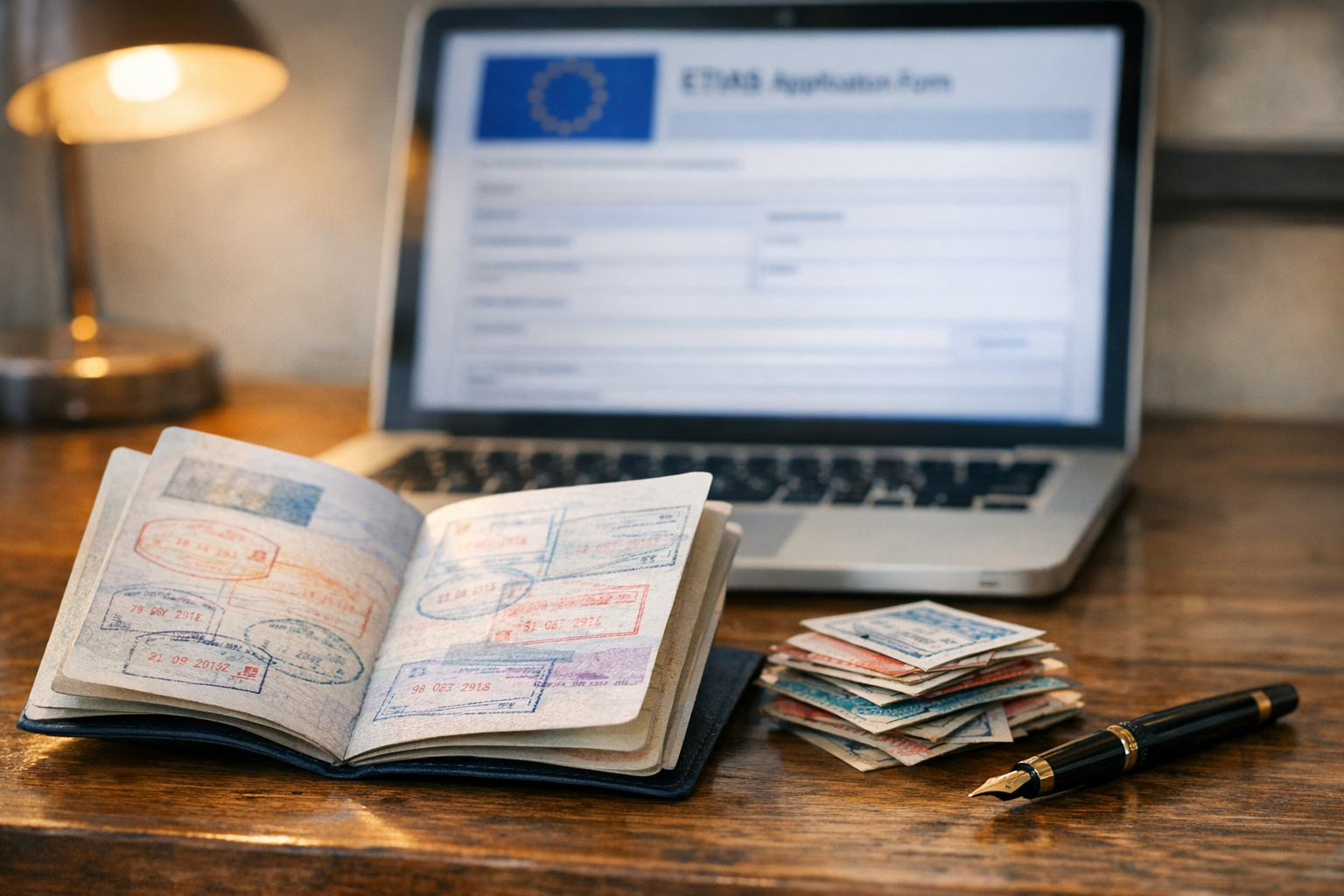
Entry documentation errors are among the most expensive and disruptive mistakes a traveler can make—and 2026 has introduced several new requirements that catch even experienced travelers off guard.
The European Travel Information and Authorization System (ETIAS) is the most significant change affecting travelers to Europe. Originally slated for 2025, the full rollout has been pushed to 2026. Once operational, ETIAS will be required for 60-plus nationalities currently entering the Schengen Zone visa-free—including US, Canadian, UK, Australian, and New Zealand passport holders. The application is completed online only, costs €7, and is valid for three years or until passport expiry. It is not a visa; it functions as a pre-travel authorization identical in concept to the US ESTA. Expect processing times between 10 minutes and four days, though most applications are expected to clear within hours.
The UK Electronic Travel Authorisation (ETA) is already fully operational. EU citizens, Americans, Canadians, and Australians—all previously entering the UK without any pre-authorization—now need to apply before travel. Cost is £10 per person, valid for two years with unlimited entries up to six months per visit. Apply via the UK Home Office app or official government website. The US ESTA now costs $21 per application following a 2025 increase from the previous $14 rate; apply only at esta.cbp.dhs.gov—dozens of third-party sites charge $70–$90 for the same application.
Japan has expanded its tourism tax to additional municipalities in 2025, with the ¥1,000 per night charge (approximately $6.70) now applied at accommodation upon check-in. More significantly for hikers, Mount Fuji's Yoshida Trail gate now closes between 4pm and 5am, and a ¥2,000 entry fee (approximately $13.30) has been introduced at the fifth station—measures implemented to manage overcrowding that had become dangerous. Thailand has extended visa-free entry for 93 nationalities from 30 days to 60 days, effective 2024 and continuing through 2026—a genuinely meaningful change for travelers planning extended Southeast Asian itineraries.
Passport validity rules catch travelers at check-in more often than at immigration. Most countries require six months of validity beyond your intended departure date from their territory, and airlines enforce this rule even in cases where the destination country technically requires less. The US passport renewal backlog has stabilized in 2025: routine renewal takes six to eight weeks; expedited service costs $60 extra and takes two to three weeks. If your passport has fewer than twelve months remaining before a major international trip, renew now.
The Schengen Zone operates as a single unit for the 90-in-180-days rule. Spending a week in France, two weeks in Italy, and a month in Spain within any six-month window all count against the same 90-day allowance. This catches travelers who think of Schengen countries as independent destinations rather than a unified travel area.
For travelers managing multiple destinations, [organized itinerary planning services](/services/) can coordinate visa timelines, entry requirements, and inter-destination logistics across complex multi-country routes.
The Art of Packing: Carry-On Only and the Right Gear for 2026
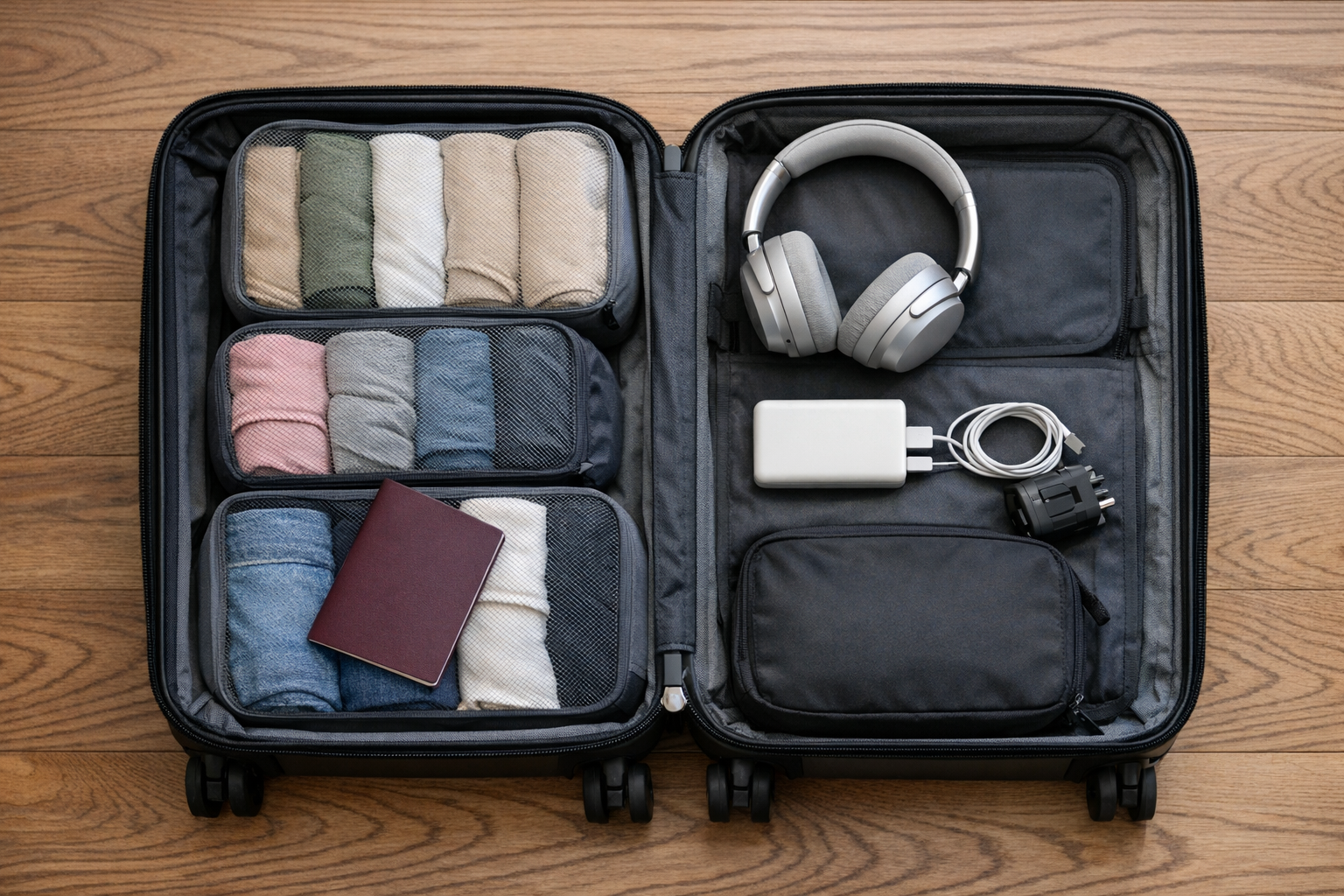
The traveler who masters carry-on-only travel moves through airports, trains, and cobblestone streets at a fundamentally different pace than one dragging checked luggage. The system works—even for trips lasting two weeks—when you follow a structured packing formula and choose the right bag.
The 1-2-3-4-5-6 rule is the most reliable framework for carry-on travel: one hat, two pairs of shoes, three bottoms, four tops, five pairs of socks, and six pairs of underwear. This covers fourteen days when combined with a mid-trip laundry wash—available at most hostels, laundromats, and hotels for $5–$15. The key is choosing fabrics that travel well: merino wool tops resist odor and wrinkle, synthetic base layers dry overnight when hand-washed, and one pair of smart-casual shoes that bridges both walking and evening use.
For bags, the Away Carry-On ($295) fits the 22×14×9-inch standard that most airlines accept, includes a TSA-approved USB charging battery, and has proven durable enough to withstand years of regular travel. The Osprey Farpoint 40L ($160) is the most practical travel backpack in its class: the internal frame makes it comfortable for walking distances that would destroy a duffel bag, and it fits within carry-on dimensions for most carriers. Budget-focused travelers should note Ryanair's notoriously strict cabin bag dimensions (40x20x25cm for the personal item, 10x20x40cm for priority boarding bag) before buying any luggage intended for European budget carrier travel.
Packing cubes are not optional for carry-on travel—they're the infrastructure that makes it work. Eagle Creek Pack-It cubes are the most durable on the market; compression cubes from Gonex or Bagail reduce packed volume by 40–60% and cost $15–$25. Rolling soft items rather than folding them reduces wrinkles and recovers meaningful space.
The 2026 tech packing list has become fairly standardized. A universal power adapter covering 150-plus countries (Anker PowerPort PD at $35 handles this well) and a portable power bank are both essential—the power bank must travel in your carry-on, not checked luggage, per IATA regulations governing lithium batteries. For destinations including China, or for security on public WiFi networks globally, a VPN subscription (ExpressVPN at $8.32/month or NordVPN at $3.99/month on annual plans) is increasingly standard. Download Google Maps offline areas for each destination before departure; the Maps.me app works well as a backup. Google Translate's camera translation feature—which works offline when language packs are downloaded—has become indispensable for navigating menus and signage in non-Latin script countries.
Document management deserves the same rigor as physical packing. Carry physical copies of your passport photo page, any visa, insurance policy, and accommodation confirmations stored separately from your originals. Back up the same documents digitally to a Google Drive or Dropbox folder shared with a trusted contact at home. Load TripIt or Wanderlog on your phone for itinerary management, XE Currency for real-time exchange rates, and Rome2Rio for comparing transport options between any two points on earth.
Plan this trip
Compare Car Rentals
Compare 500+ suppliers — Hertz, Enterprise, Sixt & more.
Find Cars →Vacation Rentals
Entire homes and condos — more space, more privacy.
Browse Rentals →Hotels in The Ultimate How to Plan Your Perfect Trip in
Top-rated hotels with free cancellation. Best price guaranteed.
Search Hotels →When to Go: Shoulder Seasons, Crowd Calendars, and Timing Your Trip

Choosing when to travel matters as much as choosing where. The difference between visiting Paris in July versus October is not simply a matter of weather—it's 30–40% lower crowds, hotel prices dropping from €220+ to roughly €150 per night, and an entirely different experience of the city. Shoulder season travel in 2026 is not a compromise; for most destinations, it delivers a superior trip at a meaningfully lower cost.
In Europe, April through May and September through October represent the sweet spots. Italy in October avoids both the brutal 40°C summer heat and the cruise ship crowds that clog coastal towns from May through August. Venice in November—flood season risk aside—is the closest thing to the pre-tourism-boom version of the city that still exists. Rome's major sites have shorter queues, restaurants aren't fully booked weeks out, and accommodation prices reflect the lower demand.
Japan's cherry blossom season in late March through mid-April is genuinely spectacular—and it's also the most crowded and expensive window in the entire year. Accommodations in Kyoto book out six months or more in advance, and prices in popular areas spike 40–60% above shoulder season rates. The lesser-known alternative is November's momiji (autumn foliage) season: the color palette of Japanese maples turning red and orange across temple gardens rivals cherry blossoms in beauty, with noticeably fewer international tourists. Both Golden Week (late April through early May) and Obon (mid-August) are domestic Japanese holiday periods that pack trains and ryokans beyond comfortable capacity—avoid these windows unless you've planned around them.
Southeast Asia's weather calendar is worth understanding before booking. Thailand's high season runs November through April, when the Gulf and Andaman coasts are reliably dry. The May through October monsoon period brings cheaper accommodation and fewer crowds, but some islands become inaccessible and diving visibility drops significantly. For travelers flexible on exact dates, shoulder season in popular Asian destinations can reduce accommodation costs by 25–40% while delivering the same experiences.
The Caribbean peaks from mid-December through April, when North American winter drives demand and prices to their annual high. Hurricane season runs June through November, with the statistical peak in September; travel insurance with comprehensive cancellation coverage is essential for anyone booking Caribbean travel between August and October. The May through early June window—after the northern spring break rush but before hurricane season intensifies—frequently offers the best value for Caribbean resort stays.
Building your travel timing around local events cuts both ways. Some festivals—Holi in India, Carnival in Rio, Oktoberfest in Munich—are worth the premium pricing and advance planning required. Others, like local public holidays in your destination country, create transport chaos, closed attractions, and price spikes with no corresponding benefit for international visitors. Research the national holiday calendar for every country on your itinerary as part of your planning process.
For travelers building complex multi-destination itineraries where timing across several countries needs to align with visa windows, flight availability, and seasonal conditions simultaneously, working with [professional travel planning services](/services/) eliminates the coordination overhead and reduces the risk of costly scheduling conflicts.
Frequently Asked Questions
For most international trips, begin planning six to nine months in advance. Flights to popular destinations should be booked two to six months out depending on the route—transatlantic fares are typically cheapest three to five months before departure. Accommodation in high-demand destinations like Kyoto during cherry blossom season or European cities in summer often requires reservations six or more months ahead. Visa processing times and passport renewals add additional lead time: the US passport expedited service currently takes two to three weeks, while some country visas require applications two to four weeks before arrival.
ETIAS (European Travel Information and Authorization System) is a pre-travel authorization required for nationals of 60-plus countries currently entering the Schengen Zone visa-free—including Americans, Canadians, Australians, and UK citizens. It is not a visa; it functions like the US ESTA. The cost is €7, it's valid for three years, and applications are submitted online only. The full rollout is expected in early-to-mid 2026. Until ETIAS is live, the existing visa-free access arrangements remain in place, but travelers planning European trips in 2026 should monitor the launch date and build the application step into their pre-departure checklist.
The Charles Schwab High Yield Investor Checking account refunds all ATM fees worldwide and charges no foreign transaction fees, making it the best debit card for international travel in 2026. For sending money or paying in foreign currencies online, Wise (formerly TransferWise) offers rates just 0.4–1.5% below mid-market—far better than the 3–7% most banks charge. Always decline Dynamic Currency Conversion when offered at ATMs or point-of-sale terminals abroad; choosing to pay in the local currency instead of your home currency saves 3–7% on every transaction. Avoid airport currency exchange counters, which typically offer rates 10–15% worse than the mid-market benchmark.
Credit card travel insurance—available through cards like Chase Sapphire Reserve and Amex Platinum—covers trip cancellation and interruption well (up to $10,000 per trip) but requires you to have paid for the trip on that card to activate coverage. The critical gap for most cardholders is medical evacuation: Amex Platinum does not include medical evacuation coverage, while Chase Sapphire Reserve does. For destinations involving adventure activities, remote regions, or countries with limited medical facilities, a dedicated policy like World Nomads Explorer Plan ($100–$180 for two weeks, $500,000 medical evacuation) is the more complete solution. Long-term travelers benefit most from SafetyWing's subscription model at $45.08 per four weeks.
Use Google Flights' calendar view to identify the cheapest travel dates across a full month, then cross-check with Skyscanner to capture any budget carriers not fully indexed by Google. Set up Hopper price alerts to monitor fares over time and receive notifications when they hit your target. For genuine mistake fares and flash sales that can be 40–90% below market, a Going.com (formerly Scott's Cheap Flights) Premium subscription at roughly $49 per year consistently delivers deals that standard search tools miss. For multi-city routing, Kiwi.com's virtual interlining function creates itineraries across separate airlines that no single carrier would offer. Booking open-jaw itineraries—flying into one city and departing from another—frequently costs the same as a round-trip while eliminating backtracking.
Yes—the 1-2-3-4-5-6 packing framework (one hat, two pairs of shoes, three bottoms, four tops, five socks, six underwear) covers a two-week trip when combined with a mid-trip laundry wash, available at most accommodation for $5–$15. Choose merino wool tops and quick-dry synthetics that can be hand-washed and dry overnight. The Away Carry-On ($295) or Osprey Farpoint 40L ($160) both fit within standard airline carry-on dimensions. If you're flying European budget carriers like Ryanair, check the specific cabin bag size limits before purchasing luggage—Ryanair's dimensions are among the most restrictive in the industry and are enforced at the gate.
Europe in April–May and September–October offers the strongest combination of good weather, manageable crowds, and lower prices—Paris hotel rates run 20–40% cheaper than peak summer, and Italian coastal towns are significantly less congested. Japan in November delivers autumn foliage (momiji) rivaling cherry blossom season in beauty at noticeably lower prices and with fewer international tourists. Southeast Asia's shoulder season (May–October) reduces accommodation costs by 25–40% in Thailand, Vietnam, and Cambodia, though monsoon conditions vary by exact destination and require careful itinerary planning. The Caribbean in late April through early June offers post-spring-break pricing without the full hurricane season risk.
Plan this trip
Compare Car Rentals
Compare 500+ suppliers — Hertz, Enterprise, Sixt & more.
Find Cars →Vacation Rentals
Entire homes and condos — more space, more privacy.
Browse Rentals →Hotels in The Ultimate How to Plan Your Perfect Trip in
Top-rated hotels with free cancellation. Best price guaranteed.
Search Hotels →