Why Denver Deserves More Than a Weekend
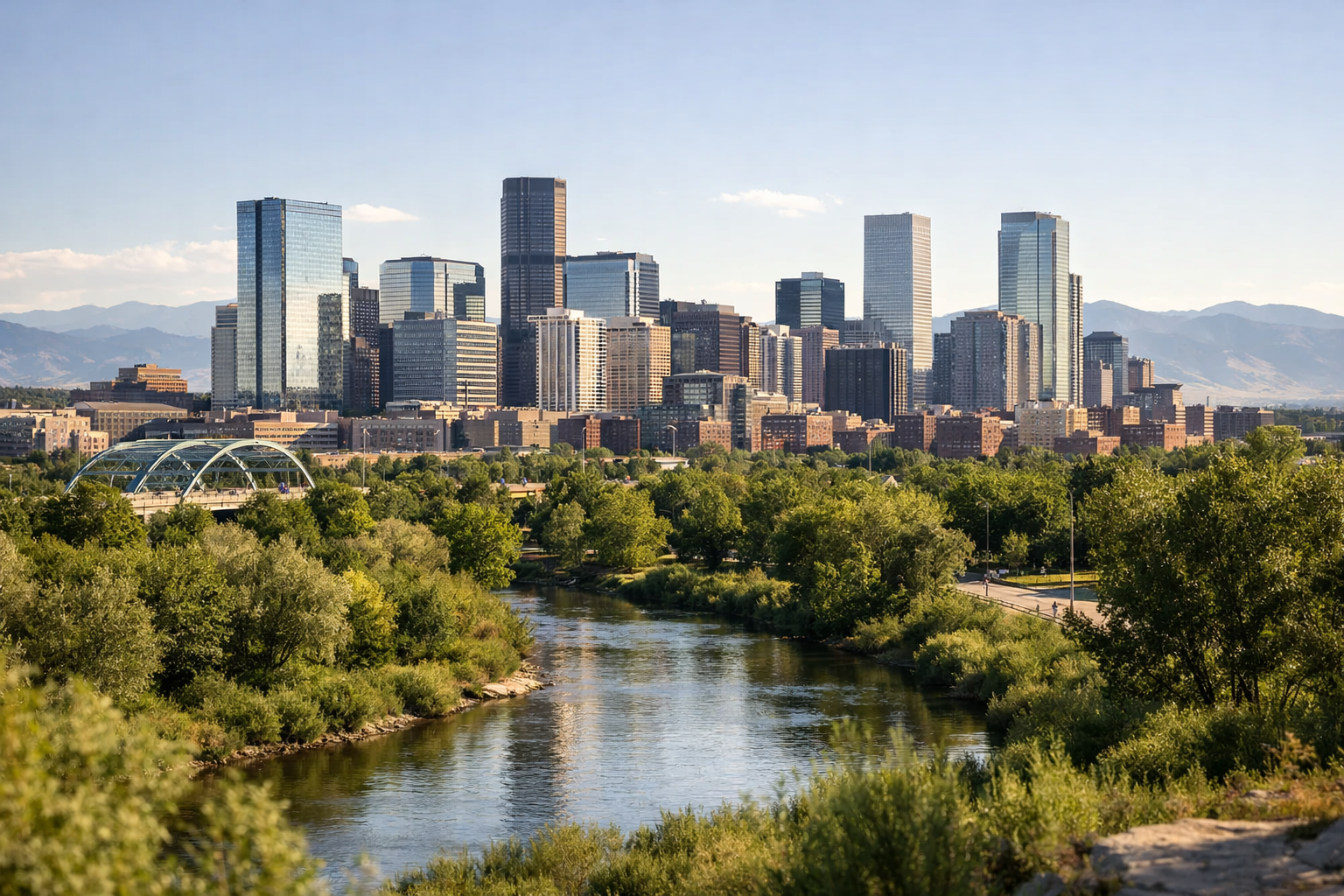
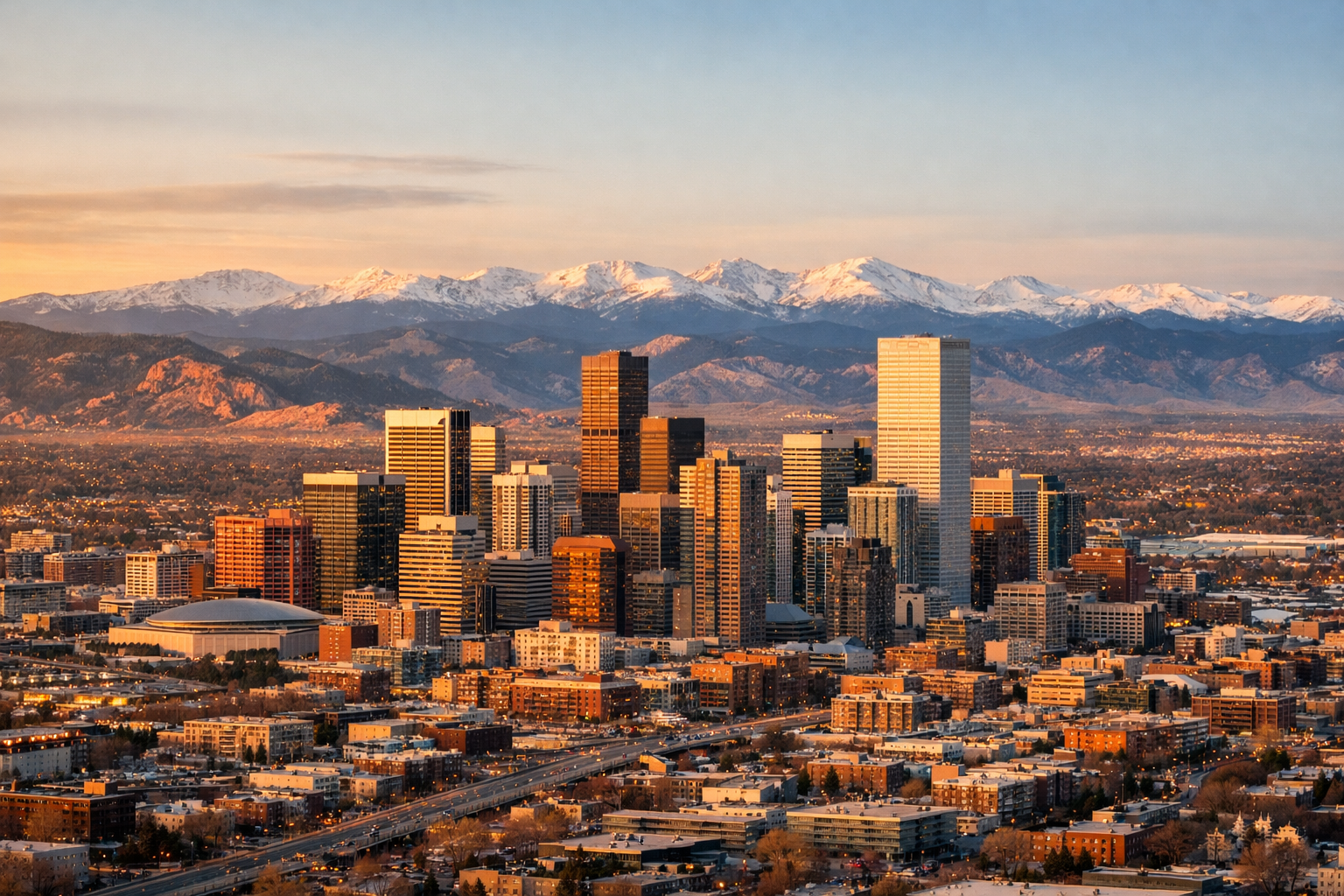
Denver sits at a geographic crossroads that most American cities can only envy. To the east, the Great Plains roll toward the horizon in a haze of golden grass. To the west, the Rocky Mountain foothills rise dramatically within 45 minutes of downtown, offering some of the most accessible alpine terrain on the continent. The city itself sits at exactly 5,280 feet above sea level—one precise mile high—a fact Denverites wear like a badge of honor, literally stamped into the concrete of the 13th step at Coors Field.
That elevation matters for visitors. Plan on one to three days of acclimatization before you push hard on any trail or close out a late night on Larimer Street. Alcohol metabolizes faster, dehydration sets in quicker, and even a partly cloudy day at altitude can produce a serious sunburn. Drink at least one extra liter of water daily, ease into the nightlife for the first 24 hours, and you'll feel the city open up around you.
Denver International Airport sits roughly 35 minutes east of downtown, and once you're in the city, a grid of distinct neighborhoods—each with its own character—makes orientation surprisingly intuitive. LoDo anchors the historic core around Union Station and Coors Field. RiNo pulses with brewery culture and street murals north of downtown. Capitol Hill holds the museums and Victorian brownstones. Cherry Creek offers the upscale retail corridor. Highlands (LoHi) commands the best skyline views over a bowl of green chile. You won't run out of reasons to stay longer than you planned.
For travelers arriving by air and planning to explore beyond city limits—which you absolutely should—arranging reliable ground transportation in advance is one of the smartest moves you can make. Whether you're headed to Red Rocks on a concert night or launching a Rocky Mountain road trip, having a trusted car rental or private transfer lined up before you land removes the single biggest logistical headache Denver visitors face.
1. Red Rocks Amphitheatre: The World's Greatest Outdoor Venue
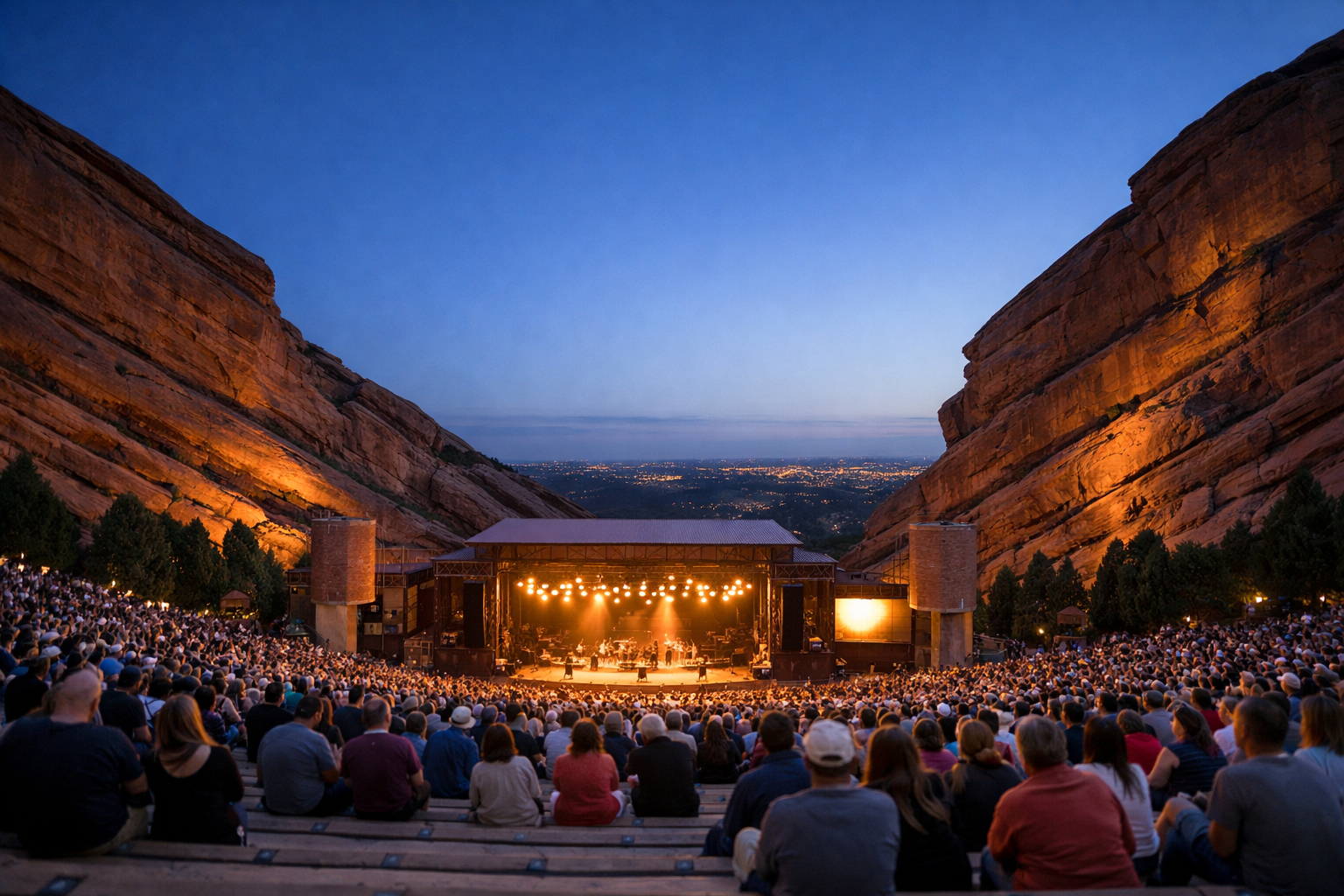
No list of things to do in Denver, Colorado is complete without Red Rocks, and no superlative applied to it is exaggerated. Located 15 miles west of downtown in Morrison—about 25 minutes without traffic—this 9,525-seat amphitheater is carved into 300-million-year-old red sandstone formations that rise naturally to create near-perfect acoustics. Engineers have studied the site for decades and still can't fully replicate what geology achieved for free.
The 2026 concert season runs April through October. Ticket prices span from roughly $35 for emerging acts to well north of $200 for major headliners, with parking running $10–$15 on show nights (buy that in advance—lots fill fast). Arrive at least 90 minutes before doors open, bring layers because temperatures drop 20°F or more after sunset, and note that no outside food or drink is permitted once you're inside. Beer inside runs about $12–$15; cocktails hover around $16.
Beyond concerts, the park itself is free and open daily starting at 5 AM. The Trading Post Trail—a 1.4-mile loop—is accessible and gorgeous on any weekday morning. The Red Rocks Trail stretches 6.8 moderately challenging miles and connects to Matthews/Winters Park. The most Denver thing you can do is show up at 7 AM on a Tuesday and find locals running the stadium steps in workout gear while eagles circle the sandstone spires above them.
Mark your 2026 calendar for a few annual events worth planning around: the Easter Sunrise Service on April 5 draws roughly 10,000 people and is free, Film on the Rocks runs through summer at about $20 per ticket, and Yoga on the Rocks sells out within hours of going live. For complete 2026 lineups and availability, check RedRocksOnline.com directly—it's the only official ticketing source.
2. Rocky Mountain National Park: The Day Trip That Changes You
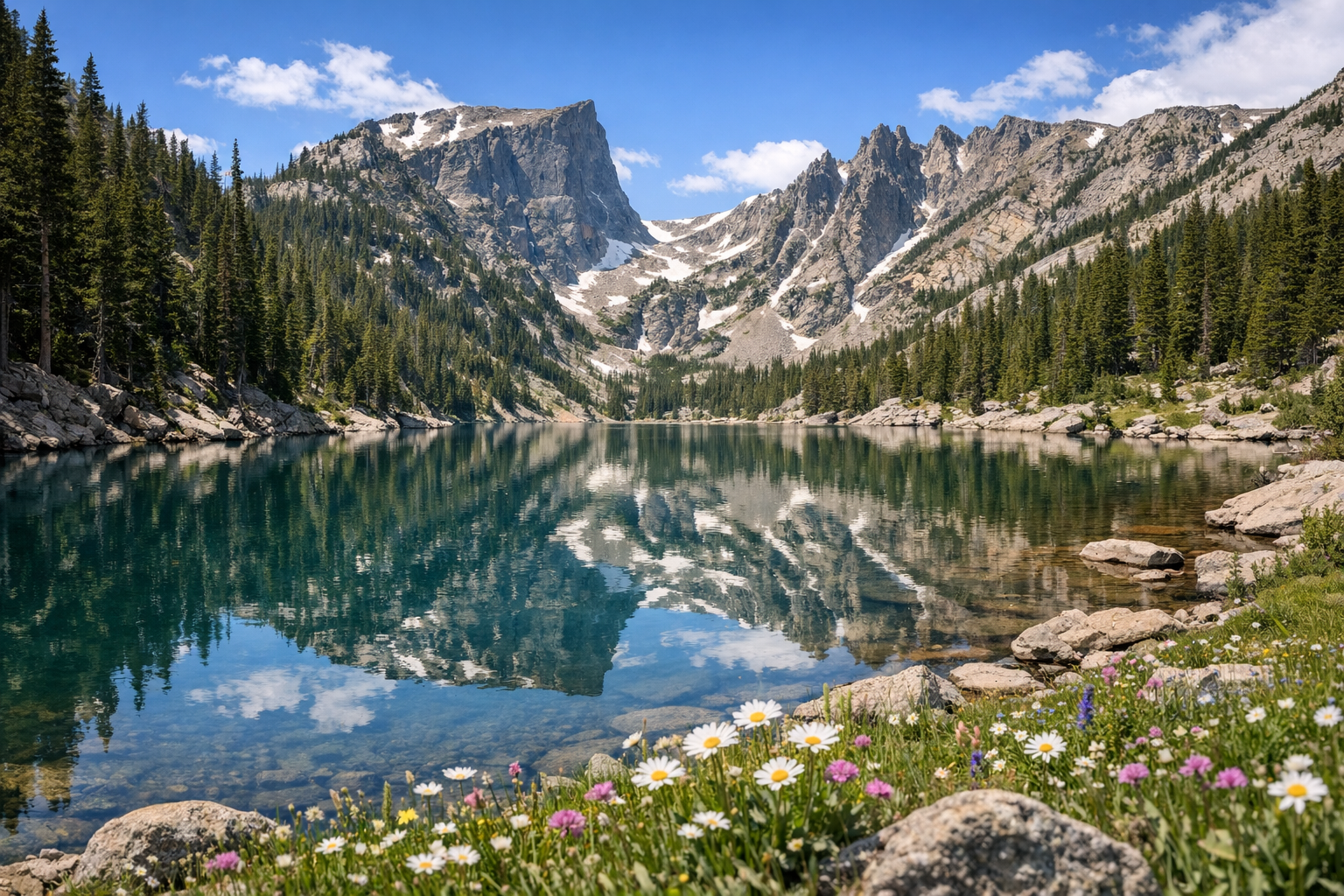
Seventy-one miles northwest of Denver via US-36, Rocky Mountain National Park sits in a different atmospheric league from the city below. The park covers 415 square miles, traces more than 300 miles of hiking trails, and contains Longs Peak at 14,259 feet—one of Colorado's 58 official fourteeners. Trail Ridge Road, the highest continuous paved road in the United States, reaches 12,183 feet and offers views that make even experienced mountain travelers stop mid-sentence.
For 2026, timed entry permits remain required during peak season (June through October). Two entry windows exist—5 to 9 AM and 9 AM to 2 PM—and they carry a $2 reservation fee on top of the standard park pass. A private vehicle entry pass costs $35 for seven days, but the America the Beautiful Annual Pass at $80 covers all National Park Service sites and pays for itself quickly. Book timed permits at recreation.gov, often weeks in advance for summer visits.
First-time visitors should prioritize Emerald Lake Trail—3.6 miles round-trip with 605 feet of elevation gain—for the best return on effort. Bear Lake Loop is wheelchair accessible and spectacular, but arrive before 7 AM in summer to avoid the crowds. For wildlife, head to Moraine Park or Horseshoe Park during the September–October elk rut: hundreds of bull elk bugling through morning fog is one of the most dramatic wildlife spectacles in North America, and it's free to witness from the roadside.
Plan your transportation carefully. Driving yourself gives the most flexibility for early morning starts, but the park's shuttle system within Estes Park reduces congestion during peak hours. If you're organizing a group trip from Denver, exploring private transportation options ensures everyone arrives fresh and on schedule—something worth arranging through a reliable travel booking platform before you depart.
Plan this trip
3. Denver Art Museum: Architecture as Art, Art as Architecture
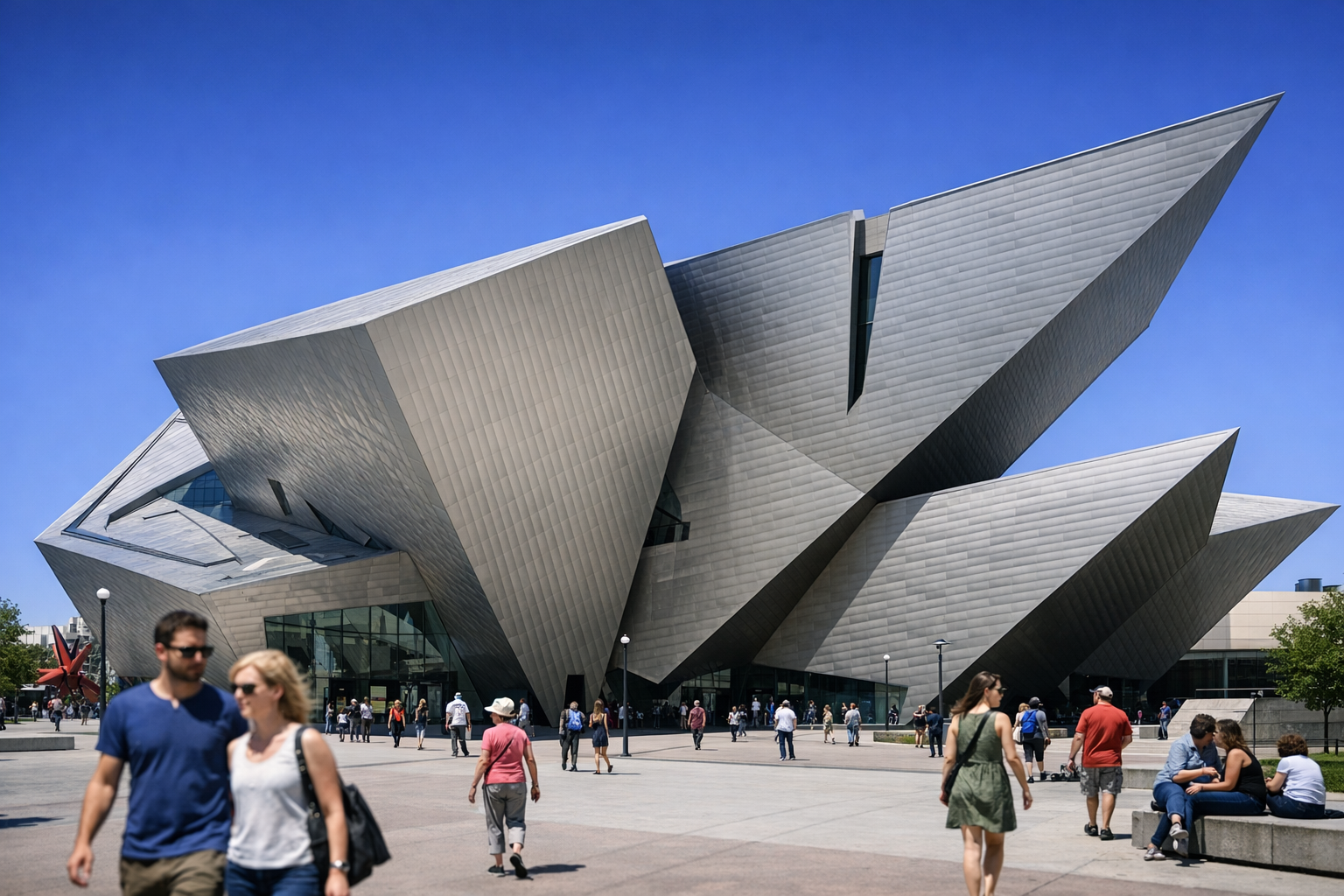
The Denver Art Museum sits in the Civic Center neighborhood and makes its architectural statement before you even buy a ticket. The 2006 Frederic C. Hamilton Building, designed by Daniel Libeskind, is clad in 9,000 titanium panels that catch Colorado's 300-plus annual days of sunshine in ways that shift the building's appearance by the hour. Adjacent to it, the 1971 North Building by Gio Ponti resembles a medieval fortress reimagined through modernist geometry. Together they announce that Denver takes visual culture seriously.
Inside, the collection deserves its reputation. The American Indian Art holdings—approximately 19,000 objects—rank among the most comprehensive in the United States. The Western American Art galleries contain significant Frederic Remington and Charles Russell works that belong on any serious itinerary of Western art. Fashion holdings include notable Balenciaga pieces, and the modern and contemporary wing rotates major traveling exhibitions throughout the year. The $150 million renovation of the Martin Building, completed in 2021, added significant gallery space and improved visitor flow considerably.
Admission for adults runs $22, with reduced rates for seniors, students, and youth. Colorado residents pay discounted prices with a valid ID, and the first Saturday of each month is free for Denver and Colorado residents—expect crowds accordingly. Children under 6 always enter free. Friday hours extend to 8 PM, making it one of the better evening cultural options in the city. Allow at minimum two hours; four is more realistic if you're engaged with the collection. Download the museum's free audio guide app before you arrive.
4. Union Station: Denver's Living Room
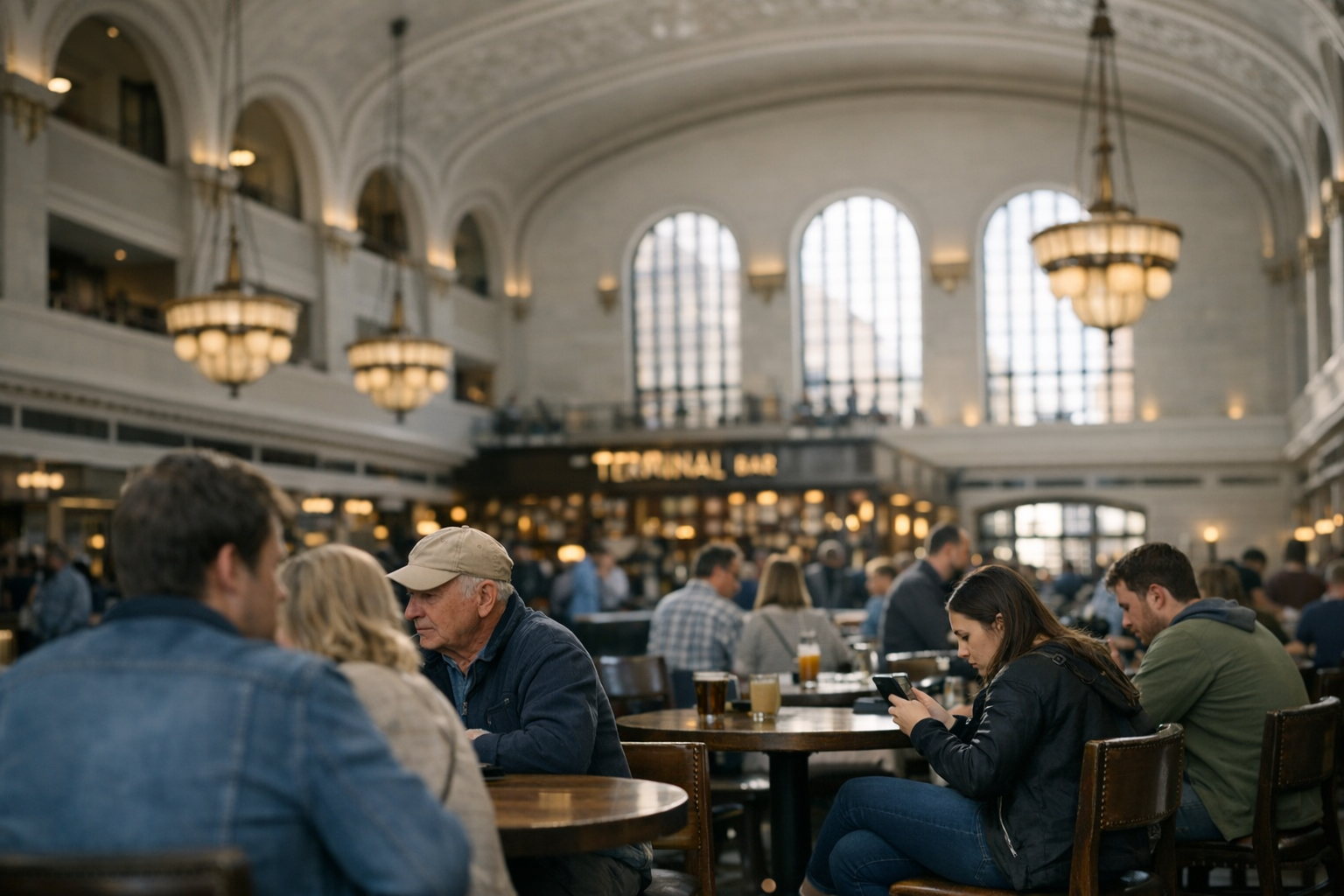
Few urban renovation projects in recent American history have succeeded as completely as Union Station's $500 million transformation, completed in 2014. The 1881 Beaux-Arts terminal—once a crumbling transit relic—is now simultaneously a functioning transportation hub, a hotel, a restaurant destination, and the social anchor of Lower Downtown. Step through the main doors and the 65-foot barrel-vaulted ceiling of the Great Hall stops you cold. The iconic 'TRAVEL BY TRAIN' signage glows warmly above the Terminal Bar, making it one of Denver's most photographed interiors without ever feeling staged.
The Crawford Hotel occupies 112 rooms built directly into the historic terminal structure, with rates ranging from roughly $200 to $500-plus per night depending on season and room type—one of the more distinctive hotel experiences available in any American city. For dining, Mercantile Dining & Provision from chef Alex Seidel operates within the building as one of Denver's most acclaimed farm-to-table restaurants. Snooze A.M. Eatery draws weekend brunch crowds willing to wait. The Tattered Cover Bookstore—Denver's beloved independent bookshop—maintains a presence here as well.
Transportation-wise, the RTD A-Line commuter rail connects Union Station to Denver International Airport in approximately 37 minutes for $10.50 each way, making it the most stress-free airport connection in the city. Amtrak's California Zephyr—the Chicago-to-San Francisco route widely considered one of America's most scenic train journeys—stops here, a fact worth noting for travelers with flexible itineraries. The Great Hall itself is free to enter, always open, and offers reliable Wi-Fi and public restrooms—a genuine public amenity in a city that needs more of them.
Plan this trip
5. RiNo Arts District: Murals, Breweries, and Denver's Creative Engine
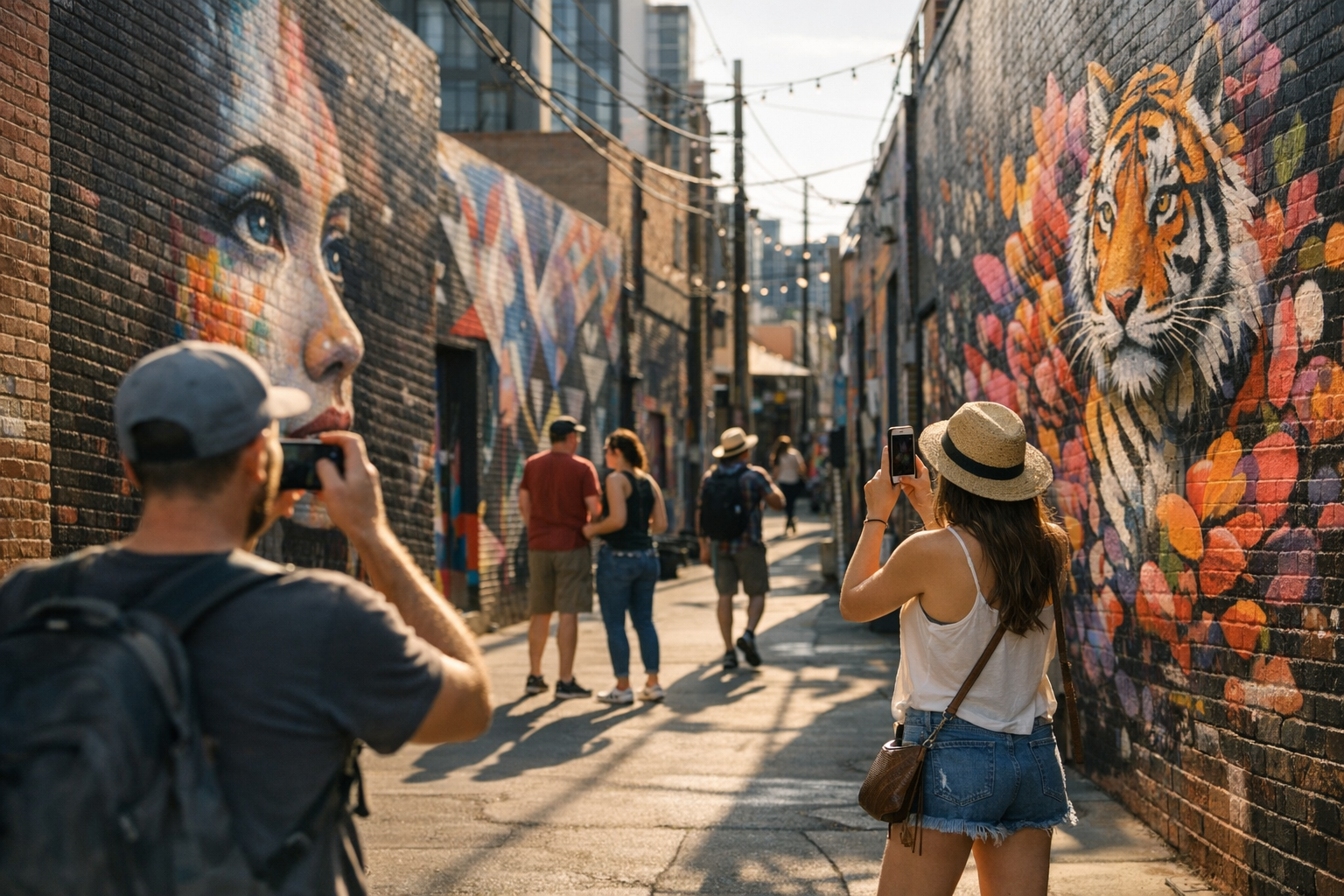
RiNo—River North—is what happens when artists colonize a post-industrial warehouse district faster than developers can price them out. Bounded roughly by Brighton Boulevard, Larimer Street, I-70, and the South Platte River, it has been named one of America's coolest neighborhoods by multiple publications over the past decade, and the designation still holds. Over 200 documented murals cover its buildings, with new work added continuously. The free self-guided walking map at rinoartdistrict.org is a legitimate starting point, though wandering without a plan works just as well.
Brewery culture in RiNo runs deep. Great Divide Brewing Co. at 2201 Arapahoe Street is Denver's most award-winning brewery—its Yeti Imperial Stout has become a regional institution—and the taproom offers tours alongside daily pours. Ratio Beerworks on Larimer Street occupies a beautifully converted industrial space with food trucks rotating through the parking lot. Our Mutual Friend Brewing specializes in sour ales in an intimate setting that rewards repeat visits. For something genuinely different, Liberati Osteria & Oenobeers has built a following around Italian-inspired hybrids of wine and beer that divide opinion productively.
Food beyond beer is serious business here. Safta at 3330 Brighton Boulevard serves acclaimed Israeli cuisine from Alon Shaya, a James Beard Award-winning chef whose wood-fired cooking has made Denver a legitimate culinary destination for food media. The Source Hotel & Market Hall at 3350 Brighton Boulevard houses more than 14 vendors under one roof alongside a New Belgium Brewing taproom and a rooftop bar with views worth waiting for. Zeppelin Station on Wazee Street anchors the international street food end of the spectrum. RiNo is walkable from Union Station in 15–20 minutes, or accessible via the RTD A-Line's 38th/Blake station.
6. Coors Field and Colorado Rockies Baseball: The Cheapest Show in MLB
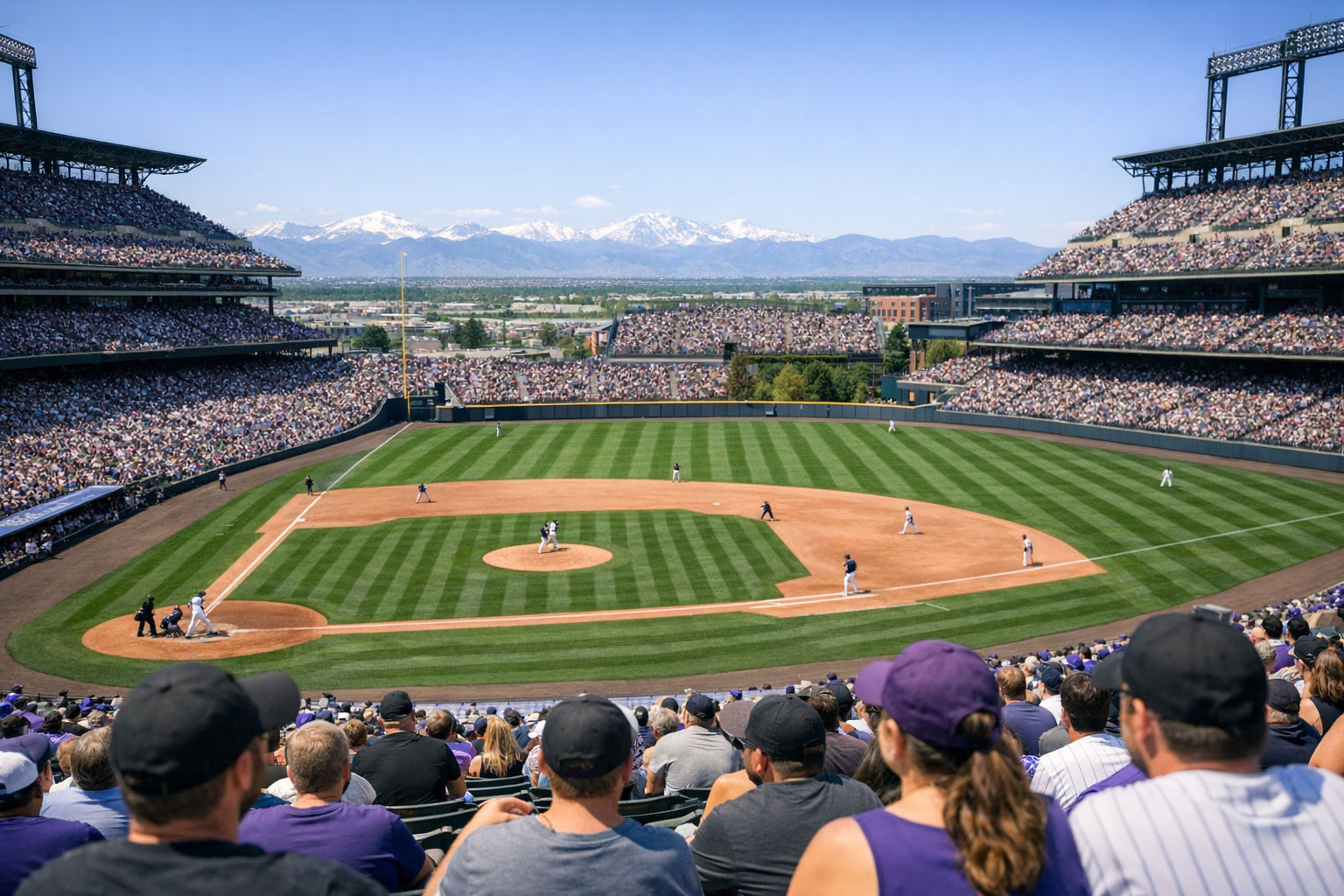
Coors Field in LoDo is many things: a genuinely beautiful ballpark opened in 1995 with capacity for 46,897 fans, a case study in how altitude affects sport, and the home of the cheapest regular-season MLB ticket in professional baseball. The Rockpile—the center field bleacher section—charges between $1 and $4 per seat on most game days. That's not a typo, and it's not a promotional gimmick. It's been a policy for years, and it means that a family of four can attend a major league game in one of the country's most scenic ballparks for the cost of a single craft beer inside the stadium.
The altitude effect on baseball at Coors Field is documented and dramatic. At 5,280 feet, the thinner air offers 10–15% less drag on batted balls, producing more home runs and higher-scoring games than virtually anywhere else in the league. Since 2002, the Rockies have stored game balls in a humidity-controlled room called 'the humidor' to counteract the drying effect of altitude on leather—a solution unique in professional sports. The rooftop concourse offers mountain views while you watch the game, and the 20th Street Bar combines a city skyline sightline with cold Colorado craft beer, including Great Divide and Breckenridge Brewery on tap.
Skip the driving and parking headache—RTD light rail to the 20th/Welton station drops you within a short walk of the main gates. The 2026 MLB regular season runs April through late September, with the World Series in October. Buy tickets at mlb.com/rockies for face value and full seat selection.
Plan this trip
7. Denver Botanic Gardens: 45,000 Plants on 24 Acres
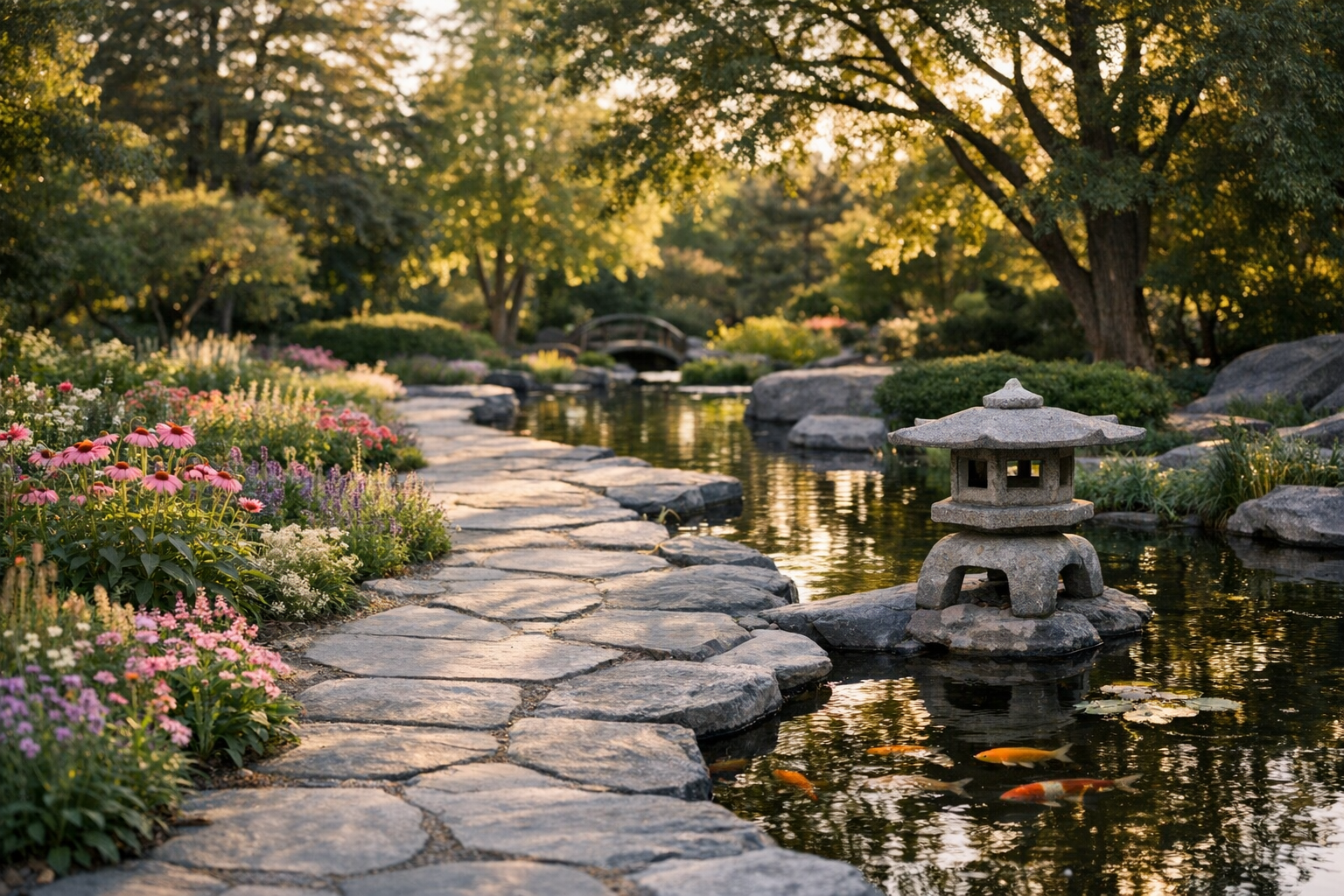
The Denver Botanic Gardens occupy 24 acres in the Capitol Hill–Cheesman Park corridor and contain more than 45,000 plants representing over 700 species—a collection that consistently earns rankings among the finest botanic gardens in the United States. The Japanese Garden alone justifies the admission price, recognized as one of the best examples of that garden tradition in the country. The Rock Alpine Garden showcases high-altitude Colorado flora, presenting an educational counterpoint to the tropical conservatory where you can stand in lush humidity while Colorado winter operates at its most brutal just outside.
Admission for adults runs $20–$25 depending on season, with children ages 3–15 at $14 and under-3 free. Denver residents receive discounted rates. Annual membership starts at $85 for an individual and covers unlimited visits—a smart purchase if you're staying long enough to visit twice, particularly given the summer Thursday evening concert series that brings acts to the outdoor amphitheater for $30–$80 per ticket. Those Thursday concerts sell out months in advance; book early or buy tickets the day they go on sale.
Plan around Blossoms of Light if your visit falls between late November and early January—the annual winter light installation transforms the gardens into one of the most visually spectacular ticketed events in the city. Adults pay approximately $22, children $14, and advance tickets are non-negotiable. Wildflower peak typically hits in May and June, and the Dia de los Muertos Festival in late October draws large community attendance. Allow at minimum two to three hours for a relaxed visit; the Children's Discovery Garden adds another hour if you're traveling with kids.
8. Denver Museum of Nature & Science: Dinosaurs, Gems, and Space
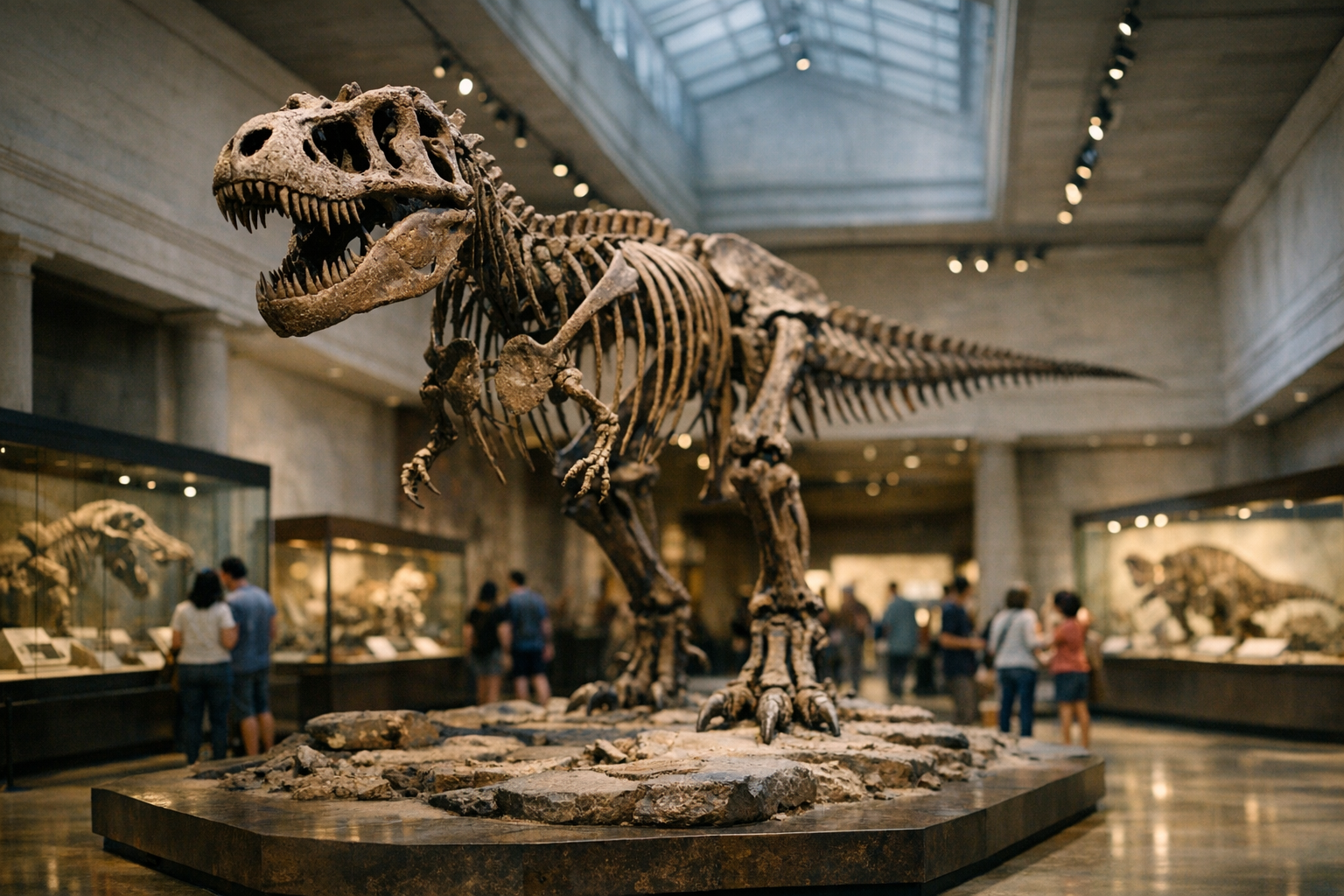
The Denver Museum of Nature & Science anchors the northwest corner of City Park and houses one of the most complete natural history collections between Chicago and Los Angeles. Prehistoric Journey is the anchor exhibit—a dinosaur fossil gallery that represents real Colorado paleontological digs, including Stegosaurus, Triceratops, and T-rex specimens. Colorado's Morrison Formation is one of the world's most productive dinosaur fossil sites, and the museum presents that regional context with unusual depth.
The Gems & Minerals hall belongs on the itinerary for any visitor with even passing interest in geology. The collection includes extraordinary specimens—large topaz crystals, rare colored diamonds, and a range of mineral formations that read as abstract sculpture in certain light. Egyptian Mummies has been enhanced with CT-scan data that reveals internal structures without unwrapping the artifacts, a genuinely contemporary approach to ancient material. Space Odyssey, developed in partnership with NASA, includes a Mars rover replica and environment simulations that hold adult attention as effectively as they capture children's.
Admission is $22 for adults, $17 for youth (3–18), and $19 for seniors 60 and older. The IMAX theater adds $9 for adults and $7 for youth; combo tickets offer modest savings. Parking on-site is free, which in this city is never taken for granted. The museum sits directly adjacent to the Denver Zoo, making a combined visit logistically clean if you have a full day. For adults, Science Lounge evenings run periodically—21-and-older events with cocktails and extended exhibit access that offer a genuinely different experience from the daytime family crowd.
Plan this trip
9. Washington Park: Where Denver Actually Lives
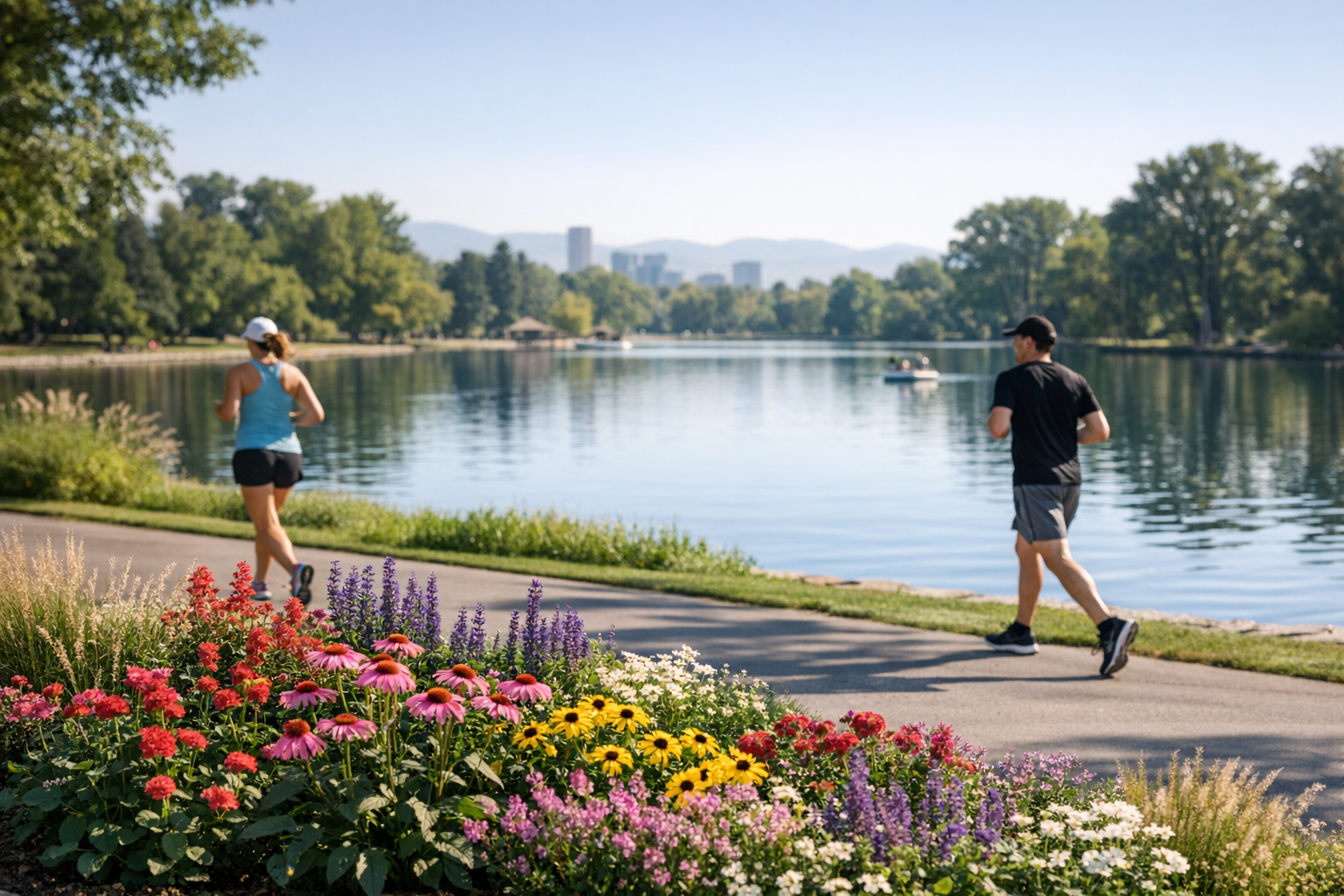
Washington Park—WaPa to locals—is 165 acres of urban green space in the residential south end of the city, and it functions as Denver's communal living room in a way that no other park quite manages. The 2.6-mile perimeter loop fills early on weekend mornings with joggers, cyclists, rollerbladers, and dog walkers moving at every pace from competitive to leisurely. The two lakes—Grasmere and Smith—mirror the surrounding cottonwoods in autumn in a way that stops cyclists mid-ride.
Paddleboat and rowboat rentals operate on the lakes during summer for roughly $15–$20 per hour, a low-key pleasure that's genuinely one of the most relaxing things you can do in the city. Volleyball nets, open lawn for Frisbee and pickup soccer, and elaborate seasonal flower gardens fill out a park that functions as a genuine community hub rather than a tourist attraction. That's precisely what makes it worth visiting: you see how Denver lives rather than how it performs for visitors.
The surrounding neighborhood amplifies the appeal. Virginia Avenue hosts food trucks on weekends. Nearby cafés and bars serve the post-run crowd without pretense. The park is free, always open, and at its absolute best on summer mornings before 10 AM when the light is low and the serious runners are just finishing their second loops. It's a 10-minute drive from most central Denver hotels or a short ride-share from downtown—an easy addition to any full day that includes the nearby Denver Botanic Gardens.
Practical Tips for Visiting Denver in 2026
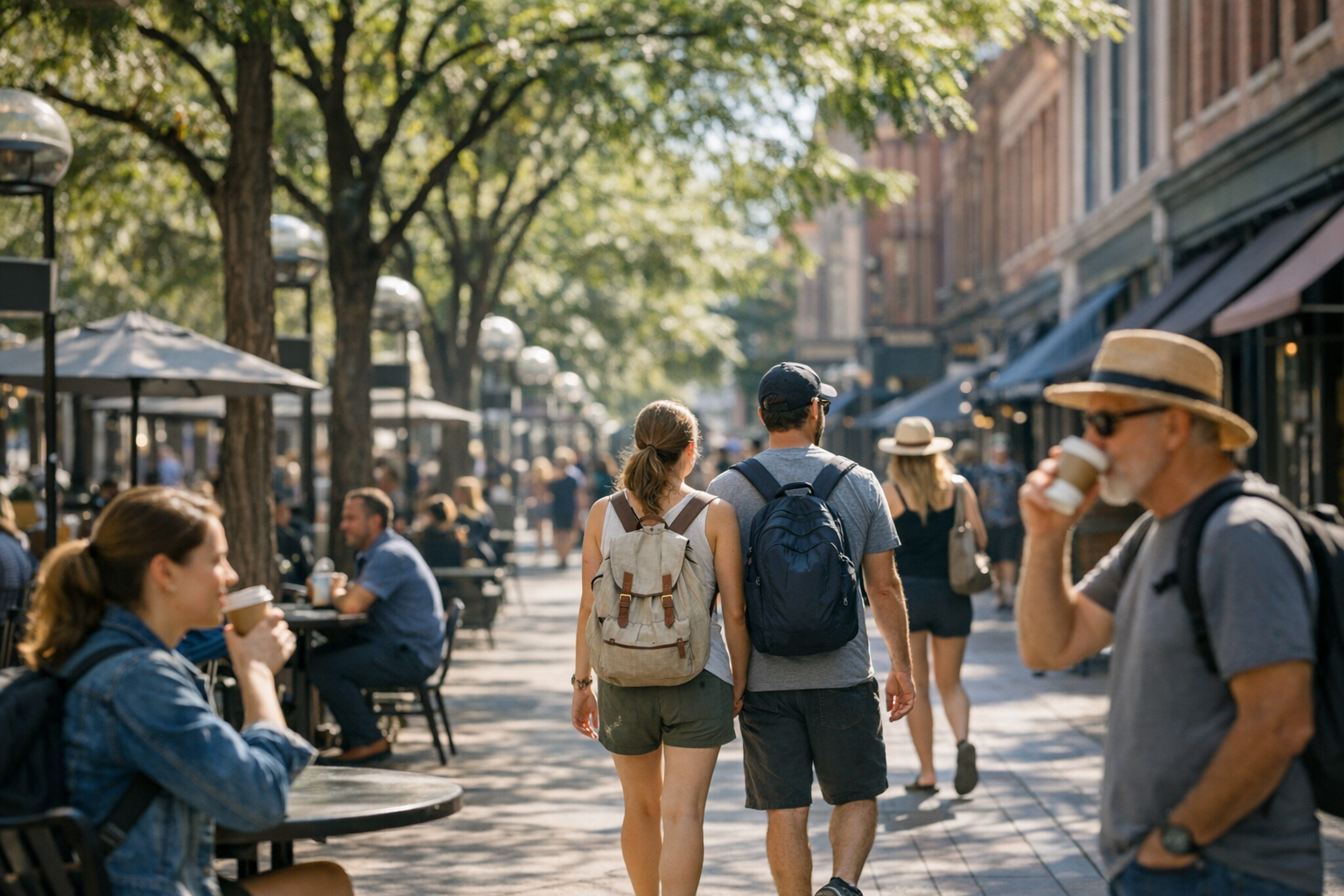
Denver's altitude is the single most underestimated factor in visitor planning. At 5,280 feet, your body is processing oxygen differently, alcohol affects you faster, and the sun—particularly between April and September—will burn you through cloud cover in ways that don't happen at sea level. Drink water aggressively from the moment you land, apply SPF 30 or higher every morning regardless of forecast, and resist the temptation to match pace with locals on your first night out.
Getting around Denver has become markedly more manageable since RTD expanded light rail and commuter rail service. The A-Line from Union Station to DIA runs every 15 minutes during peak hours and every 30 minutes off-peak, taking 37 minutes door-to-door for $10.50. The free 16th Street MallRide bus serves the downtown pedestrian corridor. For neighborhoods beyond RTD reach—RiNo's outer edges, Washington Park, or day trips to Red Rocks—a rental car or reliable ride-share is still the practical choice. Visitors planning multiple day trips into the mountains benefit substantially from having their own wheels; the flexibility to pull off at a trailhead or viewpoint along I-70 that no shuttle schedule accommodates is worth the rental cost.
For accommodation, the choice of base neighborhood shapes the entire visit. LoDo and Union Station keep you within walking distance of Coors Field, the 16th Street Mall, and direct train access to both DIA and the broader RTD network—ideal if you prefer to minimize driving. RiNo positions you inside Denver's most energetic cultural corridor but requires transportation for museum visits. Cherry Creek offers quieter streets and walkable upscale amenities if that suits your travel style better. Whatever neighborhood you choose, booking accommodation well in advance for summer weekends—particularly Rockies home stands—is not optional. Denver hotel demand spikes sharply during concert season at Red Rocks and major sporting events, and rates follow accordingly.
Always carry a light jacket regardless of the season. Denver's weather changes at altitude faster than any forecast system fully captures, and a 75°F afternoon can become a 45°F evening with a front moving through. That 20°F temperature drop after sunset at Red Rocks that catches every first-time concert visitor off-guard is not an anomaly—it's the norm.
Plan this trip
Frequently Asked Questions
Most visitors find three to four days enough to cover Denver's core attractions—the Denver Art Museum, Union Station, RiNo, Coors Field, and Washington Park—plus one day trip to Red Rocks or Rocky Mountain National Park. A full week allows you to explore the city's distinct neighborhoods (Highlands, Baker, Capitol Hill) at a comfortable pace and add a second mountain excursion.
May through early October offers the most activity options, with June through August being peak season for hiking, outdoor concerts at Red Rocks, and Rocky Mountain National Park visits. September and early October are arguably the best overall: fall foliage, the elk rut in RMNP, fewer crowds than July, and mild temperatures. Winter (December–March) suits skiers heading for I-70 mountain resorts; Denver itself rarely sees the heavy snowfall that blankets the mountains.
Yes, and it's more significant than most visitors expect. At 5,280 feet, alcohol metabolizes approximately 20% faster, dehydration sets in quicker, and UV radiation is measurably stronger than at sea level. Most visitors feel some effect—mild headaches, fatigue, or shortness of breath on stairs—within the first 12–24 hours. Drinking an extra liter of water daily, avoiding heavy alcohol consumption during your first day, and applying sunscreen consistently resolves the issue for most people within 48 hours.
Within downtown Denver and for trips between LoDo, RiNo, Union Station, and Coors Field, you don't need a car—RTD light rail, the free 16th Street MallRide, and ride-share services handle the logistics well. For day trips to Red Rocks, Rocky Mountain National Park, or any I-70 mountain resort, a rental car provides substantially more flexibility than any available shuttle or tour option, and is the recommended choice for visitors planning to explore beyond the urban core.
Several of Denver's best experiences cost nothing. Red Rocks park and hiking trails are free every morning before concert events begin. Washington Park's 2.6-mile loop and lakeside grounds are always free and open. Walking RiNo's mural corridors using the free self-guided map from rinoartdistrict.org costs nothing. The interior of Union Station's Great Hall—including the Terminal Bar seating area—is public and free. The Denver Art Museum is free to all Colorado residents on the first Saturday of each month.
Red Rocks is approximately 15 miles west of downtown Denver in Morrison, Colorado—roughly 25 minutes by car without traffic. On concert nights, traffic on US-285 and CO-470 can extend that to 45–60 minutes, making early departure essential. Parking on concert nights costs $10–$15 and should be purchased in advance. The park itself is free to visit for hiking and sightseeing on non-concert days.
First-time visitors get the most out of LoDo (Union Station, Coors Field, walkable restaurant scene), RiNo (breweries, street murals, Safta, The Source Market Hall), and the Civic Center area (Denver Art Museum, Colorado State Capitol). Adding a half-day in Highlands for the skyline views and a walk through Washington Park gives a balanced picture of how the city actually functions across different demographics and energy levels.
Yes, but plan it carefully. The drive from Denver to the Beaver Meadows entrance near Estes Park takes approximately 1.5 hours, and timed entry permits are required June through October—book at recreation.gov weeks in advance for summer dates. A realistic day trip allows 6–8 hours in the park, sufficient for one substantive hike (Emerald Lake Trail is the best value for time invested) plus wildlife viewing along the main roads. September and early October are the best months: fall colors, elk rut activity in Moraine Park, and manageable crowds.