
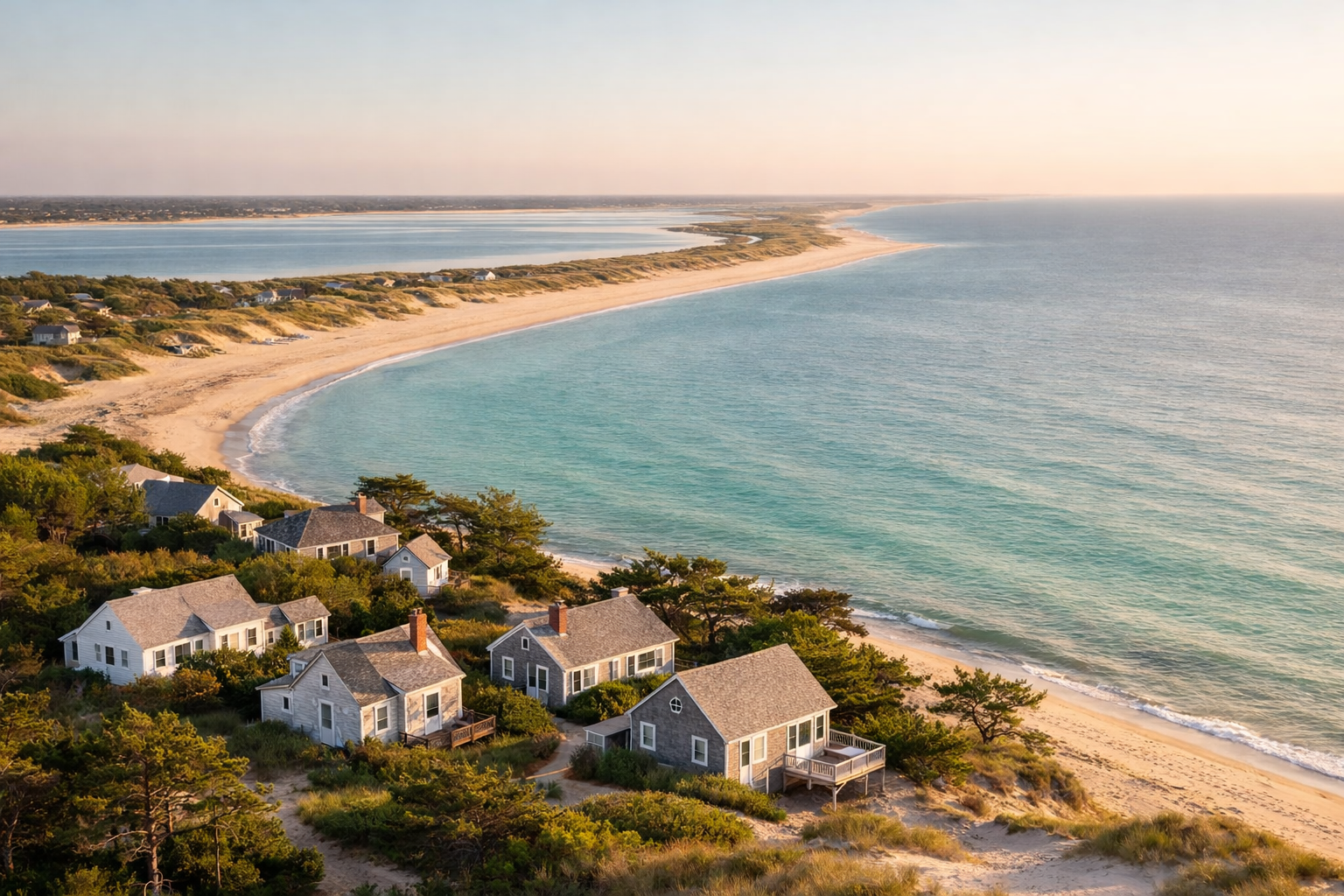
Understanding Cape Cod: Geography and Regions
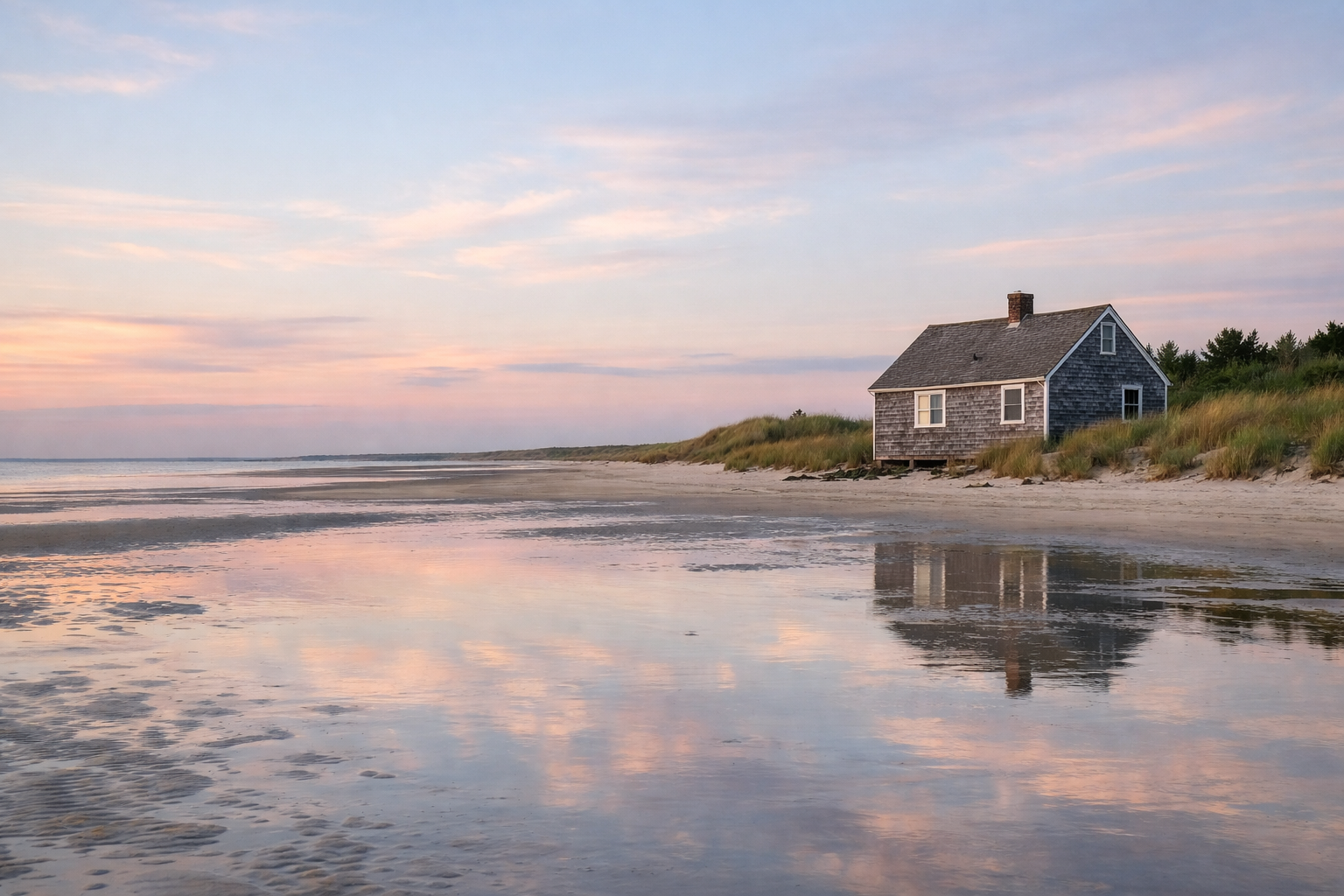
Cape Cod is a 65-mile-long peninsula curling into the Atlantic Ocean from the southeastern corner of Massachusetts, covering roughly 346 square miles across 15 towns in Barnstable County. Two bridges — the Sagamore and the Bourne — connect the Cape to the mainland, and the one you choose at arrival can set the tone for your entire trip. Locals know these crossings as a rite of passage; on a peak summer Friday they can back up 15 to 20 miles, so timing your departure is not optional — it's strategic.
The Cape divides naturally into four informal regions, each with its own character. The Upper Cape (Bourne, Sandwich, Falmouth, Mashpee) is the most accessible from Boston and Providence, offering historic towns and calm Buzzards Bay beaches. The Mid Cape (Barnstable, Yarmouth, Dennis) is the commercial and lodging hub — Hyannis anchors it with ferry service to Nantucket and Martha's Vineyard, and Route 28 is lined with classic motels, seafood shacks, and mini-golf courses. The Lower Cape (Harwich, Chatham, Orleans, Brewster) is where architecture gets grander, prices climb, and the fishing culture runs deepest. Chatham, sitting at the elbow of the Cape, is arguably its most beautiful town. Then there is the Outer Cape — Eastham, Wellfleet, Truro, and Provincetown — where the Cape Cod National Seashore protects approximately 43,000 acres of beaches, ponds, marshes, and upland. Here the dunes rise forty feet, seals haul out on sandbars, and humpback whales surface within sight of shore.
Understanding these four zones before you book is the single most important piece of planning advice any travel expert can offer. The region you choose determines not only your scenery but your budget, your commute to beaches, and the kind of trip you'll have.
Best Time to Visit Cape Cod
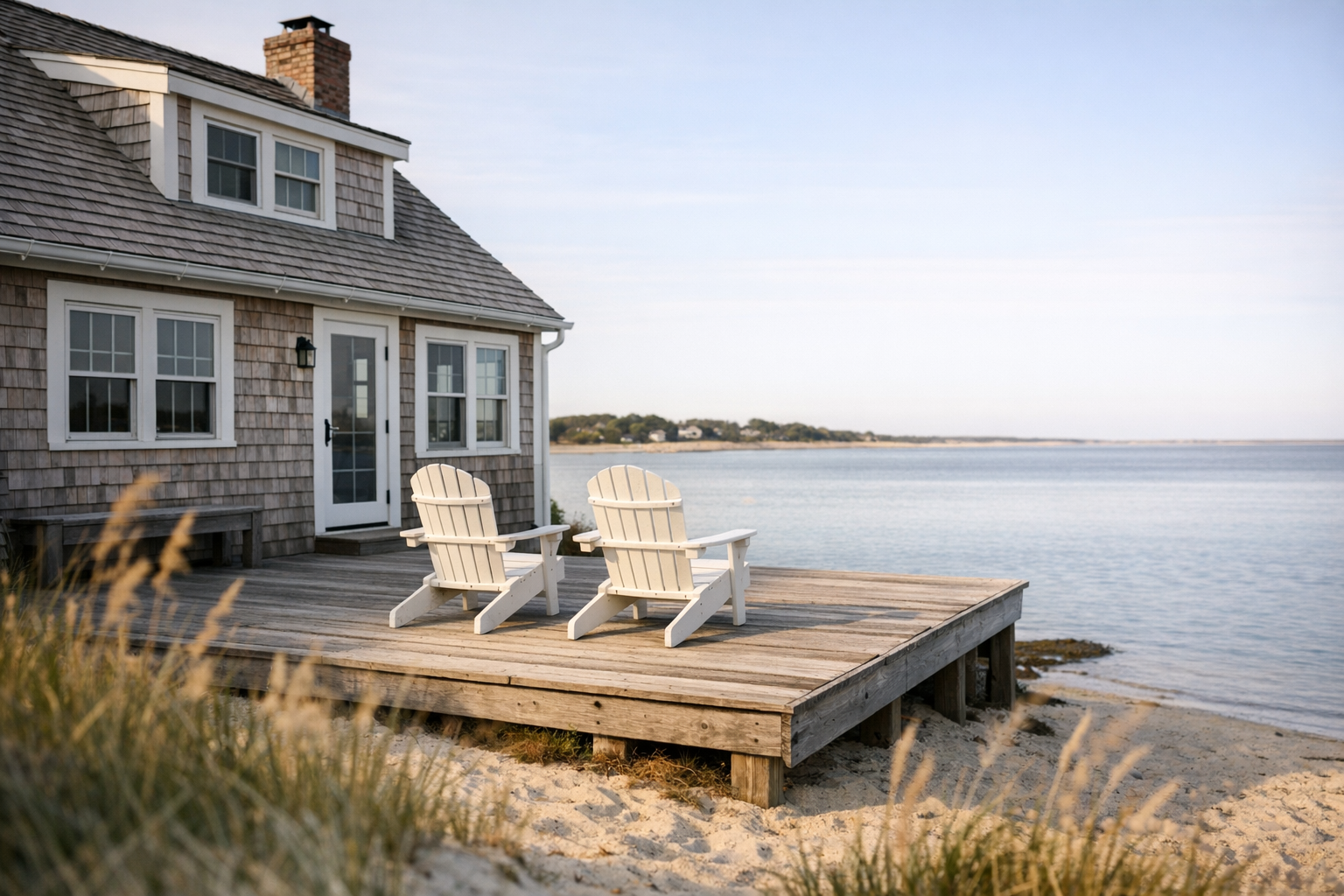
Peak season on Cape Cod runs from late June through Labor Day, with July and August delivering water temperatures of 68 to 72°F on south-facing Nantucket Sound beaches and average highs in the 75 to 85°F range. These are the weeks when vacation rentals command top dollar and bridge traffic reaches its maddening peak — the July 4th weekend alone can back up both bridges 15 to 20 miles. If you must arrive that week, cross before 10am on Thursday or wait until Sunday morning. Rental inventory is largely spoken for by March for peak summer weeks; if you're reading this in spring and hoping for a prime July rental, book today.
September is the Cape's best-kept secret, and locals will tell you so without hesitation. The crowds thin dramatically after Labor Day, ocean temperatures remain a comfortable 65 to 68°F, restaurants are still fully open, and accommodation rates fall 25 to 45% from August peaks. The Wellfleet OysterFest, typically held the third weekend of October (October 18–19 in 2025), draws oyster lovers from across New England for what has become one of the region's signature events. Whale watching operates through October, and the kettle ponds take on a glassy stillness that's genuinely magical.
Should-season spring (May through mid-June) offers blooming gardens, uncrowded trails, and significantly reduced rates, though the water — hovering around 55 to 60°F — keeps most people onshore. The off-season from November through April sees many restaurants and attractions shutter, but Provincetown and Chatham maintain year-round communities, and winter storm watching has its own devoted following. Noreasters roll through November to March, and rates drop 50 to 70% from summer peaks, with weekly minimums often waived entirely.
Cape Cod Vacation Rentals: What to Expect and Where to Book
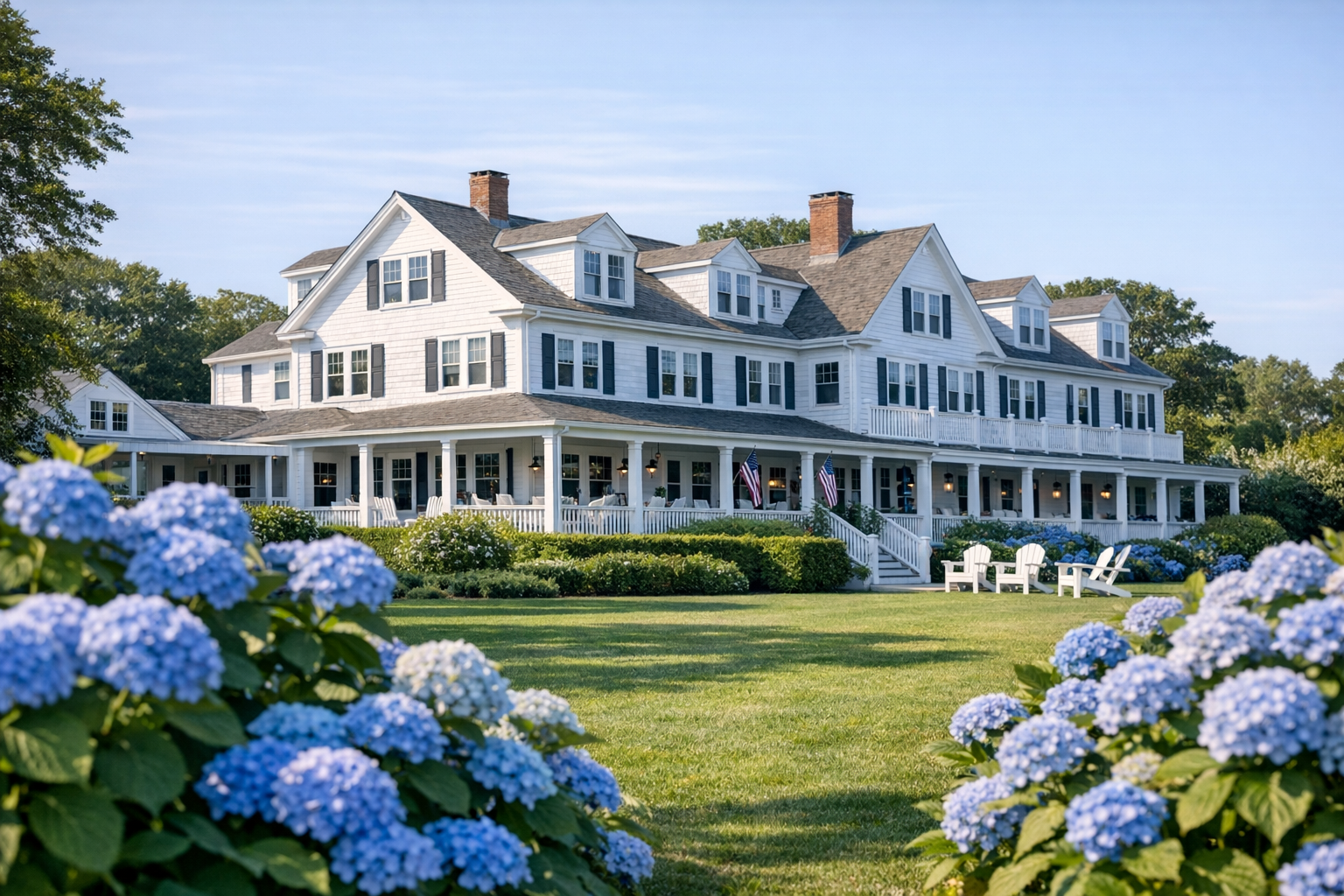
Vacation rentals are the dominant lodging choice on Cape Cod, and for good reason: a private home gives you a full kitchen for lobster nights, outdoor space for kids, and the kind of neighborhood immersion no hotel can replicate. But the Cape rental market has its own rules, and first-timers frequently get tripped up by them.
The traditional Cape Cod rental week runs Saturday to Saturday — a convention that dates back decades and remains standard at most agencies and private owners. During peak season (July and August), that Saturday-to-Saturday format is nearly non-negotiable. Shorter stays open up in shoulder and off-seasons, when three- and four-night minimums become common.
Rental Rates for 2025 Peak Season For a studio or one-bedroom cottage sleeping two to four people, expect to pay $1,800 to $3,500 per week in the Upper and Mid Cape, $2,200 to $4,500 on the Outer Cape, and $2,000 to $4,000 in Provincetown. A two- to three-bedroom house for four to eight guests runs $3,500 to $6,500 in the Mid Cape and $4,500 to $9,000 in Chatham and Orleans. Waterfront or water-view properties command a 30 to 60% premium over equivalent inland homes. Larger beach houses sleeping eight to fourteen guests start around $6,000 per week in the Mid Cape and can reach $25,000 or more for oceanfront properties on the Outer Cape; Chatham waterfront estates occasionally exceed $30,000 per week.
September and October rentals typically run 25 to 45% below peak rates — the same house that costs $8,000 in August might be available for $4,800 in September, with a three-night minimum instead of seven.
Where to Book VRBO carries the largest Cape Cod inventory and is particularly strong for full-house rentals. Airbnb offers more flexibility on cancellation policies and works well for smaller cottages. Local specialty platforms like Vacation Cape Cod (vacationcapecod.com), established in 1995, and agencies like Kinlin Grover Vacation Rentals (strong in Chatham, Orleans, and Brewster) and ERA Cape Real Estate offer vetted properties with direct agency accountability — worth the slight reduction in booking flexibility.
Critical Logistics Every Renter Should Know Massachusetts levies a 5.7% state short-term rental tax, and most Cape towns add a local option tax of up to 6%, bringing total taxes to roughly 8 to 12% of rent. Budget for this on top of your weekly rate. Many older Cape cottages — charmingly authentic in every other respect — lack central air conditioning. Ask specifically; window units are increasingly standard, but not universal. Confirm whether linens are included: traditional Cape rentals frequently are not, leaving you to either bring your own or pay a linen service fee ($75 to $150 per stay). Septic systems on the Cape are older and sensitive — most properties post strict rules prohibiting garbage disposals and limiting laundry loads. These aren't suggestions; violating them can result in forfeited security deposits, which typically range from $500 to $2,000.
For the best selection of peak-season properties, book by January or February. The most sought-after waterfront weeks are often claimed by returning renters with right-of-first-refusal before listings ever go public.
Plan this trip
Hotels, Inns, and Resorts: From Budget Motels to Grand Resorts

Not every Cape visitor arrives by the week, and the peninsula's hotel and inn landscape covers an impressive range of price points and experiences.
Luxury Tier ($400–$1,500+ per Night) The Chatham Bars Inn stands as the Cape's most storied grand resort, a 217-room property on a private beach that opened in 1914 and has never stopped refining itself. Peak rates run $600 to $1,500 per night for suites and cottages, with four dining venues, a full-service spa, four pools, sailing, and fishing charter access included in its orbit. Wequassett Resort and Golf Club, a AAA Four Diamond property on 27 acres overlooking Pleasant Bay in Harwich, offers a different flavor — more understated, with 120 rooms, a sailing school, four pools, and adjacency to Cape Cod National Golf Club. Peak rates run $700 to $1,200 per night.
Mid-Range Tier ($200–$450 per Night) The Red Jacket Beach Resort in South Yarmouth delivers genuine Nantucket Sound waterfront access with a private beach and family-friendly amenities for $350 to $550 per night at peak. The Platinum Pebble Boutique Inn in West Harwich has earned a devoted following among adults-only travelers seeking something more intimate — expect to pay $350 to $550 per night for a property that punches well above its size. The Captain's House Inn in Chatham brings B&B intimacy to a 16-room adults-preferred property with full breakfast included at $250 to $450 per night.
Budget Tier ($100–$200 per Night) Route 28 through Yarmouth and Dennis is lined with classic motor lodges that provide clean, functional rooms at $100 to $200 per night during peak season — these properties book up faster than their reputation might suggest. Hostelling International's HI-Eastham hostel sits within Cape Cod National Seashore lands and offers the most extraordinary setting at the lowest price: dorm beds from $35 to $55 per night for members, private rooms from $90 to $150.
Camping and Glamping Nickerson State Park in Brewster is the crown jewel of Cape camping: 400 sites spread across 1,900 acres of pitch pine and oak forest surrounding eight freshwater kettle ponds. Sites run $22 to $27 per night and are bookable through mass.gov — they fill within minutes of release windows, so set calendar reminders. Horton's Camping Resort in North Truro and Atlantic Oaks Campground in Eastham offer RV-friendly options within easy reach of National Seashore beaches, with sites from $65 to $95 per night.
The Best Beaches on Cape Cod
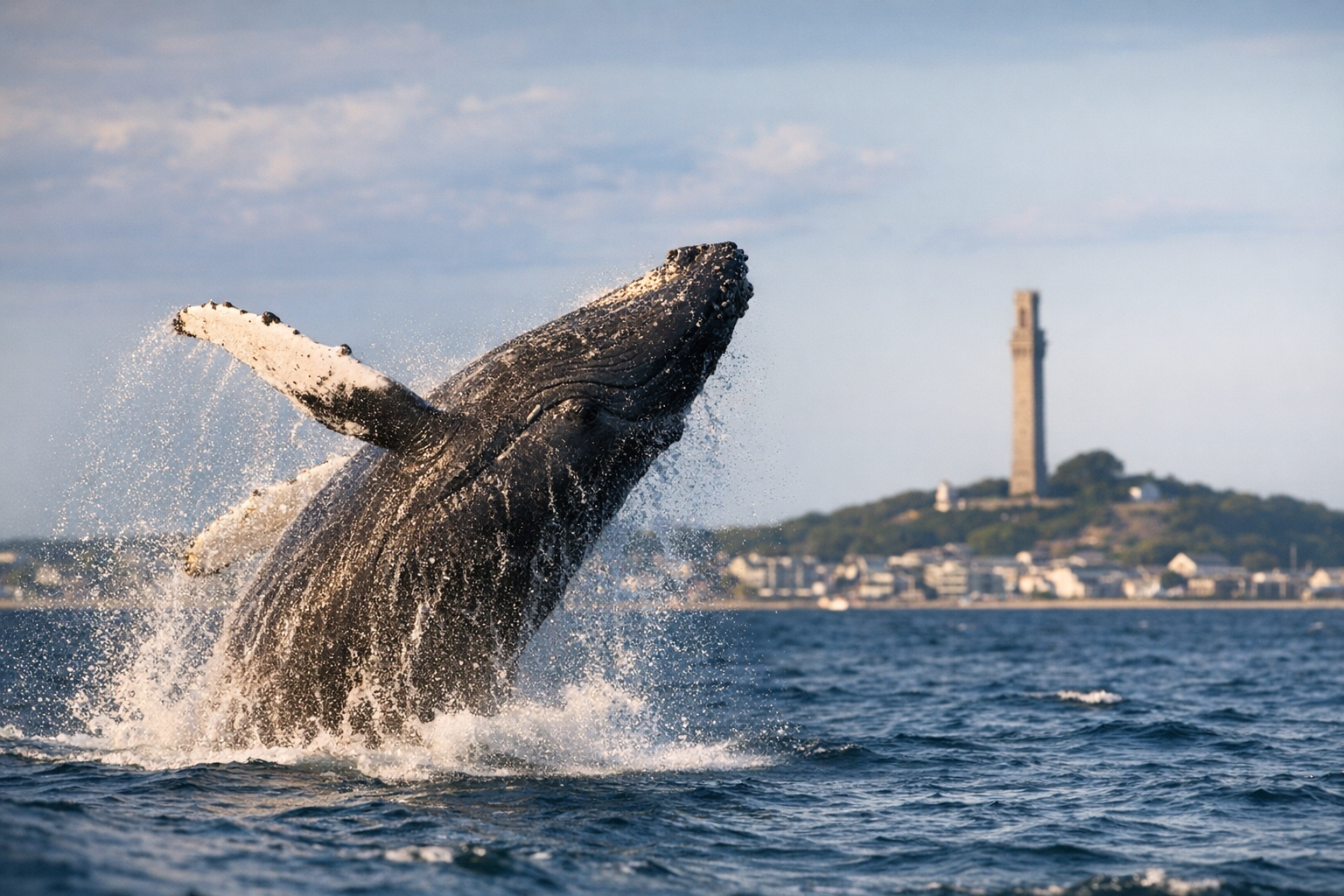
Cape Cod has more than 130 miles of coastline, and not all of it is created equal. Understanding the difference between Atlantic-facing, Bay-facing, and Sound-facing beaches will shape your entire beach experience.
National Seashore Beaches — The Atlantic Coast The crown jewel of Cape Cod's beach collection sits within the Cape Cod National Seashore. Coast Guard Beach in Eastham has won the Dr. Beach award for best US beach multiple times — a designation not handed out casually. The beach is accessible by shuttle from the Salt Pond Visitor Center in summer, as direct parking is extremely limited. Plan to arrive early or board the shuttle without complaint; the payoff is worth it. Nauset Light Beach, also in Eastham, is equally spectacular, with a 50-space parking lot that fills before 8am on summer mornings — 7:30am arrival is the local standard. National Seashore beaches charge $25 per day for parking, $55 per week, or $85 per season; the America the Beautiful annual pass at $80 covers all NPS sites nationally and pays for itself on a single Cape Cod vacation.
Race Point Beach at the very tip of Provincetown faces west across Cape Cod Bay and delivers the Cape's finest sunsets, along with frequent whale sightings visible from shore. Herring Cove Beach, also in Provincetown, offers calmer surf than Race Point and has long been a welcoming gathering place for the LGBTQ+ community.
Cape Cod Bay Beaches — Tidal Flats and Calm Water Skaket Beach in Orleans is the essential family beach on the Bay side, where tidal flats extend a full mile at low tide and water depths stay child-safe for hundreds of yards. The ritual of walking the exposed flats at low tide with small children hunting crabs and moon snails is one of Cape Cod's quintessential summer experiences. Non-resident parking runs $30 per day. Chapin Beach in Dennis offers similarly dramatic tidal flats and the kind of otherworldly low-tide landscape that stops adults in their tracks.
Nantucket Sound Beaches — Warmest Water The south-facing beaches along Nantucket Sound consistently record the Cape's warmest water temperatures, sometimes reaching 74 to 76°F in August. Craigville Beach in Centerville is one of the Cape's longest and most popular Sound beaches, with $30-per-day non-resident parking. Harwich Port's town beach and the cluster of Dennis Port beaches along Route 28 offer similar conditions with slightly less congestion.
Freshwater Swimming: The Kettle Ponds Cape Cod sits atop one of the largest glacially deposited aquifers in the eastern United States, and the evidence shows in 365 freshwater kettle ponds scattered across the peninsula. Gull Pond in Wellfleet is widely regarded as the most beautiful, a clear-water glacial depression ringed by oaks and pitch pines where the swimming rivals any beach on the Cape. Long Pond in Brewster and Cliff Pond inside Nickerson State Park are other favorites. These ponds are warmer and calmer than ocean beaches, entirely free of jellyfish, and — outside of peak morning hours — significantly less crowded.
Plan this trip
Top Activities and Attractions on Cape Cod
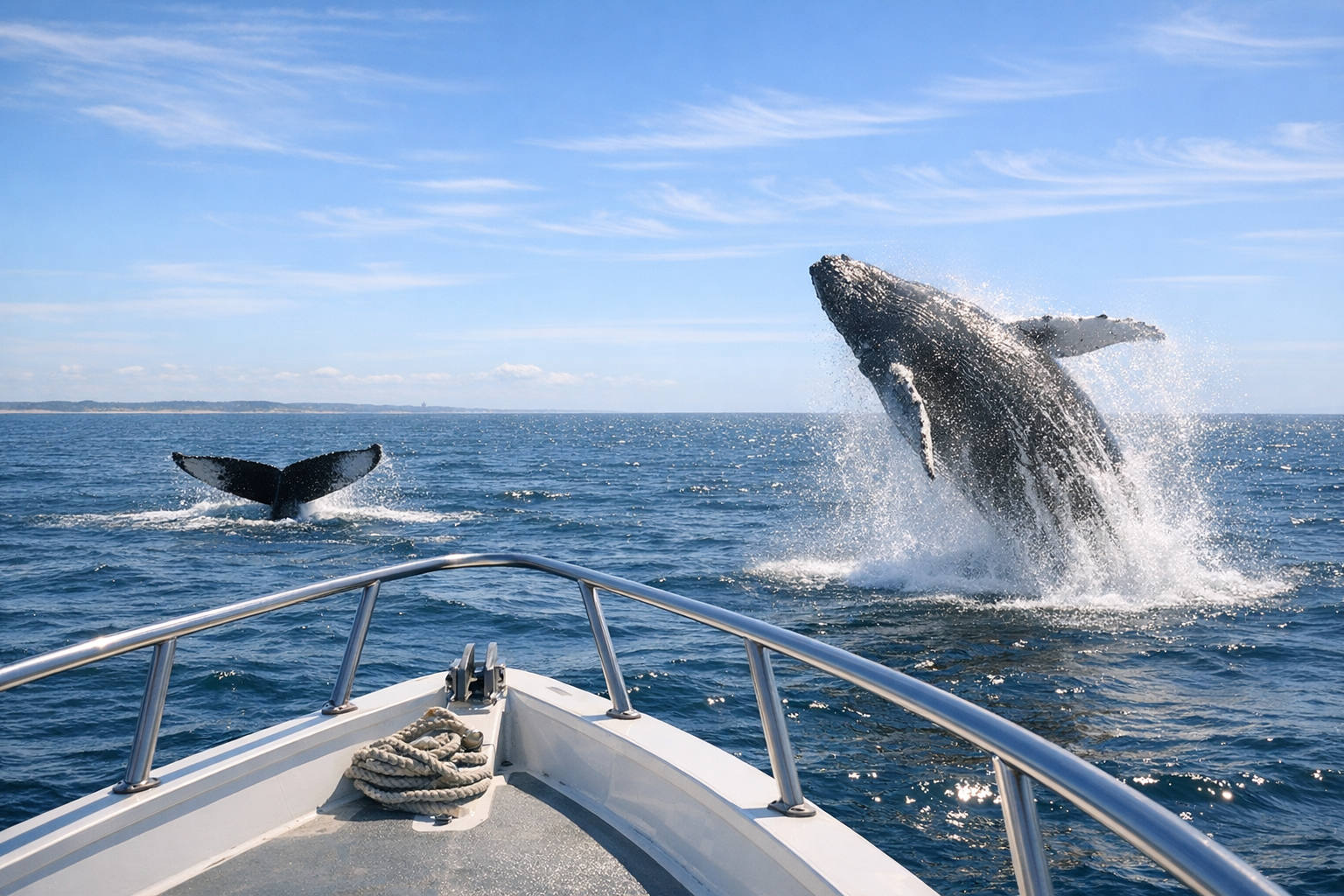
Cape Cod's activities divide neatly between the ocean-facing adventure economy and the cultural heritage that runs surprisingly deep for what outsiders sometimes dismiss as a beach destination.
Whale Watching Stellwagen Bank National Marine Sanctuary, roughly eight miles off Provincetown, is one of the most productive whale feeding grounds on the Atlantic coast. The Dolphin Fleet Whale Watch, operating from MacMillan Pier in Provincetown, runs the largest operation on the Cape with Center for Coastal Studies naturalists aboard every trip. Adult tickets run $58 to $65, children 5 to 12 pay $42 to $48, and trips last three and a half to four hours. Humpbacks, finbacks, minkes, and the critically endangered North Atlantic right whale are all regular sightings from June through October. Book the first or last trip of the day for the most dramatic light.
Lighthouses The Cape's lighthouses range from roadside icons to genuinely remote adventures. Nauset Light in Eastham opens for tours on weekends from May through October — free, with donations welcomed. Cape Cod Highland Light in Truro, the tallest lighthouse on the Cape at 66 feet, was physically moved 453 feet inland in 1996 as coastal erosion threatened its foundation — one of the most remarkable preservation stories in American architecture. Tours run $5 for adults, $1 for children. Race Point Light at the outer tip can be reached by a 1.5-mile walk or 4WD vehicle, and overnight stays are available through the American Lighthouse Foundation for the truly committed.
Biking The 22-mile Cape Cod Rail Trail from Dennis to Wellfleet is the backbone of Cape cycling — flat, paved, and passing through the best of the Lower Cape's pine-and-pond landscape. Bike rentals cost $30 to $45 per day from numerous shops along the route. The Province Lands Trail in Provincetown covers seven miles of paved cycling through surreal dune terrain and connects to some of the most visually dramatic cycling on the East Coast. The Shining Sea Bikeway in Falmouth runs 10.7 miles along the shoreline to Woods Hole, where the ferry departs for Martha's Vineyard.
Kayaking and Paddleboarding Pleasant Bay in Orleans and Chatham is the Cape's premier flatwater kayaking destination — a 4,000-acre protected estuary with islands, channels, and osprey nests. Goose Hummock in Orleans rents kayaks at $65 to $80 per half day and offers guided tours. The Wellfleet Bay Wildlife Sanctuary, operated by Mass Audubon, runs guided kayak tours of salt marshes for $45 to $55 per person, pairing paddling with genuine natural history education.
Culture and History Provincetown has operated as a serious artists' colony since 1899, when Eugene O'Neill premiered his first plays in a converted fish house on the wharf. The Provincetown Art Association and Museum charges $15 for adults and opens free every Friday evening from 5 to 8pm. The Pilgrim Monument — a 252-foot granite tower, the tallest all-granite structure in the United States — offers panoramic views for $20 adults and $12 children after a climb of 60 ramps and 116 steps. Sandwich, the oldest incorporated town on the Cape (1637), is home to the Heritage Museums and Gardens, where 100 acres of themed gardens surround a collection of more than 30 antique automobiles and a working 1912 carousel; admission is $25 adults, $15 children. The Sandwich Glass Museum documents the town's 19th-century pressed glass industry with glassblowing demonstrations for $12 adults.
Free and Low-Cost Events Chatham's Friday evening band concerts at Kate Gould Park, running from late June through August, are free, family-friendly, and perpetually packed — arrive by 6pm to claim a seat. Watching fishing boats unload their catches at Chatham Fish Pier on any weekday afternoon costs nothing and provides an authentic look at the working watermen's economy that predates tourism by centuries. Seals regularly haul out on the harbor bars within easy viewing distance.
Getting Around Cape Cod: Transportation and Car Rental
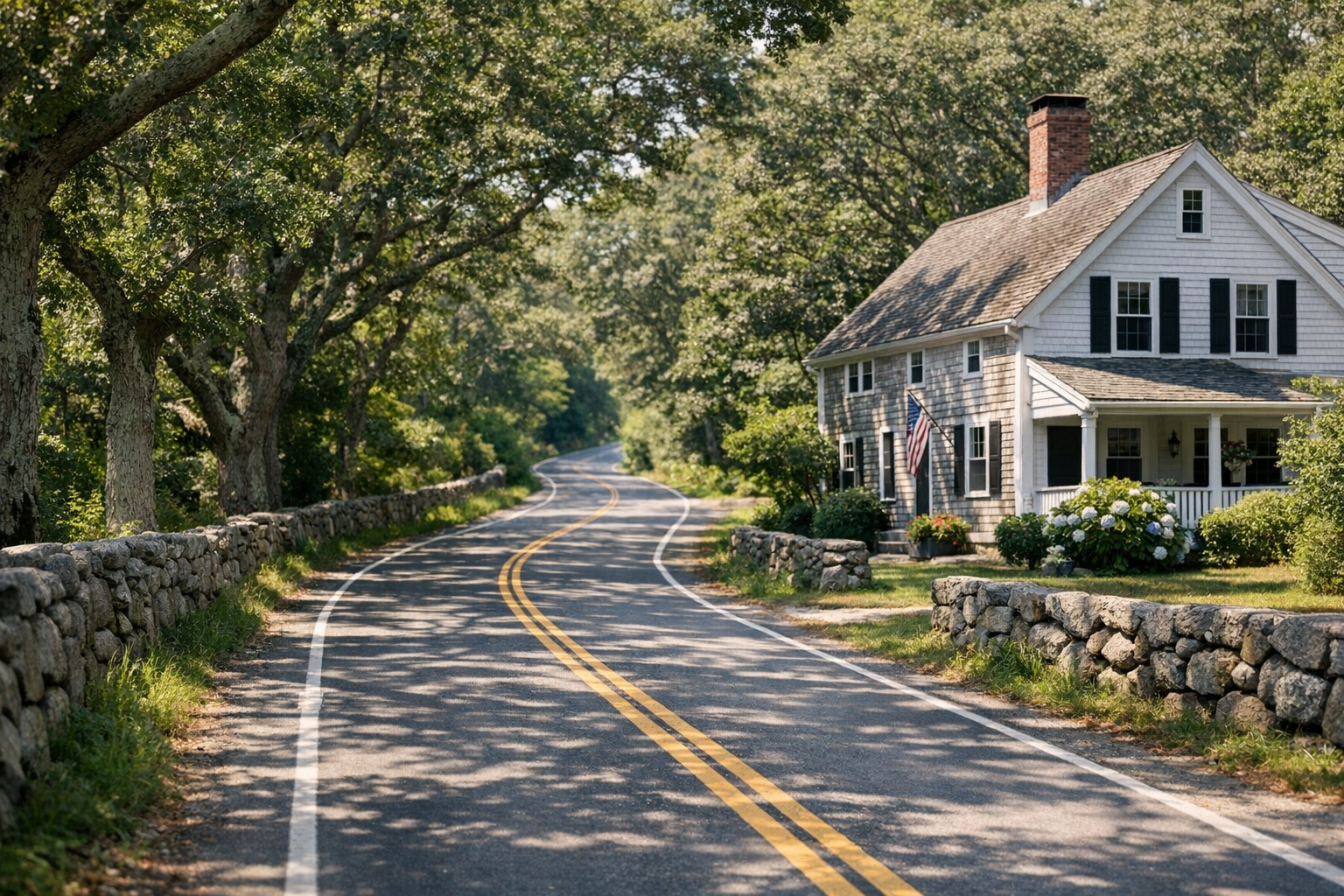
Cape Cod is not a destination where you can comfortably rely on public transportation for the full range of experiences it offers. A personal vehicle — whether your own or a rental — is effectively essential for reaching beaches, restaurants, and attractions distributed across the peninsula's 65 miles.
The Cape Cod Regional Transit Authority (CCRTA) operates the Flex service and the SeaLine bus, which connects Hyannis to Falmouth and Woods Hole, but coverage is limited and schedules are infrequent. Provincetown is the one notable exception: in peak summer the town is pedestrian and bicycle-scale, parking is expensive ($3 to $4 per hour at the town lot), and many visitors wisely choose to arrive by the Bay State Cruise Company or Steamship Authority ferry from Boston or Plymouth rather than drive at all.
For travelers flying into Boston Logan or Providence TF Green, renting a car is the standard approach. Both airports are roughly 75 to 90 minutes from the Sagamore Bridge under normal conditions — build in additional time for Friday afternoon departures, when Route 3 south backs up well before the bridge. Route 6 is the backbone highway running the length of the Cape, transitioning from divided highway to two lanes as it reaches the Outer Cape. Route 28 is the slower, more commercial parallel route along the south side. Route 6A — the Old King's Highway — is the most scenic route through the north side, passing through Sandwich, Barnstable, Dennis, and Brewster with antique shops, orchards, and salt marsh views.
For your Cape Cod vacation transportation, booking a rental car in advance — particularly for summer peak weeks — is as important as booking your accommodation. Rates spike substantially when reserved within a week of travel. Compact and mid-size vehicles work fine; if you plan to access 4WD-only beaches like Sandy Neck or Race Point, a high-clearance SUV and the appropriate vehicle beach permit ($20 to $25 for a season sticker, available at the National Seashore) are required.
For travelers arriving from Boston who want to reach the Outer Cape without driving, the Plymouth & Brockton bus service runs to Hyannis, Orleans, and Provincetown — a legitimate option for car-free travelers staying in those towns.
Plan this trip
Food, Drink, and the Cape Cod Dining Scene

Cape Cod's food culture runs deeper than the clam shack cliché, though the clam shack cliché exists for excellent reasons. Fried clams — specifically whole-belly clams, not strips — are as non-negotiable a Cape Cod experience as a beach day. The Clam Shack in Falmouth and Arnold's Lobster & Clam Bar in Eastham are among the most respected names in that category, with lines that routinely stretch past an hour on summer weekends. Plan for it, or arrive at opening.
The oyster culture on the Outer Cape has become genuinely world-class. Wellfleet oysters in particular have achieved the kind of regional prestige that Dungeness crab commands in the Pacific Northwest. The tidal flats and cold, clean water of Wellfleet Harbor produce oysters with a specific mineral brine that oyster geeks travel specifically to experience. Mac's Seafood in Wellfleet and Mac's Shack serve these oysters direct from the grant, alongside raw bars stocked with local clams, littlenecks, and quahogs.
Fine dining reaches genuine ambition in Chatham and Provincetown. The Chatham Bars Inn's dining program, led by executive chefs who source from local farms and fishing boats, represents the Cape's most polished kitchen. In Provincetown, The Red Inn on the waterfront and Ciro & Sal's — the latter in continuous operation since 1951 — anchor the fine dining conversation. The addition of younger chef-driven restaurants in Ptown has expanded the scene considerably over the past decade.
For groceries and self-catering (essential for rental guests trying to manage food costs), Shaw's and Stop & Shop operate throughout the Mid Cape. Hatch's Fish Market in Wellfleet and Nauset Fish & Lobster Pool in Orleans are the best local fish markets for fresh catches to cook at your rental — buying a two-pound lobster and cooking it in your kitchen is one of the more honest pleasures of a Cape vacation.
Planning Your Cape Cod Vacation: Practical Tips

A few hard-won logistics can separate a smooth Cape Cod vacation from an exhausting one.
Bridge Strategy: If you're driving from the Boston area or anywhere north, the Sagamore Bridge funnels Route 3 traffic; the Bourne Bridge captures Route 25 and 195 traffic from Providence and New York. In heavy summer traffic, the Bourne Bridge often moves faster — locals know this. Never plan to cross either bridge between noon and 8pm on a Friday in July or August without factoring in up to two to three hours of delay.
Beach Parking: Non-resident beach parking on Cape Cod is not cheap — $25 to $40 per day at most town beaches is standard. If you're staying for a full week and plan to beach daily, look for towns that sell non-resident weekly passes ($75 to $150). The National Seashore's $85 annual vehicle pass or the $80 America the Beautiful national parks pass is the single best value available to any Cape visitor who plans more than three beach days at National Seashore beaches.
Dining Reservations: Peak-season restaurant reservations at any mid-range or upscale establishment should be made before you leave home. OpenTable and Resy cover most Cape restaurants; call directly for smaller inns and B&Bs with dining rooms. Friday and Saturday evenings book out weeks in advance in July.
Fishing Licenses: Massachusetts requires licenses for both freshwater and saltwater fishing. Non-resident licenses cost $27.50 for three days or $38 for seven days and can be purchased online through mass.gov before arrival.
Packing for Older Cottages: Many beloved Cape Cod rentals are genuine mid-20th-century cottages with charm and character that comes with certain limitations. Pack a box fan if your rental lacks confirmed AC. Bring beach towels and ask the rental agency whether bath linens are included — the answer varies widely. A portable beach wagon for hauling gear across soft sand is worth its weight in saved trips.
Cell Service: Verizon and AT&T provide reasonable coverage across the Mid and Lower Cape, but coverage degrades noticeably in parts of Truro and can be spotty at some Outer Cape beaches. Download offline maps before heading to Race Point or the Province Lands.
For those planning multi-destination New England trips, Cape Cod pairs naturally with ferry excursions to Martha's Vineyard (45 minutes from Hyannis via Steamship Authority) or Nantucket (one hour from Hyannis). Both islands offer dramatically different characters from the Cape itself and are worth at least a day trip if not an overnight extension of your itinerary.
Plan this trip
Frequently Asked Questions
For peak-season weeks in July and August, book by January or February. The most desirable waterfront properties are often claimed by returning renters before listings go public. For shoulder-season stays in September and October, you have more flexibility, but popular rentals in Chatham, Wellfleet, and Provincetown still fill quickly. Off-season stays (November through April) can typically be booked one to four weeks in advance.
Peak-season (July–August) rates depend heavily on size and location. A one-bedroom cottage typically runs $1,800 to $4,500 per week; a two- to three-bedroom house runs $3,500 to $9,000; larger beach houses sleeping eight or more range from $6,000 to $25,000+. Add 8 to 12% for Massachusetts short-term rental taxes. September and October rates drop 25 to 45% below peak.
Not always — and this trips up first-time renters more than any other logistics detail. Traditional Cape Cod cottage rentals frequently do not include bath towels or bed linens. Confirm explicitly with your rental platform or agency before booking. Many properties offer a linen package for an additional fee ($75–$150), and some newer Airbnb-style rentals include linens as standard.
Cape Cod Bay beaches are the best choice for families with small children. Skaket Beach in Orleans features tidal flats that extend a full mile at low tide, keeping water depths extremely shallow and safe. Chapin Beach in Dennis offers similarly gentle conditions. On the Nantucket Sound side, Craigville Beach and Harwich Port town beach offer calm, warm water. The freshwater kettle ponds — especially Gull Pond in Wellfleet and Long Pond in Brewster — are also excellent for young swimmers: warm, calm, and jellyfish-free.
For most visitors, yes. Public transportation on the Cape is limited, and beaches, restaurants, and attractions are spread across a 65-mile peninsula. The exception is Provincetown, which functions as a walkable and bikeable town in summer — many visitors arrive there by ferry from Boston rather than driving. For everywhere else on the Cape, a rental car or your own vehicle is the practical necessity.
Non-resident parking at Cape Cod town beaches typically costs $25 to $40 per day. National Seashore beaches charge $25 per day, $55 per week, or $85 per season. The America the Beautiful national parks annual pass ($80) covers all National Seashore beaches and is the best value for any visitor planning three or more days at Seashore beaches. Some towns sell non-resident weekly parking passes for $75 to $150.
The Cape Cod Rail Trail is a 22-mile paved cycling path running from Dennis to Wellfleet, passing through Harwich, Brewster, Orleans, and Eastham. It follows the former Old Colony Railroad corridor and is almost entirely flat, making it accessible to all fitness levels. Access points with parking exist in Dennis, Harwich, Brewster, Orleans, and Eastham. Bike rentals are available from numerous shops along the route at $30 to $45 per day or $120 to $180 per week.
Absolutely, provided you book with an operation that employs professional naturalists and operates on the right grounds. The Dolphin Fleet Whale Watch out of Provincetown runs naturalists from the Center for Coastal Studies aboard every trip and targets Stellwagen Bank, one of the most productive humpback whale feeding areas on the Atlantic coast. Sightings are not guaranteed, but success rates from June through October are extremely high — multiple whale and dolphin encounters per trip are the norm, not the exception.