
Why San Diego Works for Every Kind of Traveler in 2026
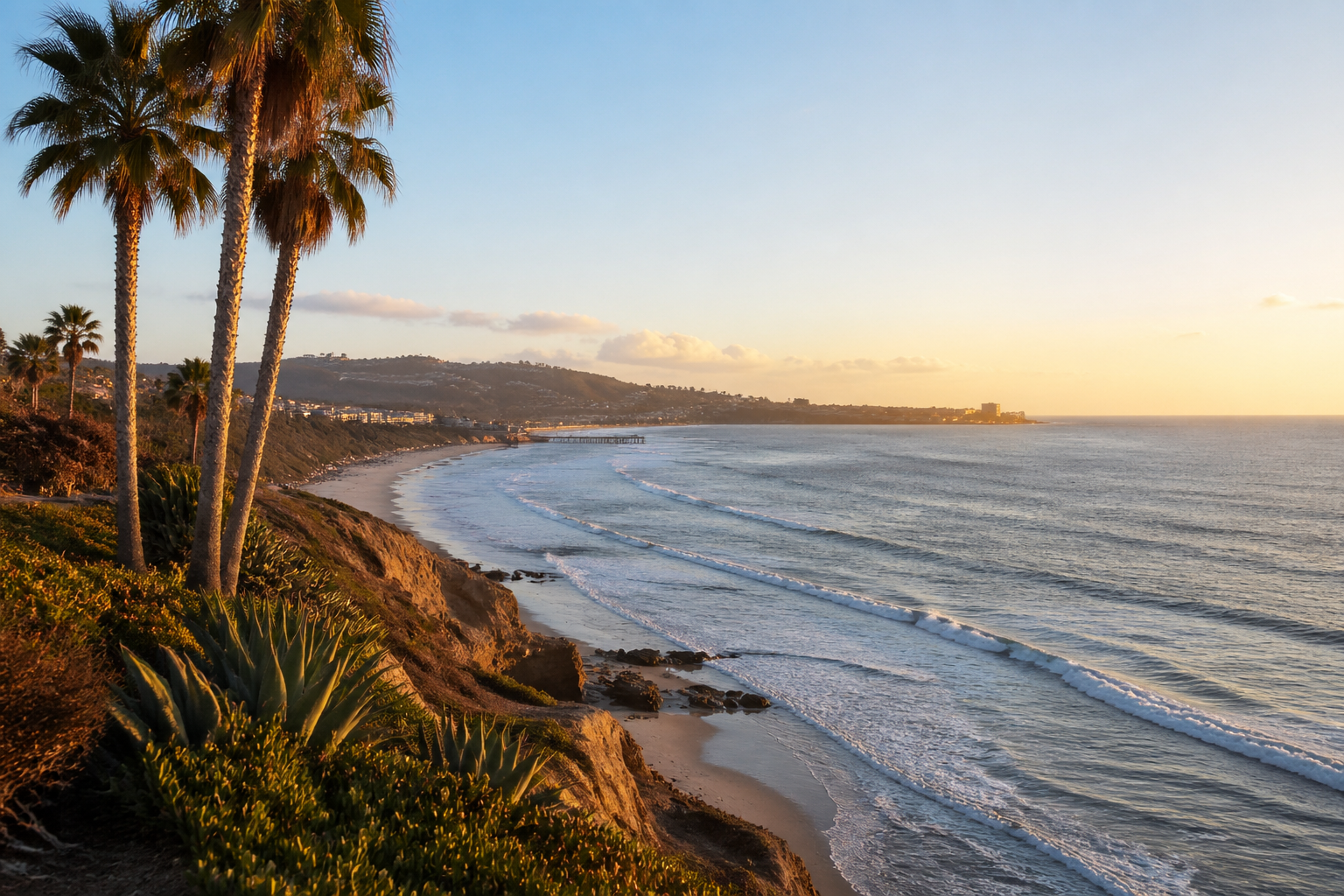
San Diego sits in a climate sweet spot most American cities only daydream about. The thermometer hovers around 70 degrees nearly every day of the year, the marine layer burns off by lunchtime, and 70 miles of coastline run uninterrupted from Oceanside down to the Mexican border. We have visited in February and August and packed roughly the same suitcase both trips.
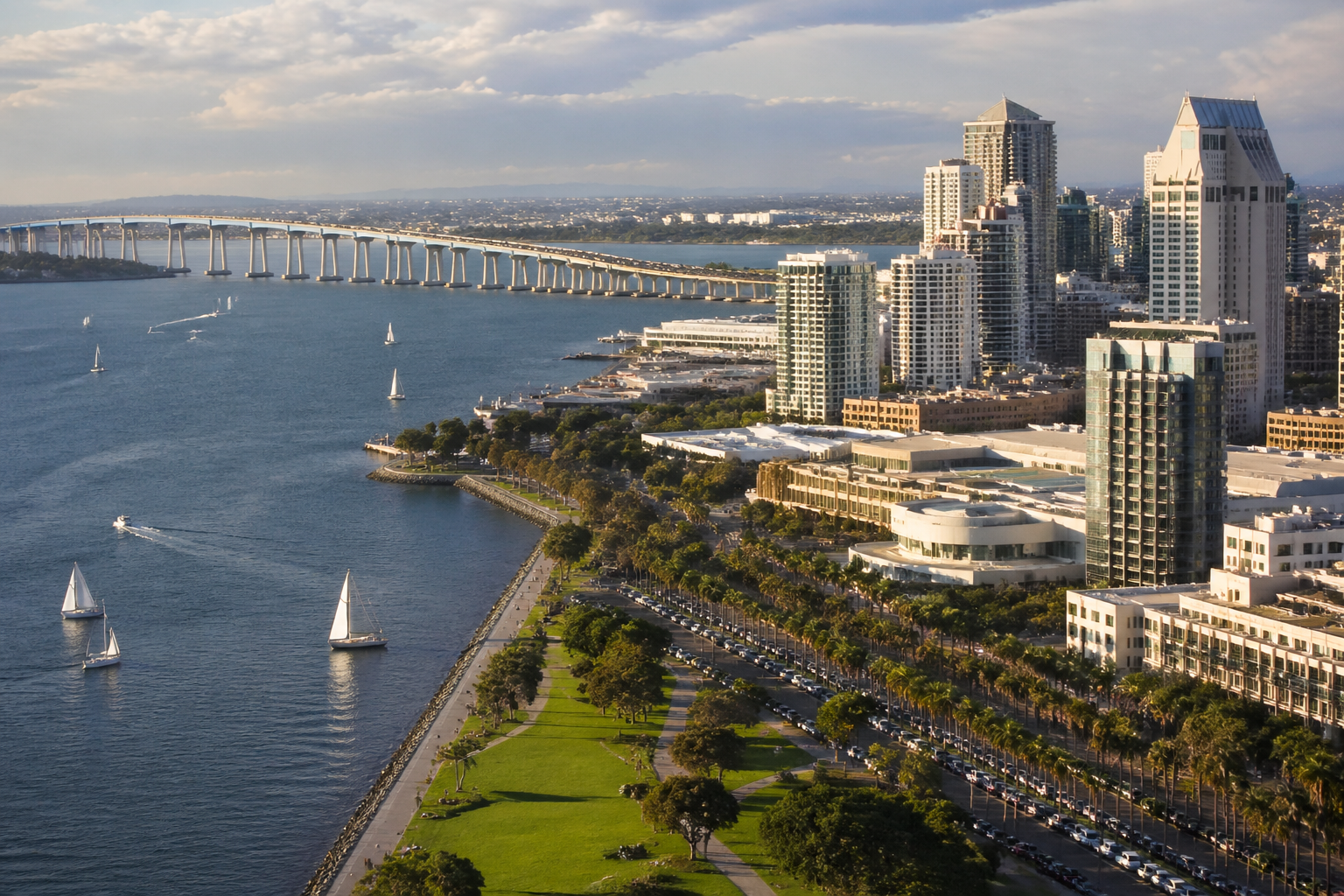
What sets San Diego apart from California's other big draws is how compact the city feels despite its size. Los Angeles sprawls for two hours in any direction and the freeways punish you for trying to see more than one neighborhood a day. San Francisco is colder, wetter, and more expensive once you factor in parking. San Diego splits the difference. You can wake up in a downtown high-rise, surf in Pacific Beach by 9 a.m., eat lunch in La Jolla, and watch the sunset from Coronado without ever spending more than 25 minutes in the car.
The neighborhoods themselves give the city its real personality. The Gaslamp Quarter is the nightlife and convention engine, dense with rooftop bars and 1880s brick. La Jolla feels like a Mediterranean fishing village that wandered onto a postcard. Coronado plays the part of an old-money beach resort with the Hotel del Coronado as its crown. Pacific Beach is younger, louder, more flip-flop. North Park is where the craft beer crowd and the food trucks live. Each one earns a day on its own.
2026 is also a particularly strong year for events. The USS Midway Museum crossed its 20-millionth visitor in late 2025 and added a new flight simulator wing. Petco Park's concert season runs from May through September with stadium-headliner acts most weekends, and the Padres return from a respectable 2025 wild card run with what looks like a deeper bullpen. If you have been putting off a San Diego trip waiting for the right year, this is the one.
San Diego's Best Beaches: La Jolla, Coronado, Pacific & Mission
The beach you pick sets the tone for the whole trip. We tell first-time visitors to plan on at least three different ones — the coastline changes character every few miles and skipping that variety is the most common rookie mistake.
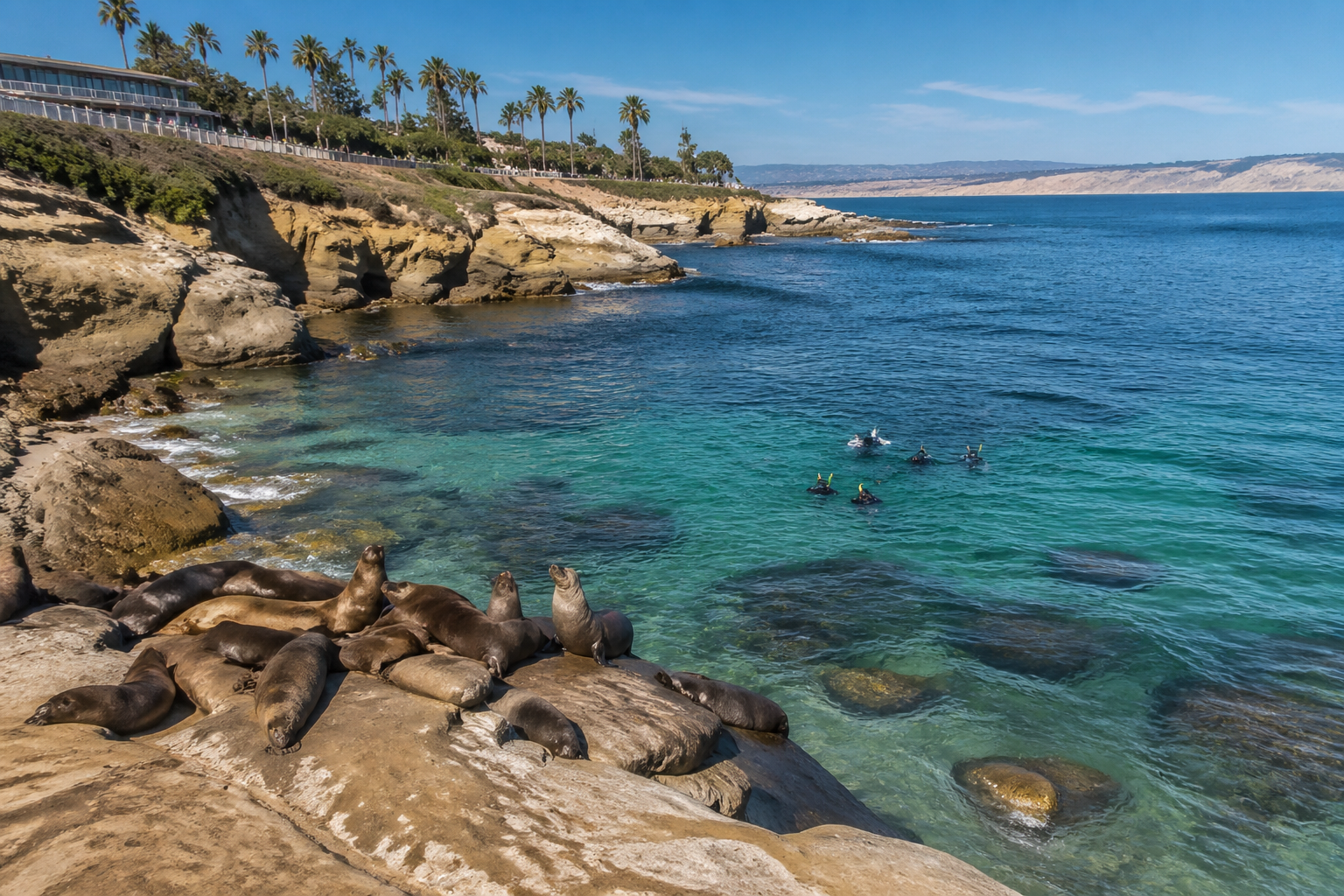
La Jolla Cove is the snorkeling and tide-pool headquarters. The sea lions own the rocks at the Children's Pool, the leopard sharks come close to shore from June through October, and the kelp forest a hundred yards off the cove is one of the few spots in California where decent visibility is the rule rather than the exception. Parking is the catch. Pay-to-park lots run about $5 per hour with a four-hour cap and the meters book up by 9 a.m. on summer weekends. We aim for an arrival before 8 a.m., which conveniently lines up with the best low-tide pools in the pre-summer months.
Coronado Beach is the family postcard. The sand has a faint gold sparkle from mica deposits, the Hotel del Coronado provides the Victorian backdrop, and Glorietta Bay on the harbor side gives you flat, warm-water swimming for nervous toddlers. Skip the bridge and ride the Coronado Ferry from Broadway Pier — it runs every hour, costs about $7 round trip, and includes a free skyline view of downtown.
Pacific Beach is where you go to surf, walk the boardwalk, and eat fish tacos within 50 feet of the sand. The waves are forgiving for beginners and Mission Bay rentals will bring boards to your hotel. Mission Beach next door adds the wooden Belmont Park rollercoaster that has been running since 1925 — a $9 ride that we still budget into every family visit.
For seclusion, Black's Beach below Torrey Pines is technically clothing-optional, accessible by a steep cliff trail, and stays empty even in August. The hike down keeps the casual crowds out. Bring water and shoes you do not mind sandy.
Where to Stay: Vrbo Vacation Rentals by Neighbourhood
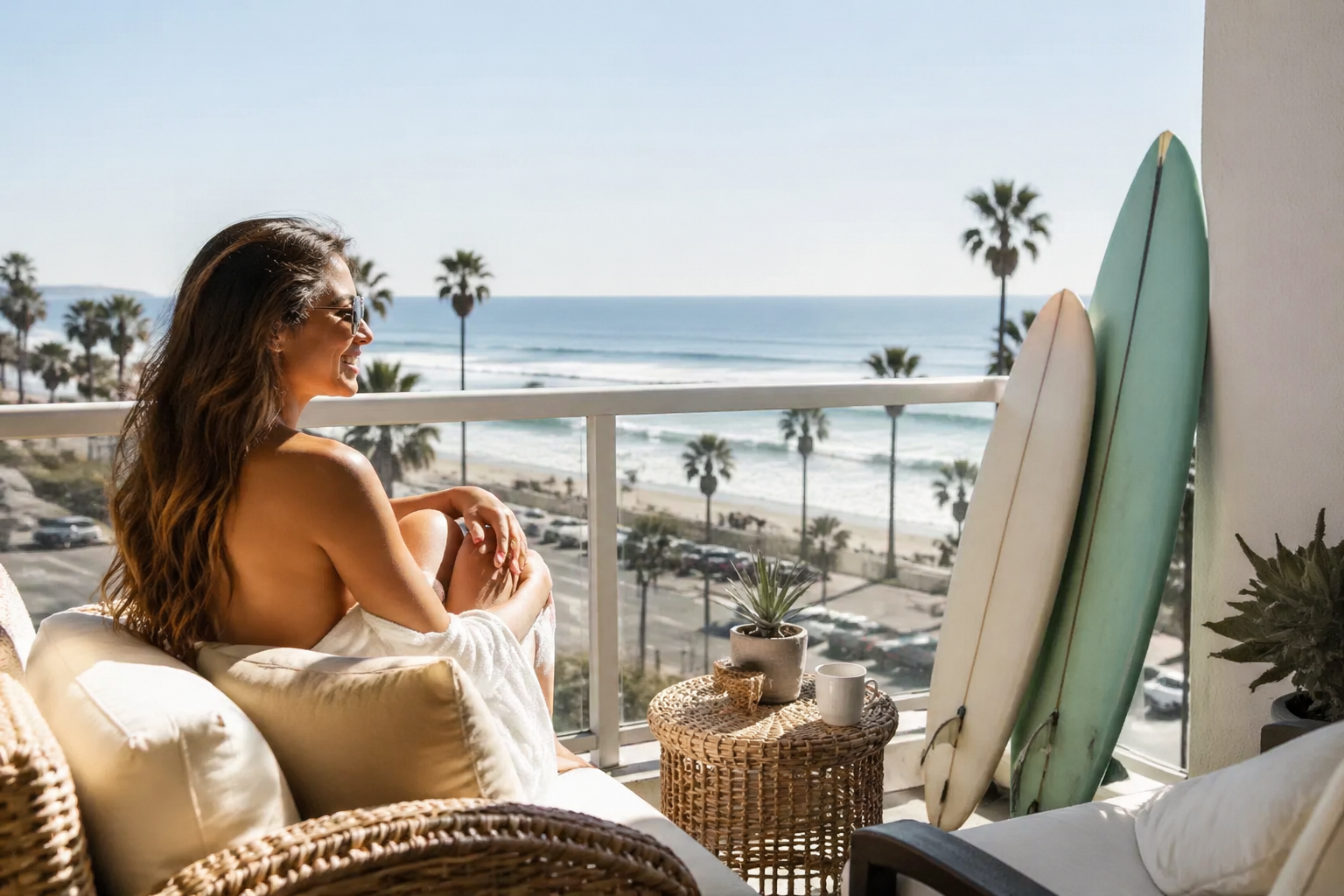
Hotels are easy in San Diego. Vrbo is smarter. For families and groups of four or more, the math almost always tips toward a vacation rental once you factor in a real kitchen, a washer-dryer, and the difference between paying for one bedroom or three. We recommend pricing rentals on Vrbo first and comparing against hotels only as a sanity check.
Pacific Beach is the rental sweet spot for travelers who want to walk to the sand and to bars at night. Expect $200 to $400 per night for a two-bedroom condo within four blocks of the boardwalk. The trade-off is noise — PB does not get truly quiet until around 1 a.m. on weekends. Mission Beach next door is calmer, more family-oriented, and runs a similar price band, with classic two-story beach cottages directly on the boardwalk.
La Jolla is the splurge. Oceanfront homes in the Village or up on Mount Soledad easily run $400 to $900 per night and the high end clears four figures. The justification is the view, the walkability to restaurants, and the safer school-night vibe for travelers who want a quieter base. We have stayed in a one-bedroom near Windansea Beach for $385 a night in May and felt it was money well spent.
Coronado falls in the middle at roughly $300 to $600 per night for a two-bedroom within walking distance of Orange Avenue. The island is its own self-contained vacation. You will not need a car if your only requirement is beach and bike.
Hillcrest and North Park are the urban-hipster options for travelers who would rather have walkable craft beer and brunch than a beach right outside the door. Rentals here are noticeably cheaper — $180 to $300 per night for a two-bedroom — and rideshares to the coast run under $20.
For travelers who prefer a hotel, we still rate The US Grant downtown, the Hotel del Coronado for the heritage stay, and the Lodge at Torrey Pines for the golf-and-cliffs splurge. But compare Vrbo rentals first — for families staying four nights or more, the savings buy an entire extra day of activities.
Plan this trip
Things to Do: Balboa Park, USS Midway, Old Town, Coronado
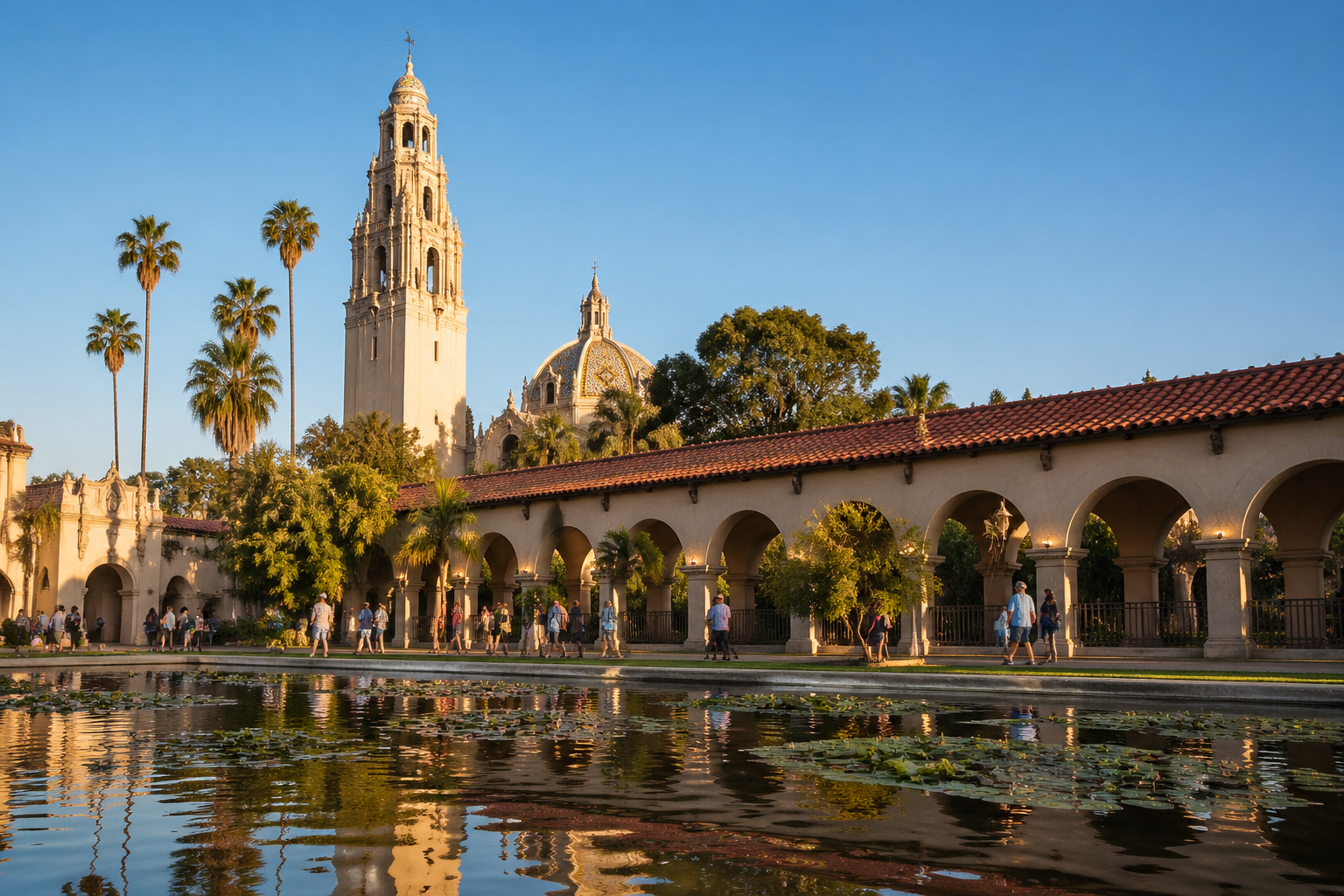
San Diego rewards travelers who plan attractions in clusters by neighborhood. Trying to hit Balboa Park, the harbor, and Coronado in a single day will eat hours in transit. Better to assign one anchor attraction per day and let the rest fall into place around it.
Balboa Park is the obvious headline. The 1,200-acre park holds 17 museums, the San Diego Zoo, Spanish Colonial architecture from the 1915 expo, and free public gardens that rival any city park in the country. The Balboa Park Explorer multi-day pass runs $69 and gets you into all 17 museums over seven days. The Zoo is sold separately at $72 for adults and $62 for children. Plan a full day here, eat lunch at the Prado, and leave the kids time for the carousel and the model railroad.
The USS Midway Museum sits a five-minute drive away on Navy Pier and is the city's best rainy-day backup at $35 per adult. Plan three hours minimum. Pair it with Seaport Village, the Embarcadero walk, and a sunset on the Top of the Hyatt.
Old Town State Historic Park is free, walkable, and home to the original 1820s Mexican-American settlements that pre-date statehood. The Mexican food in the park itself is the catch — Casa de Reyes and Old Town Mexican Cafe serve the kind of carnitas you came to California for. We treat Old Town as a half-day add-on rather than a destination.
Coronado is its own day. Take the ferry, rent bikes at Holland's Bicycles for about $30 a day, and ride the eight-mile loop around the island, finishing with a drink on the Hotel del Coronado's veranda.
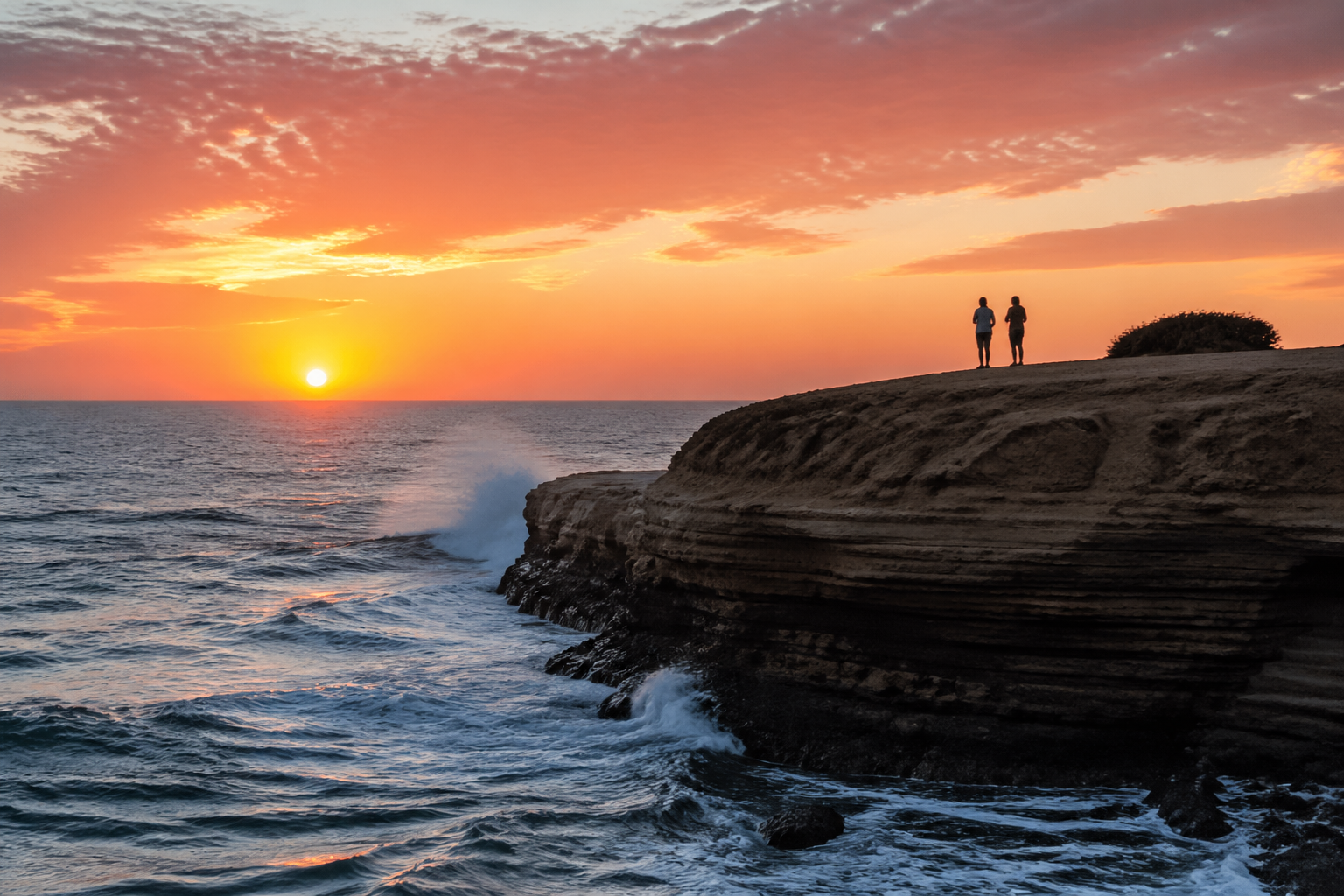
For seasonal extras, Hornblower whale-watching from December through April runs $55 and reliably delivers gray whale sightings within two hours. Petco Park ballpark tours run $25 year-round. Sunset Cliffs Natural Park costs nothing and is the city's best free sunset. We recommend booking timed-entry tickets for the Zoo and Midway in advance — both regularly sell out their morning slots in summer.
Getting Around: Rent a Car or Stay Walkable?
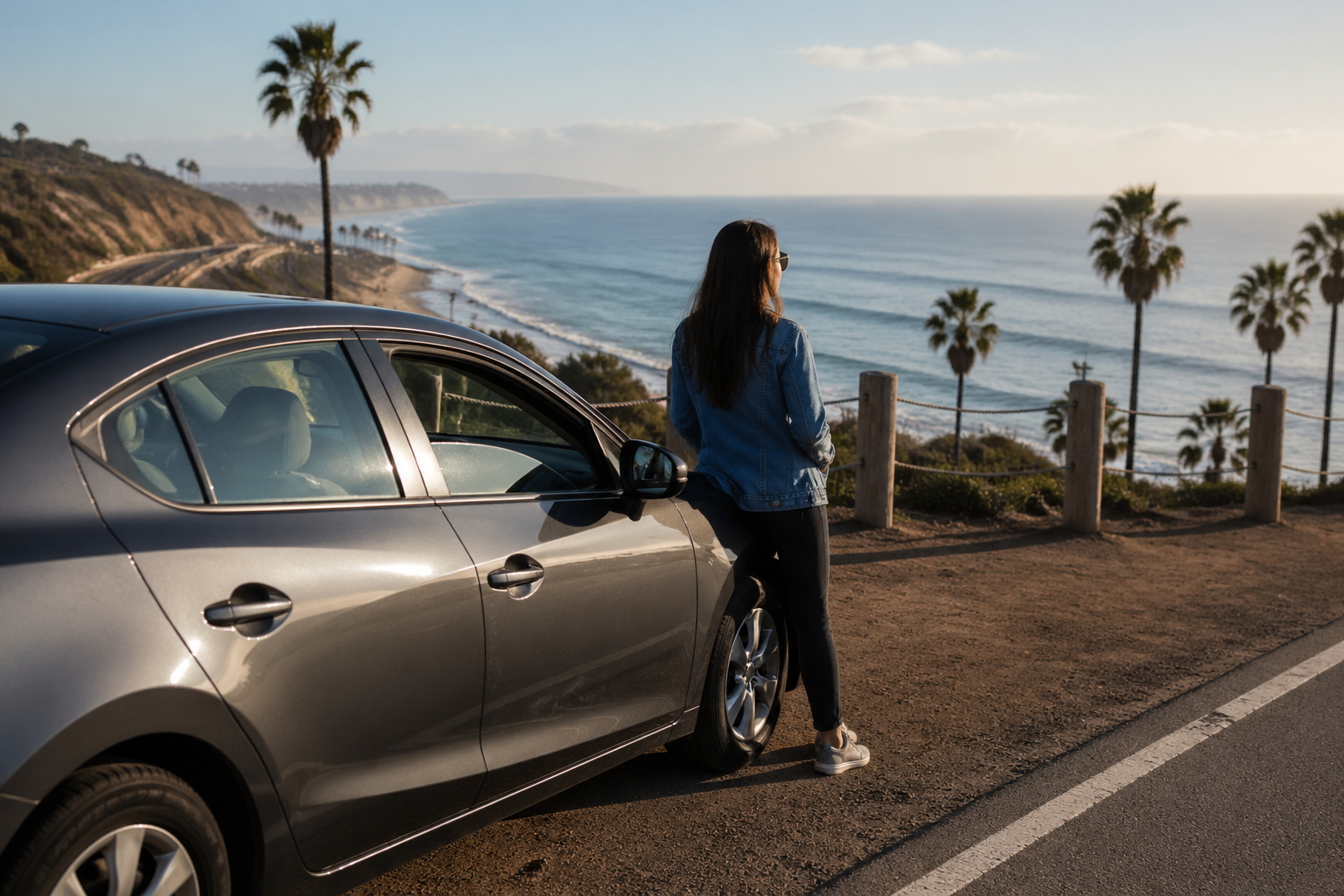
San Diego is car country. The neighborhoods are charming on foot, but the distances between them are real — La Jolla to Coronado is 14 miles and on a Friday afternoon takes 45 minutes. Most travelers rent a car at SAN airport, where the rental terminal sits a five-minute shuttle from baggage claim and rates run $40 to $75 per day for a midsize in spring and fall, climbing to $90+ in July and August.
We recommend pricing rentals through EconomyBookings before booking direct with the chain — the aggregator's prepaid rates regularly run 25 to 40 percent below the rack rate at the same Hertz or Enterprise counter, especially for week-long bookings. Reserve early for summer; SAN sells out economy and compact classes routinely in late June.
The Trolley is useful but limited. The Blue and Green lines cover downtown, Old Town, Mission Valley, and the San Ysidro border crossing for a flat $2.50 fare. They do not reach La Jolla, Pacific Beach, Mission Beach, or Coronado — which is to say, they do not reach the beaches most visitors actually want. Treat the Trolley as a backup for downtown-only days.
If you plan to base yourself in a single walkable neighborhood — Coronado, La Jolla Village, or downtown's Gaslamp — you can genuinely skip the rental car. The math works like this: a week of rental-plus-parking runs $400 to $600. Rideshares across town typically cost $20 to $35 each way. If your itinerary is six excursions or fewer, rideshare comes out ahead. If you plan to hit Balboa Park, Coronado, La Jolla, and Sea World separately, rent the car.
Parking is the silent budget killer. Hotel valet runs $40 to $55 per night in the Gaslamp and downtown. Vacation rentals in PB and Mission Beach almost always include one driveway space; confirm in the listing. La Jolla street parking is metered but free after 8 p.m.
Plan this trip
Where & What to Eat: Mexican, Seafood, Craft Beer
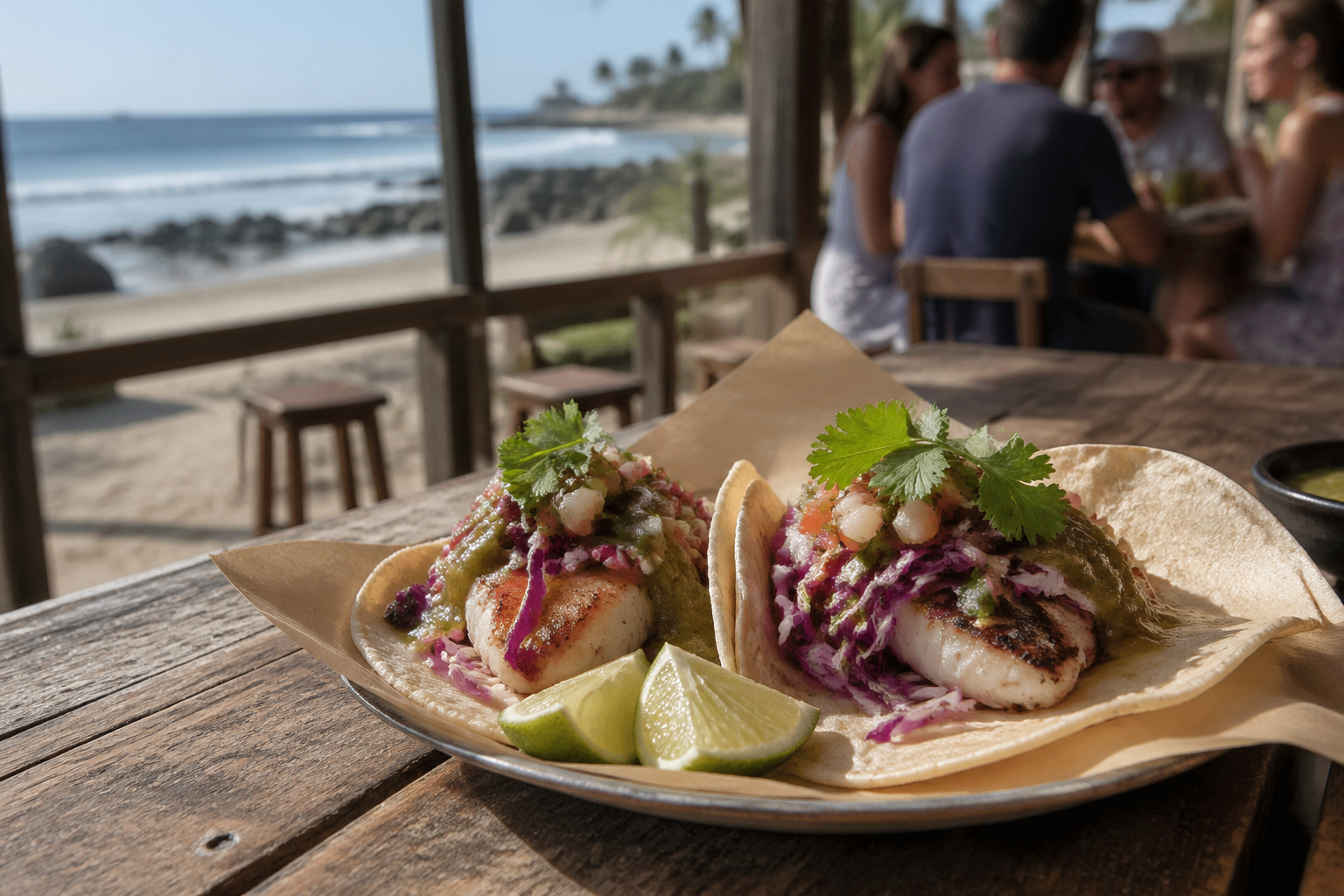
San Diego's food scene runs on three engines: Tijuana-influenced Mexican, Pacific seafood, and the craft beer movement that put the city on every brewer's map two decades ago. You can build an entire week of meals without repeating a category.
Mexican is non-negotiable. Las Cuatro Milpas in Barrio Logan has been making the same handmade tortillas and carnitas since 1933, the line wraps around the block by 11 a.m., and the cash-only $10 plate of rice, beans, and pork is the closest thing San Diego has to a sacred meal. Oscar's Mexican Seafood does the city's defining fish taco for $4.25, with four Pacific Beach and North Park locations. For a sit-down upgrade, Galaxy Taco at La Jolla Shores does heritage-corn tortillas and a smoked-marlin tostada that is worth the $18 by itself.
The craft beer crawl is a half-day commitment by itself. Stone Brewing in Escondido remains the cathedral, with the original gardens worth the 30-mile drive for serious beer travelers. Modern Times in Point Loma does the better food and the more modern beer list. Karl Strauss's downtown original on Columbia Street is the historical landmark — the brewery that started San Diego's craft scene in 1989 and still pours the IPA that started the regional style.
Seafood lives at the harbor and the piers. Anthony's Fish Grotto on Harbor Drive is the dependable family option with picture-window views. Ironside Fish & Oyster in Little Italy is the splurge — raw bar, lobster roll, and an interior wallpapered in vintage piranha skulls that earns it a place on every food-tour list. For the local-secret breakfast, walk the Ocean Beach pier at 7 a.m. and eat huevos rancheros at the pier diner while pelicans dive 50 feet below your table.
Liberty Public Market in Point Loma is the rainy-day all-rounder. Thirty stalls under one roof, everything from Korean tacos to old-fashioned doughnuts. The Crack Shack from Top Chef Richard Blais does the city's best fried chicken sandwich at $13. And on Saturday morning the Little Italy Mercato on Date Street is the best farmers' market in Southern California — strawberries, oysters, hand-pulled mozzarella, and live music from 8 a.m. to 2 p.m.
Best Time to Visit San Diego: Climate & Crowd Calendar
There is no bad month in San Diego, but there are cleverer months. The trick is matching the calendar to what you actually want out of the trip — beach weather, low prices, whales, or empty restaurants.
Spring runs March through May and is our personal pick for value. Daytime highs sit between 65 and 72 degrees, the wildflowers light up Anza-Borrego two hours east, and the school-trip crowds disappear after spring break ends in early April. Hotel and Vrbo rates drop 20 to 30 percent below summer peak. The catch is the marine layer — the famous May Gray fog often hangs into mid-morning, and June Gloom carries it well into the next month.
Summer covers June through August and is the obvious peak season. Air temperatures climb to 70 to 78 degrees, the ocean warms enough for genuinely comfortable swimming by late July, and every attraction operates extended hours. The downsides are real. June Gloom can keep the sun behind clouds until noon for the entire month, traffic on Pacific Coast Highway crawls on weekends, and Vrbo prices roughly double. Reserve at least three months in advance for July and August.
Fall, September through November, is San Diego's quietly best secret. Ocean temperatures hit their peak at 68 to 70 degrees in September. Indian summer commonly brings 75 to 82 degree days well into October. School is back in session, attractions are quiet, and rates drop sharply after Labor Day. We have done four San Diego trips in late September and never had to wait for a table.
Winter, December through February, is the value play. Daytime highs of 60 to 70 degrees mean you will not swim much, but gray-whale migration starts in late December and runs through April. Hotel rates dip to their annual low. San Diego Restaurant Week in mid-January offers three-course prix-fixe menus at 180-plus restaurants for $30 to $60 — the best deal of the year for travelers who care about food.
Plan this trip
San Diego Family Vacation Budget: Real 2026 Numbers

Most family-of-four San Diego budgets we see online underestimate by 30 percent. Here are the real 2026 numbers from our most recent week-long trip, written for a family of two adults and two school-age kids on a moderate-not-extravagant pace.
Lodging is the biggest line. A 7-night Vrbo three-bedroom in Mission Beach within two blocks of the boardwalk runs $2,100 to $3,200 in shoulder season and pushes toward $4,000 in July. Coronado runs roughly the same. La Jolla oceanfront easily clears $5,000 for the same week. The savings against booking three hotel rooms — which is what a family of four would otherwise need at most resort properties — are substantial. We recommend pricing Vrbo first for any family stay of four nights or more.
Food splits naturally between cooking and eating out. Grocery stocking for a kitchen — breakfast, snacks, and four cooked dinners — runs about $380 at a Ralphs or Vons. Three restaurant dinners plus a few lunches add roughly $650, assuming an average $130 per family meal. Coffee and pastries from a local shop run another $80 across the week.
Attractions add up faster than people expect. A Balboa Park Explorer pass for the family of four runs $240. San Diego Zoo tickets are $288 for two adults and two children. Beach equipment rental, parking meters, and Belmont Park ride wristbands run another $120 across the week. Add the Coronado Ferry round trips and Hornblower whale watching in winter and you are at $700 in attractions alone.
Gas is cheap by California standards — $60 to $90 will cover a week of in-town driving from a Mission Beach base.
Add it up: $3,800 to $5,200 for a 7-night family-of-four San Diego vacation, before flights. Two budget-stretchers we lean on. Skip Sea World — at $90 per person, the family of four pays $360 for an experience the San Diego Zoo arguably beats at $288. Pack lunches for park days and use the Coronado Ferry instead of driving across the bridge to save the toll and the parking fee. The single biggest lever, though, is the rental. Lock the Vrbo first, pick the rest of the trip around it.
Frequently Asked Questions
September and October are San Diego's quietly best months. Ocean temperatures peak at 68 to 70 degrees, daytime highs run 75 to 82 degrees, and crowds drop sharply once school is back in session. Spring also delivers great value if you do not mind the May Gray morning fog, and rates run 20 to 30 percent below summer.
We recommend a minimum of four full days, and ideally seven. Four days lets you cover Balboa Park, one beach day, Coronado, and a downtown evening. A full week opens up La Jolla snorkeling, the USS Midway, a craft beer crawl, and time to actually slow down at the beach instead of rushing between attractions.
Yes — San Diego is one of the easiest US cities for families with kids. The 70-degree year-round climate, walkable beaches, San Diego Zoo, Balboa Park's 17 museums, the USS Midway Museum, and Belmont Park rollercoaster cover every age range. A 7-night family-of-four trip realistically runs $3,800 to $5,200 before flights when you book a Vrbo rental instead of multiple hotel rooms.
For most travelers, yes. The neighborhoods sit 15 to 25 minutes apart and the Trolley does not reach La Jolla, Pacific Beach, Mission Beach, or Coronado. A week-long rental runs $400 to $600 from SAN airport. You can skip the car if you base yourself in one walkable area like Coronado or La Jolla Village and use rideshares for occasional excursions.
Mission Beach and Coronado are the two strongest family picks. Mission Beach offers the boardwalk, Belmont Park rides, calm bay-side swimming, and Vrbo rentals at $200 to $400 per night. Coronado is quieter, safer, and self-contained — you can skip the rental car entirely and bike the eight-mile island loop. La Jolla is upscale but pricier, typically $400 to $900 per night for an oceanfront home.
For families and groups of four or more, Vrbo rentals usually win on cost and comfort. A three-bedroom in Mission Beach runs $2,100 to $3,200 for a week, well below booking multiple hotel rooms, and you get a kitchen, washer-dryer, and beach-adjacent location. Hotels still make sense for couples or short two-night stays where the resort amenities matter more than space.
La Jolla Cove for snorkeling and tide pools, Coronado Beach for the family-friendly resort vibe and Hotel del Coronado backdrop, Pacific Beach for surfing and the boardwalk, and Mission Beach for the Belmont Park rollercoaster. Black's Beach below Torrey Pines is the secluded option, accessed by a steep cliff trail that keeps the crowds away.