
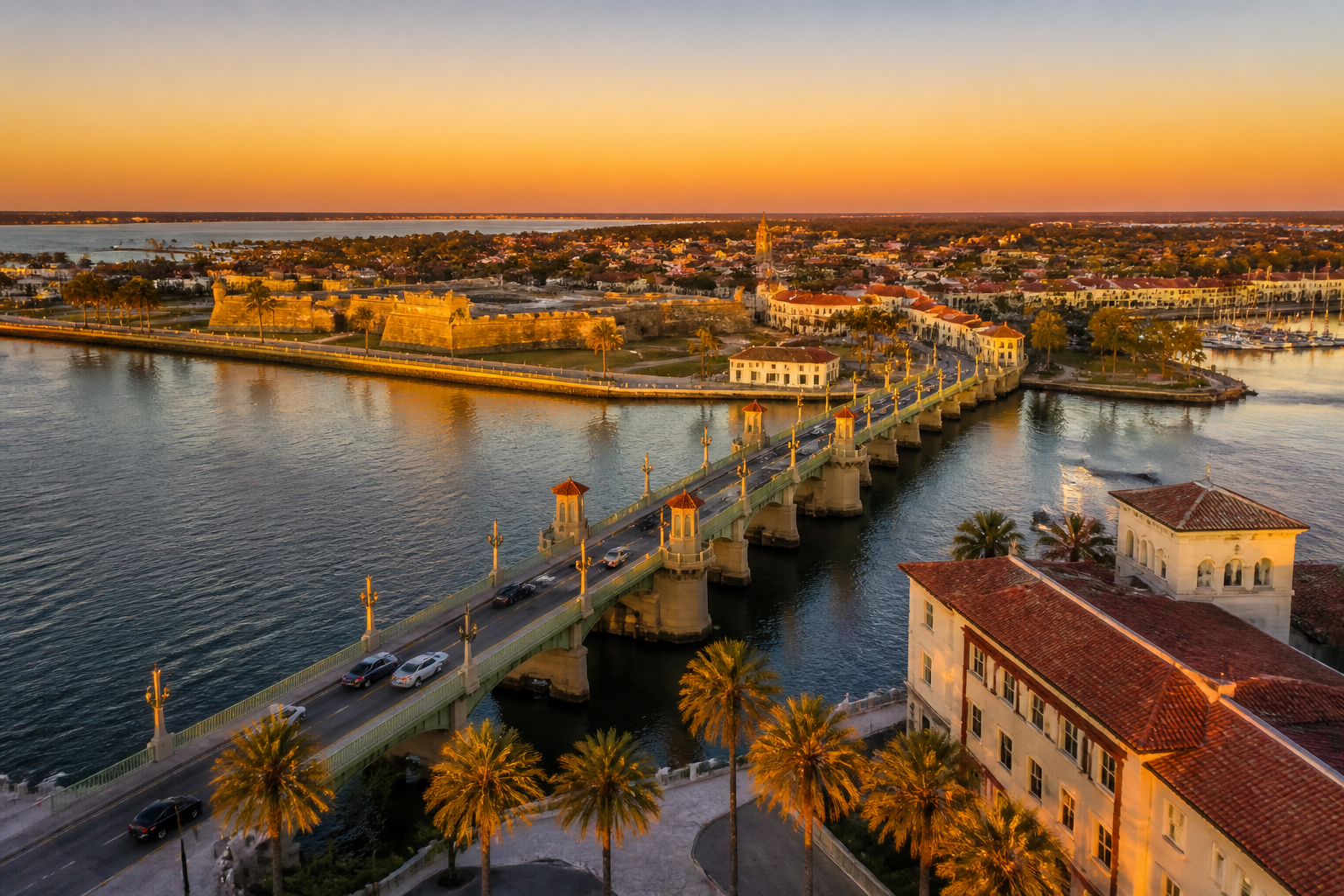
St. Augustine, Florida: Top Reasons to Visit in 2026
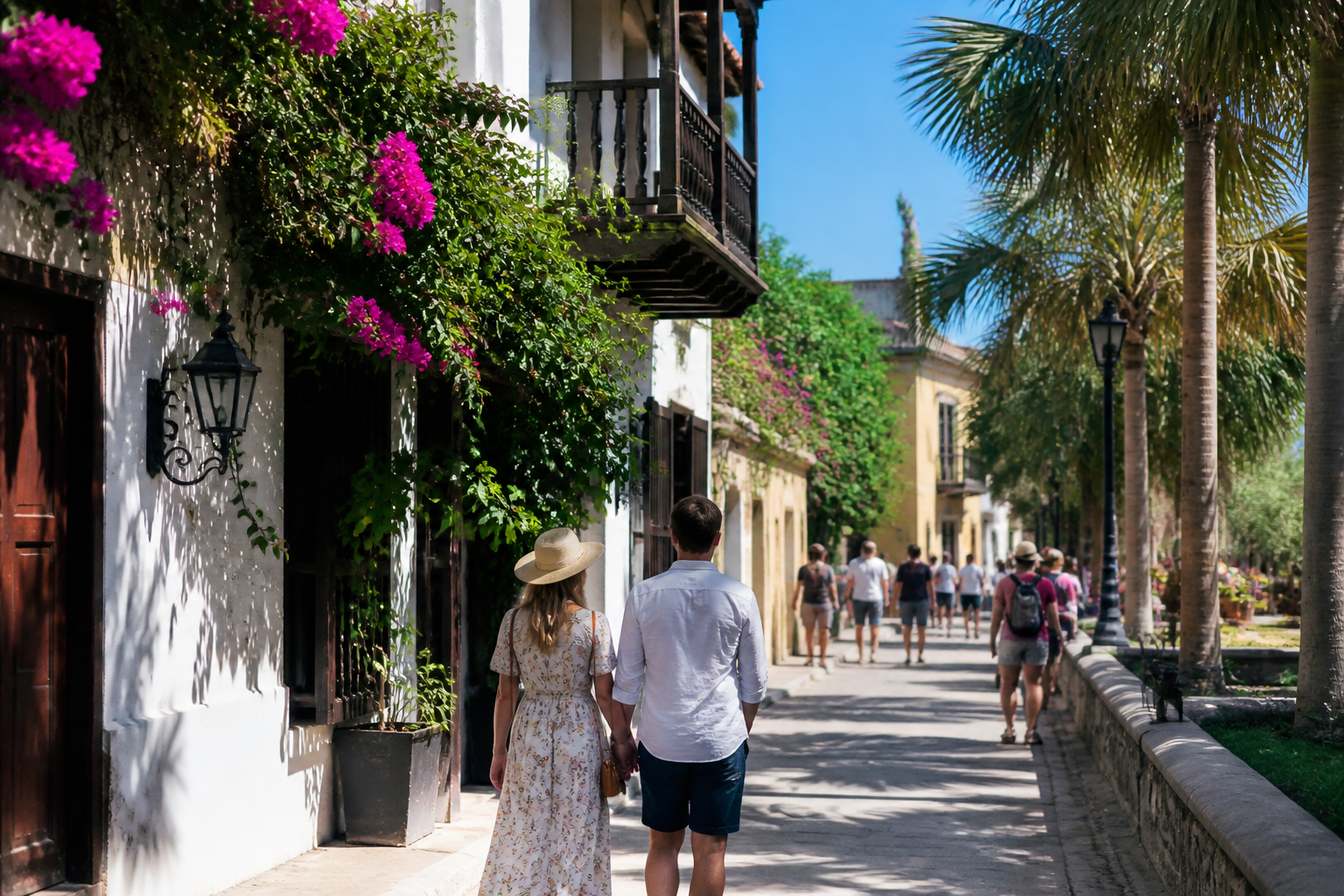
Founded on September 8, 1565, by Spanish Admiral Pedro Menéndez de Avilés, St. Augustine is the oldest continuously inhabited European settlement in the contiguous United States, and a genuinely rewarding, affordable Florida vacation for 2026. The historic district concentrates more than 450 years of layered history into a walkable footprint: a functioning 17th-century coquina fort, Gilded Age hotels built by Henry Flagler, and enough ground between them that most visitors can explore comfortably in three to four days.
St. Johns County, which encompasses the city, has ranked among Florida's fastest-growing counties for more than a decade, yet the historic district has remained largely intact under strict preservation ordinances. That balance is exceptional in a state where development pressure relentlessly reshapes the coastline. What you find here is a handsome, human-scaled old town — cobblestone lanes, Spanish colonial courtyards, and serious museums, backed by modern restaurants, boutique hotels, and a thriving vacation rental market across the surrounding barrier islands.
We recommend St. Augustine to travelers who want a Florida experience that goes meaningfully beyond theme parks and resort strips. The city sits approximately 54 miles south of Jacksonville International Airport and 110 miles north of Orlando, making it accessible without a punishing drive and compact enough to feel immediately livable. For families, couples, history enthusiasts, and golfers alike, St. Augustine consistently delivers authentic, layered experiences that justify the trip, at prices that remain noticeably lower than comparable historic cities such as Charleston, South Carolina, and Savannah, Georgia.
Getting to St. Augustine, Florida: Flights, Drives & Routes
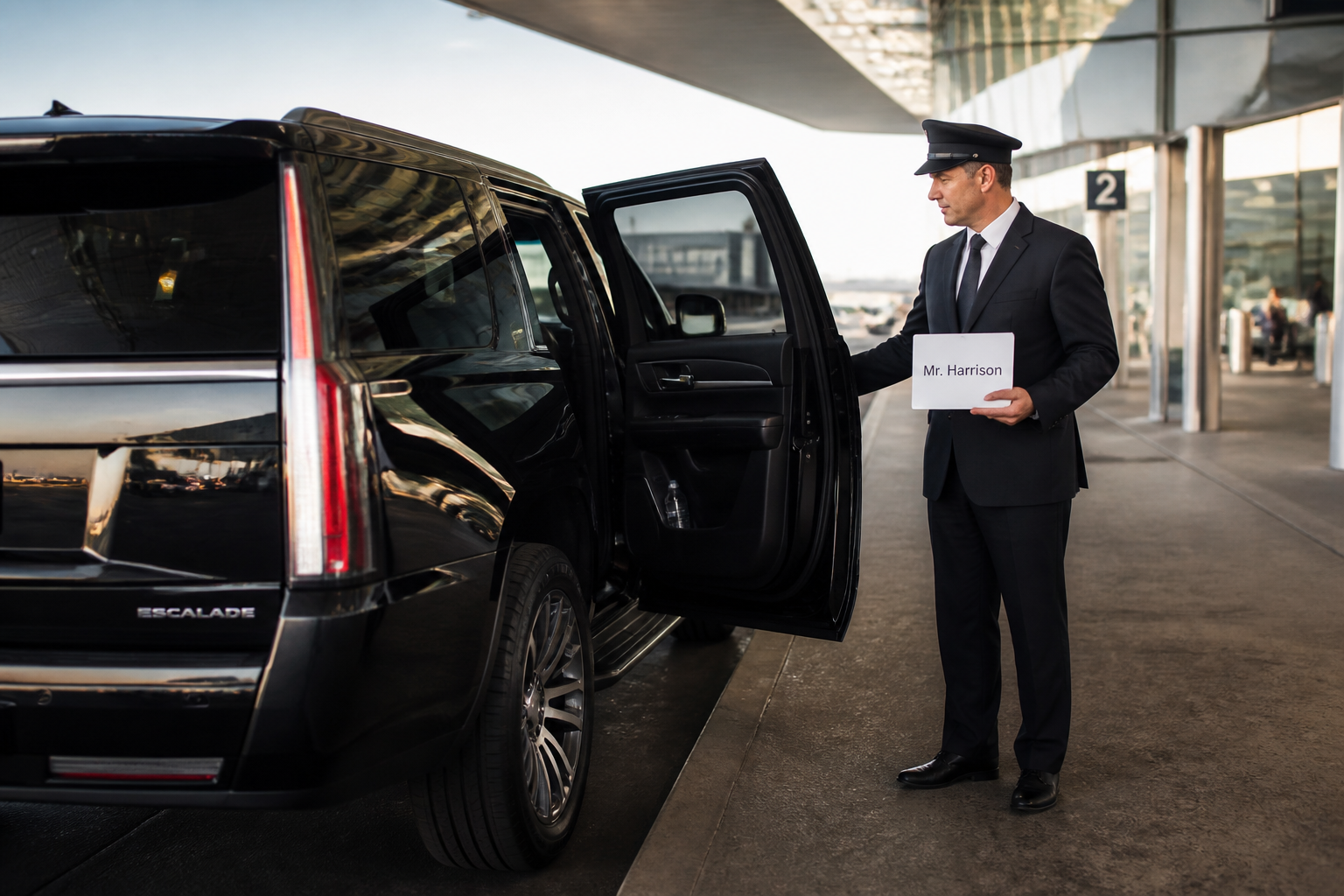
The most practical arrival route for most travelers is Jacksonville International Airport (JAX), approximately 54 miles north of St. Augustine's historic district. Drive time south on Interstate 95 under typical traffic runs 45 to 55 minutes. Ground transportation options from JAX range from app-based rideshares (which average $65 to $95 for the point-to-point trip) to pre-booked private car services that typically charge $110 to $145 for a sedan and $150 to $185 for a full-size SUV such as a Cadillac Escalade or Chevrolet Suburban. We strongly recommend pre-booking your arrival transportation, particularly during Nights of Lights season from late November through January and during spring break, when rideshare wait times at JAX can extend well beyond 30 minutes. Our Florida airport transportation guide covers current pricing and our vetted transfer provider recommendations in detail.
Travelers arriving from Central Florida most often use Orlando International Airport (MCO), approximately 110 miles south of St. Augustine — roughly a 90-minute drive north on I-95 under normal conditions. Daytona Beach International Airport (DAB), 60 miles south, is an underrated option for car renters: served by American, Delta, and United on select routes, it generally offers lower parking fees and faster car rental pickup than the larger hubs. Amtrak's Silver Meteor and Silver Star lines stop at Palatka station, approximately 28 miles west of St. Augustine, though a car rental is essential from that point. For those driving, the trip from Atlanta takes approximately 6.5 to 7 hours via I-75 south to I-10 east to I-95 south, and from Nashville approximately 9 hours via I-24 east to I-75 south. Both are workable for families who prefer the open road. We cover the full range of arrival-to-destination logistics in our Florida vacation planning guide, including current toll costs for the Florida Turnpike.
Best Time to Visit St. Augustine, Florida in 2026
Spring consistently delivers the most comfortable combination of weather, crowd density, and pricing. From late March through May, daytime temperatures in St. Augustine range from 68°F to 82°F, humidity remains genuinely manageable, and the summer vacation surge has not yet arrived. Hotel and rental rates sit at moderate levels during this period, and popular attractions including Castillo de San Marcos, Anastasia State Park, and the Lightner Museum are noticeably less congested than at any other point in the calendar. Mid-April — after school spring breaks have concluded but before summer bookings escalate — is the single best week to visit if your schedule is flexible.
Fall offers a second excellent window. By October, temperatures ease into the low to mid-70s, humidity drops considerably, and local restaurants and shops return to full capacity after the summer tourist push. Hurricane season runs through November 30, but northeast Florida's statistical exposure to direct hurricane landfalls is significantly lower than that of South Florida or the Gulf Coast, and most years pass without material disruption to St. Augustine travel. October and early November are when we most frequently recommend the city to first-time visitors.
Summer (June through August) is the peak season, and also the most demanding. Daytime highs routinely reach 92°F to 95°F with humidity that makes the heat feel worse than the thermometer indicates. Families constrained by school calendars manage well by planning outdoor sightseeing for early mornings before 10:00 a.m. and evenings after 5:00 p.m., using the beach as a midday refuge. Book all accommodations at least three to four months in advance for summer travel.
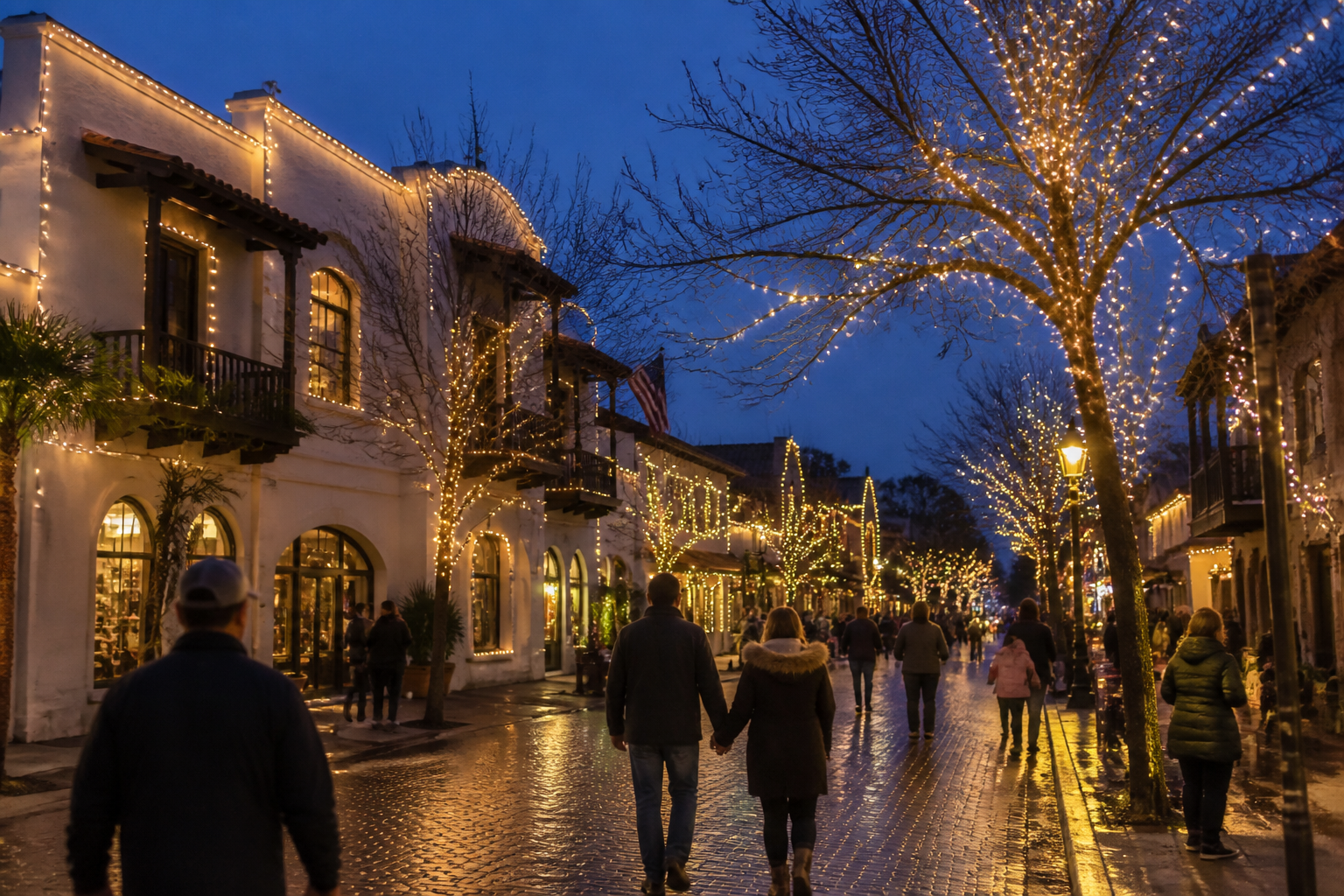
Winter is mild by any reasonable national standard: January averages a high of 65°F with overnight lows around 47°F. The city's celebrated Nights of Lights display, in which more than three million white lights illuminate the historic district nightly, is expected to run from Saturday, November 28, 2026, through Sunday, February 1, 2027. If you plan to visit during this period, we recommend reserving your hotel or vacation rental no later than August 2026. The most sought-after historic-district properties regularly sell out four to six months in advance for peak Nights of Lights weekends.
Plan this trip
St. Augustine Attractions: Top Things to Do in 2026
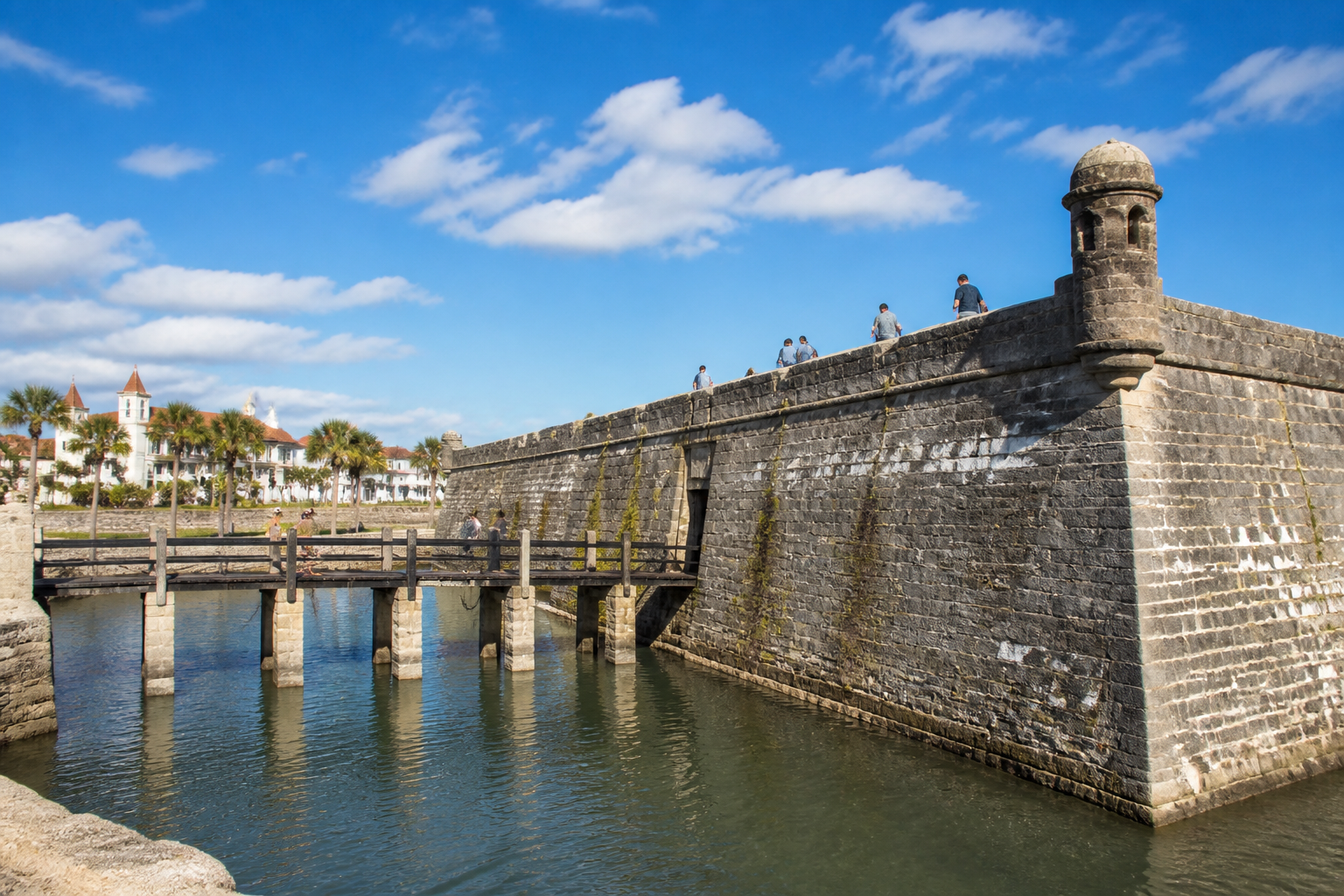
Castillo de San Marcos stands at the center of any St. Augustine itinerary and ranks among the most impressive historic sites in North America. Constructed between 1672 and 1695 from locally quarried coquina, a sedimentary limestone formed from compressed marine shells, it is the oldest masonry fortification in the continental United States and a unit of the National Park Service. Admission as of 2025 is $15 for adults, $10 for seniors 62 and older, and free for children 15 and under with a paying adult. An America the Beautiful Annual Pass at $80 per household covers admission and earns back its cost if your family visits more than five National Park units per year. We suggest arriving at the 9:00 a.m. opening to walk the ramparts before tour groups arrive and to position yourself for the ranger-led cannon demonstration, which typically runs at 10:30 a.m. and 2:30 p.m. daily.
Flagler College occupies the former Ponce de León Hotel, which Henry Flagler opened in January 1888 as the anchor of his plan to develop Florida's east coast. The building is a National Historic Landmark, and the guided tour of the interior — including the Tiffany stained-glass windows designed by Louis Comfort Tiffany and the hand-painted dining room ceilings — is among the best $14 expenditures in Florida. Tours run daily at 10:00 a.m. and 2:00 p.m. and must be pre-booked through Flagler College visitor services, particularly during spring semester when student schedules restrict access.
The Lightner Museum, housed in Flagler's former Alcazar Hotel (also completed in 1888), holds an exceptional Gilded Age decorative arts collection: art nouveau glass by Gallé and Tiffany, mechanical musical instruments, Victorian curiosities, and an extensive cut-glass collection. The museum's former indoor swimming pool — which was, at the time of construction, the world's largest — now serves as a café and event space. We recommend pausing for coffee in this extraordinary atrium before exploring the upper floors. Admission is $15 for adults.
Anastasia State Park, accessible via the Bridge of Lions, protects 1,600 acres of barrier island habitat including maritime hammock, coastal scrub, tidal marshes, and four miles of Atlantic beach. The park charges an $8 per-vehicle entrance fee, and kayak and paddleboard rentals are available through the park's concessionaire. The 14-mile Flagler Legacy Trail connects the park to the historic district for cyclists. For a water-based excursion, several outfitters on the Matanzas Riverfront operate 75-minute dolphin and wildlife eco-tours for approximately $35 per adult. It is a reliable way to see bottlenose dolphins in their natural habitat regardless of the season.
Best Vacation Rentals in St. Augustine, Florida
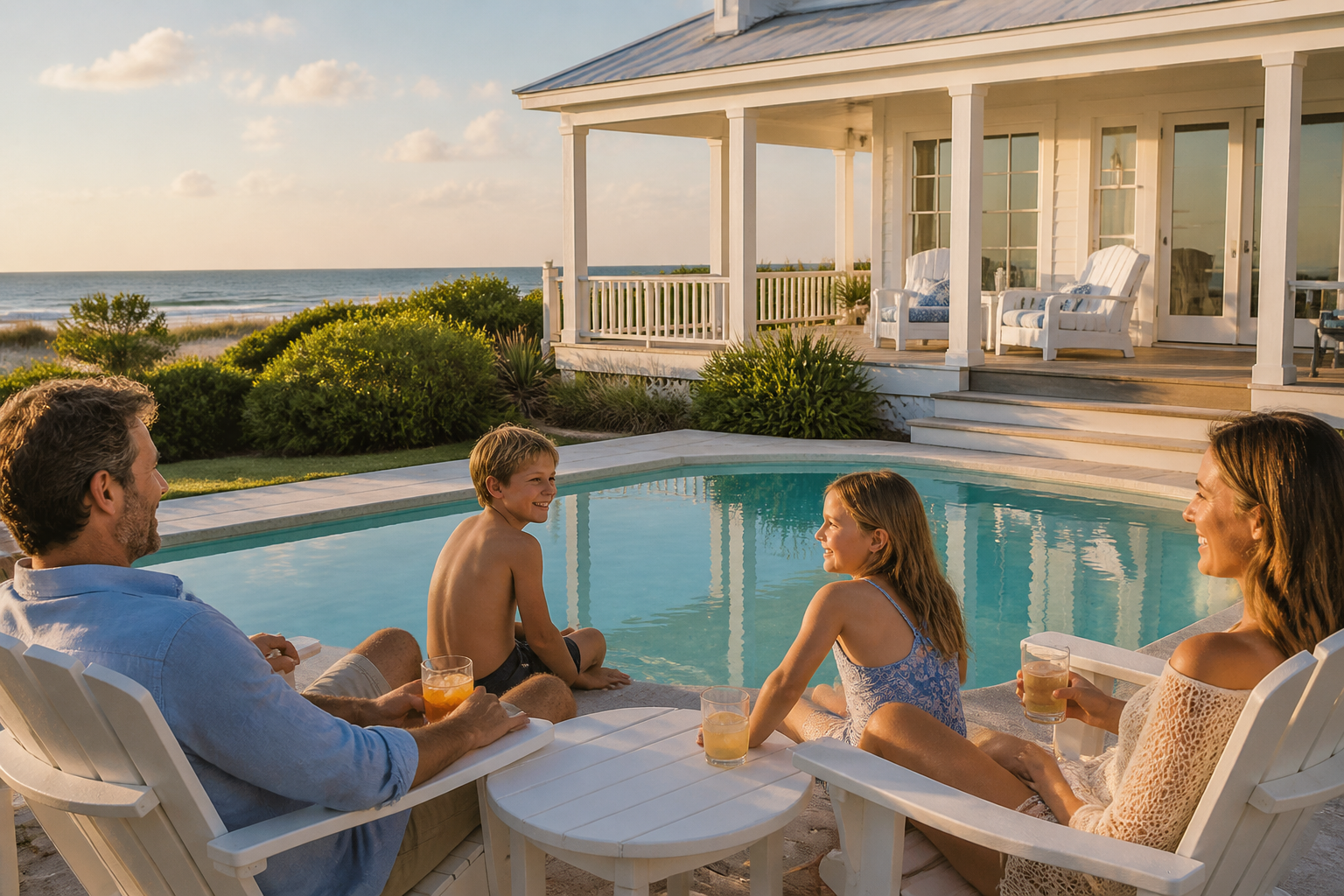
St. Augustine's short-term rental inventory spans three distinct geographic zones, each with its own character and pricing tier. The historic district proper offers cottages, carriage houses, and renovated townhomes within walking distance of Castillo de San Marcos and St. George Street. These properties book quickly and command premium prices, typically $225 to $450 per night for a two-bedroom, because no other accommodation type places you this close to the city's core attractions. Anastasia Island, connected to downtown by the Bridge of Lions, is the most popular zone for families: beach access is a five-to-ten-minute drive from most rental homes, and a full three- or four-bedroom house runs $275 to $600 per night during peak summer and Nights of Lights weekends. Vilano Beach, a narrow barrier island north of downtown reached via the Vilano Bridge, offers a quieter, decidedly more local atmosphere with meaningfully lower nightly rates. Two-bedroom condos and cottages there typically average $175 to $320 per night.
For the widest and most rigorously vetted selection of St. Augustine vacation homes, we consistently recommend Vrbo, which aggregates properties with full home amenities (private pools, complete kitchens, washers and dryers, outdoor grilling areas) that no hotel can replicate for groups of four or more. Browse Florida vacation rentals on Vrbo to see the current St. Augustine inventory across all three zones, with filters for pet policy, private pool, beachfront location, and minimum guest capacity.
Renting a vacation home in St. Augustine makes a compelling financial case for stays of four nights or more. A five-night rental of a three-bedroom Anastasia Island property at $350 per night totals $1,750 in base rent, comparable to the cost of two hotel rooms, but with the added utility of a full kitchen that eliminates most restaurant costs for breakfasts and lunches, a private outdoor space, and the flexibility to spread across multiple rooms. Budget an additional $150 to $250 for cleaning fees, which Vrbo displays transparently at checkout before any payment is processed. If you are still deciding between neighborhoods or property types, find your perfect vacation rental on Vrbo using the interactive map view to compare travel distances to the beach, the historic district, and Anastasia State Park before committing.
One practical note for all renters: St. Johns County requires all short-term rental properties to hold a current county vacation rental license. Compliant listings on platforms like Vrbo display their license number in the property details. We recommend confirming this with the host before transferring any deposit outside of the platform's payment system. For Nights of Lights 2026 (November 28 onward), we suggest initiating your rental search no later than late July 2026 — desirable historic-district and Anastasia Island properties routinely sell out five to six months in advance for peak November and December weekends.
Plan this trip
Best Hotels in St. Augustine, Florida for 2026
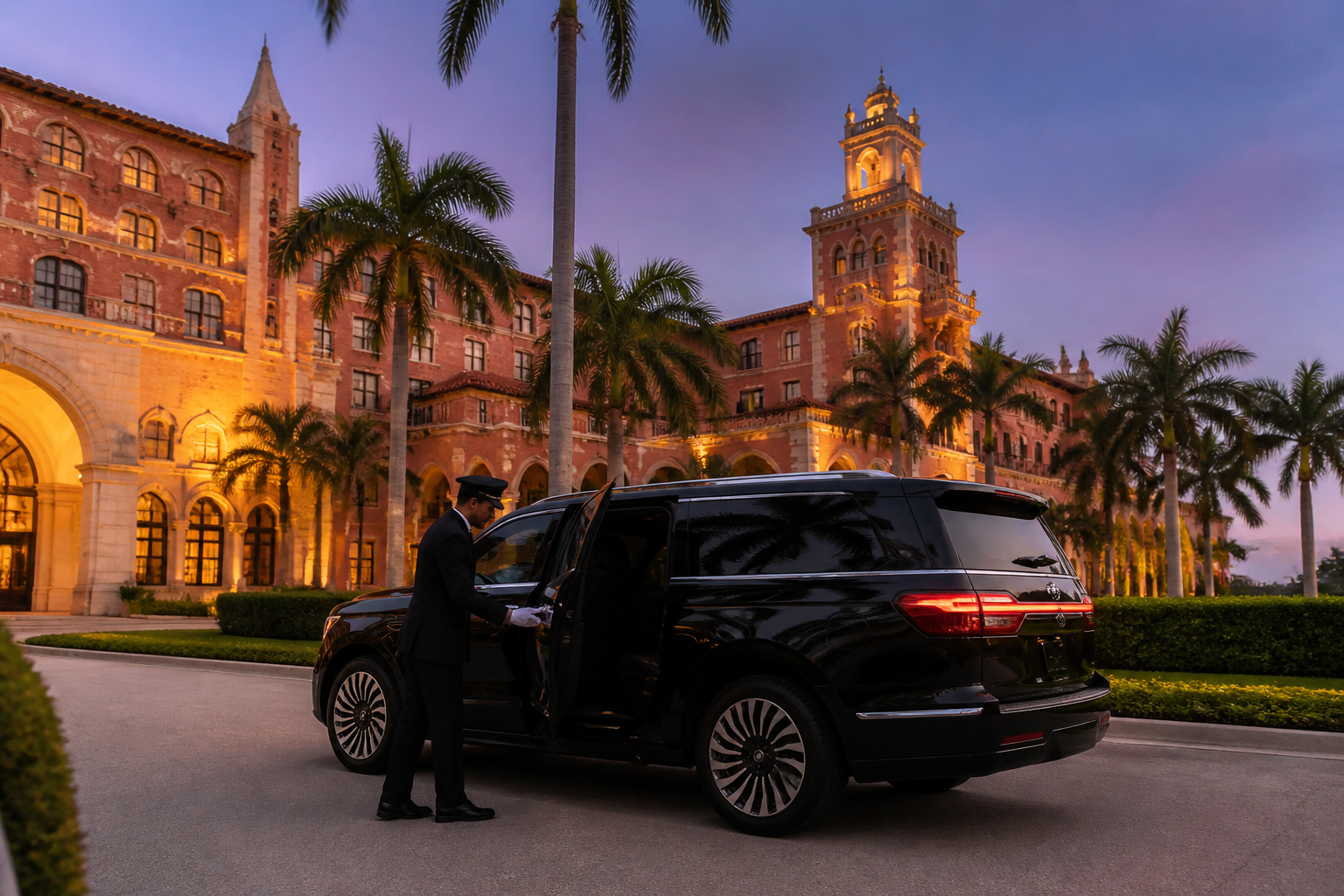
Casa Monica Resort and Spa is the most historically significant hotel in St. Augustine and, for most travelers, the most memorable place to stay. The property was originally built in 1888 by financier Franklin W. Smith and acquired shortly thereafter by Henry Flagler, who incorporated it into his Florida east coast development empire. Today it operates as a Curio Collection by Hilton property with a consistent AAA Four Diamond rating. The hotel has 138 guest rooms and suites, a rooftop pool, a full-service spa with seven treatment rooms, and Cobalt Lounge and Restaurant on the ground floor, which serves regionally sourced Florida cuisine and a well-regarded Sunday brunch. Standard room rates begin at approximately $259 per night in the off-season and climb to $450 or higher during Nights of Lights weekends in November and December 2026. The location on Cordova Street at King Street (three blocks from Castillo de San Marcos and one block from Flagler College) is the most walkable hotel address in the city.
The Collector Luxury Inn and Gardens, which opened in 2018, takes a distinctly different approach: nine historic St. Augustine cottages and manor homes spanning several eras of the city's architectural history have been sensitively restored and arranged around a shared courtyard garden. With 29 rooms and suites in total, it operates more like a staffed private estate than a conventional hotel. Rates typically run $350 to $550 per night, inclusive of daily breakfast and an afternoon wine and charcuterie social hour in the garden. Guests we have spoken with consistently describe the evening social hour as an excellent way to collect candid local restaurant recommendations. Reserve four to six months in advance for spring and fall travel.
For waterfront views, the Hilton St. Augustine Historic Bayfront is the most distinctive mid-market option: 72 rooms positioned directly on the Matanzas River with unobstructed sightlines to Castillo de San Marcos across the water. The property offers an outdoor pool, complimentary kayak access during daylight hours, and on-site dining. Nightly rates average $220 to $380 depending on season. Travelers who prioritize resort-scale amenities over historic-district proximity should consider the World Golf Village Renaissance St. Augustine Resort, approximately 10 miles north of downtown. The Renaissance has 301 rooms, two championship golf courses — the King and Bear and the Slammer and Squire — multiple dining outlets, and a full spa, at rates typically $30 to $60 per night lower than comparable downtown properties.
Save 10% or more on hotels with Member Prices when you log into your Hotels.com account before searching. It is a no-subscription-required method to reduce nightly costs across all of the properties above. We recommend comparing rates across multiple arrival dates before finalizing; a Thursday check-in in St. Augustine is frequently $30 to $50 per night less expensive than a Friday or Saturday arrival at the same property. Compare hotel deals on Hotels.com to see real-time availability, verified guest reviews, and current promotional rates for every hotel in the historic district and throughout St. Johns County.
Getting Around St. Augustine, Florida: Transport Tips
The historic district is genuinely walkable by Florida standards, a meaningful distinction in a state where automobiles are nearly mandatory for daily life. The pedestrian corridor of St. George Street, Castillo de San Marcos, the Lightner Museum, Flagler College, the Bayfront Shoppes, and most of the downtown restaurants are all accessible on foot from any hotel or rental within the historic core. Guests staying in the heart of the colonial quarter can comfortably structure their entire first full day without a vehicle at all. The free St. Johns County Flagger electric shuttle connects the Visitor Information Center on San Marco Avenue to several major outlying parking areas during peak seasons, reducing the need to move your car once parked.
For everything beyond the historic core, a vehicle is practical and often necessary. St. Augustine Beach on Anastasia Island, the four miles of natural beach inside Anastasia State Park, Vilano Beach, and outlying sites such as the Fountain of Youth Archaeological Park — located two miles north of Castillo de San Marcos — are best reached by car. Rideshare coverage in St. Augustine is adequate during peak daytime hours but can become unreliable in the early morning or late at night. We recommend reserving a rental car through our Florida car rental comparison guide, which aggregates current rates from Avis, National, Enterprise, and Alamo at both Jacksonville International Airport (JAX) and St. Augustine Airport (UST), a small general aviation facility on Anastasia Island.
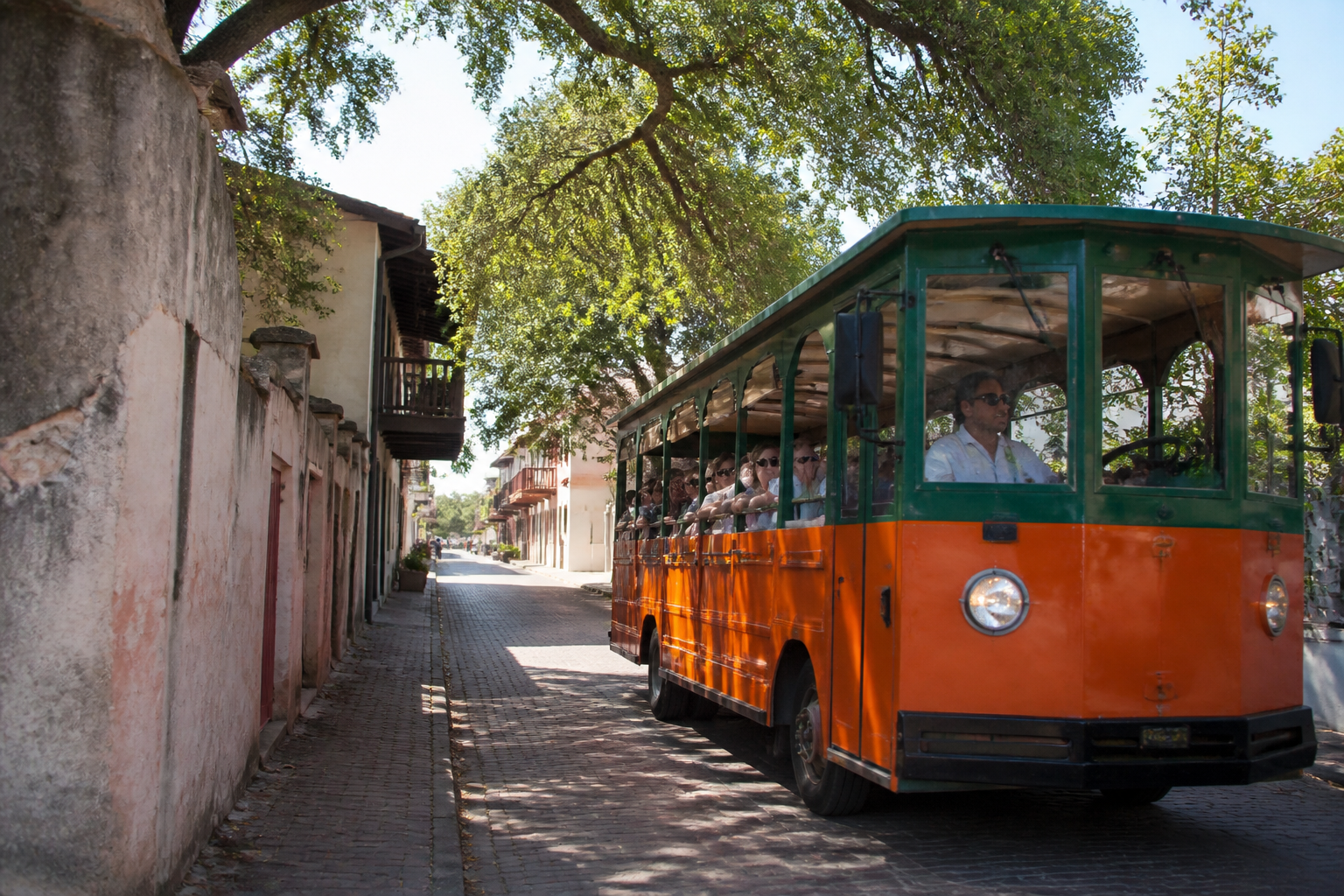
Old Town Trolley Tours operates the city's primary hop-on, hop-off loop with 23 stops covering the historic district, the waterfront, Flagler College, the Fountain of Youth, and several outlying neighborhoods. An all-day adult ticket is $34.99 and a children's ticket is $12.99, with prices current as of 2025. The trolley runs daily from 9:00 a.m. to 5:00 p.m. with departures approximately every 15 to 20 minutes. For first-time visitors, a full circuit on the trolley with the included audio narration is the single most efficient way to orient yourself to the city's layout before deciding which sites to revisit on foot. Bicycle rentals are available on St. George Street and at Anastasia State Park for $12 to $18 per hour; the paved 14-mile Flagler Legacy Trail offers dedicated cycling from the historic district southward to Crescent Beach.
Plan this trip
St. Augustine Restaurants: Best Places to Eat & Drink
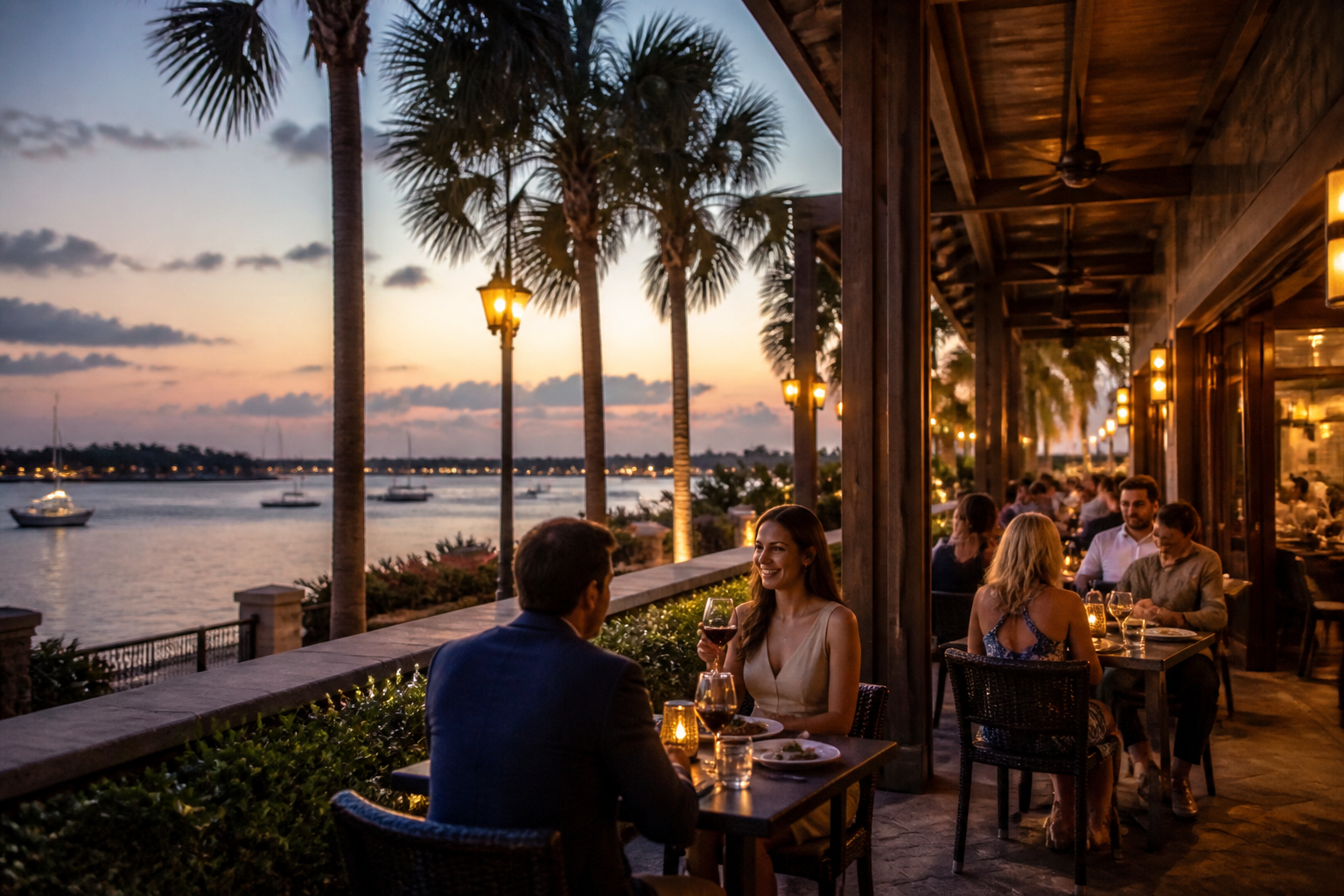
St. Augustine's dining scene rewards travelers who look beyond the tourist-facing establishments that cluster on St. George Street. O.C. White's Seafood and Spirits, housed in a 1790 Spanish colonial structure on Charlotte Street, is a genuine institution: the blue crab claws are sourced from local northeast Florida waters and served with a butter and white wine preparation that needs no embellishment. The grilled grouper and the shrimp and grits are consistent standouts. Reservations are not accepted, so expect a 20- to 45-minute wait on weekend evenings. Use that time for a pre-dinner walk south along the Bayfront to watch the boats on the Matanzas River.
The Floridian on St. George Street is the city's flagship farm-to-table restaurant, with a dinner menu that rotates seasonally according to what north Florida farms and local fisheries are actually producing. Saturday and Sunday brunch service begins at 10:00 a.m. and draws a loyal following of both locals and informed visitors. Dinner entrees average $18 to $28. For a more casual waterfront experience, Caps on the Water on Yacht Club Drive serves fresh grouper sandwiches, shrimp baskets, and a fried green tomato BLT with unobstructed views across the Intracoastal Waterway. This is the kind of place locals bring visitors when they want to make a strong first impression without a significant bill.
Columbia Restaurant, the St. Augustine outpost of Tampa's legendary Spanish-Cuban institution — the Tampa original has operated continuously since 1905, making it Florida's oldest restaurant — is located at the Bayfront Shoppes. The signature 1905 Salad is prepared tableside with a theatrical flourish involving a mortar and pestle and a flambéed crouton, the Cuban bread is baked in-house daily, and the sangria pitcher is the correct order for any table of four or more. Reserve through OpenTable for dinner, particularly during spring break and Nights of Lights season when walk-in waits routinely exceed 90 minutes. For post-dinner drinks, the rooftop bar at Casa Monica's Cobalt Lounge offers the most dramatic view of the illuminated historic district after dark.
Frequently Asked Questions
The best times to visit St. Augustine are mid-March through May and October through early November, when daytime temperatures range from 68°F to 82°F, humidity is manageable, and summer crowds have not yet arrived. Mid-April is particularly ideal for first-time visitors who have schedule flexibility.
Jacksonville International Airport (JAX) is approximately 54 miles north of St. Augustine's historic district. The drive south on Interstate 95 typically takes 45 to 55 minutes under normal traffic. Pre-booked private sedan transfers generally cost $110 to $145 one way.
The historic district is among the most walkable areas in Florida. Castillo de San Marcos, Flagler College, the Lightner Museum, St. George Street, and most downtown restaurants are within a 20-minute walk of each other. A car is recommended for beach visits, Anastasia State Park, and attractions outside the historic core.
Casa Monica Resort and Spa (138 rooms, AAA Four Diamond) is the most celebrated historic hotel, with rates from approximately $259 per night. The Collector Luxury Inn and Gardens (29 rooms) is the top boutique choice. The Hilton St. Augustine Historic Bayfront (72 rooms) offers waterfront views at mid-tier pricing. All three are in or immediately adjacent to the historic district.
The 2026-2027 Nights of Lights display in St. Augustine is expected to run from Saturday, November 28, 2026, through Sunday, February 1, 2027. More than three million white lights illuminate the historic district nightly after dark. Reserve hotels and vacation rentals no later than August 2026 for this period, as prime properties sell out months in advance.
Expect to pay $175 to $320 per night for a two-bedroom vacation rental in Vilano Beach, $225 to $450 per night in the historic district, and $275 to $600 per night for a three- or four-bedroom family home on Anastasia Island during peak season. Cleaning fees typically add $150 to $250 to the total booking cost.
Castillo de San Marcos is the oldest masonry fortification in the continental United States, built between 1672 and 1695 from locally quarried coquina limestone. It is a National Park Service unit open daily from 9:00 a.m. to 5:00 p.m. Admission is $15 for adults and free for children 15 and under accompanied by a paying adult.
St. Augustine Beach on Anastasia Island is the closest beach to downtown, approximately 5 to 7 miles from the historic district via the Bridge of Lions. Anastasia State Park's four miles of natural beach, just north of the main swimming area, tends to be quieter. Vilano Beach, north of downtown, is popular with local residents and has lower parking pressure.
Orlando is approximately 110 miles south of St. Augustine. The drive north on Interstate 95 or US-1 typically takes 90 minutes to 2 hours depending on traffic. It is a straightforward highway route with no significant toll roads required.
Yes. Families should prioritize Castillo de San Marcos (free admission for children 15 and under), Anastasia State Park (kayak and paddleboard rentals available), the Colonial Quarter living history museum ($12.99 for adults), 75-minute dolphin eco-tours on the Matanzas River (approximately $35 per adult), and the beaches of Anastasia Island for half-day swim breaks.
Three to four nights is the ideal length for a first visit. A long weekend (Friday through Monday) comfortably covers Castillo de San Marcos, a Flagler College tour, one or two museum visits, a full beach day, and several excellent dinners. Add a fifth night if you want to take a day trip to Amelia Island (35 miles north) or Daytona Beach (60 miles south).
A car is not strictly required for stays focused entirely on the historic district — the area is walkable and the Old Town Trolley offers hop-on, hop-off coverage for $34.99 per day. However, a rental car is strongly recommended for any itinerary that includes a beach day, Anastasia State Park, or dining at waterfront restaurants outside the downtown pedestrian zone.