Why Val d'Isère Belongs on Every Serious Skier's List
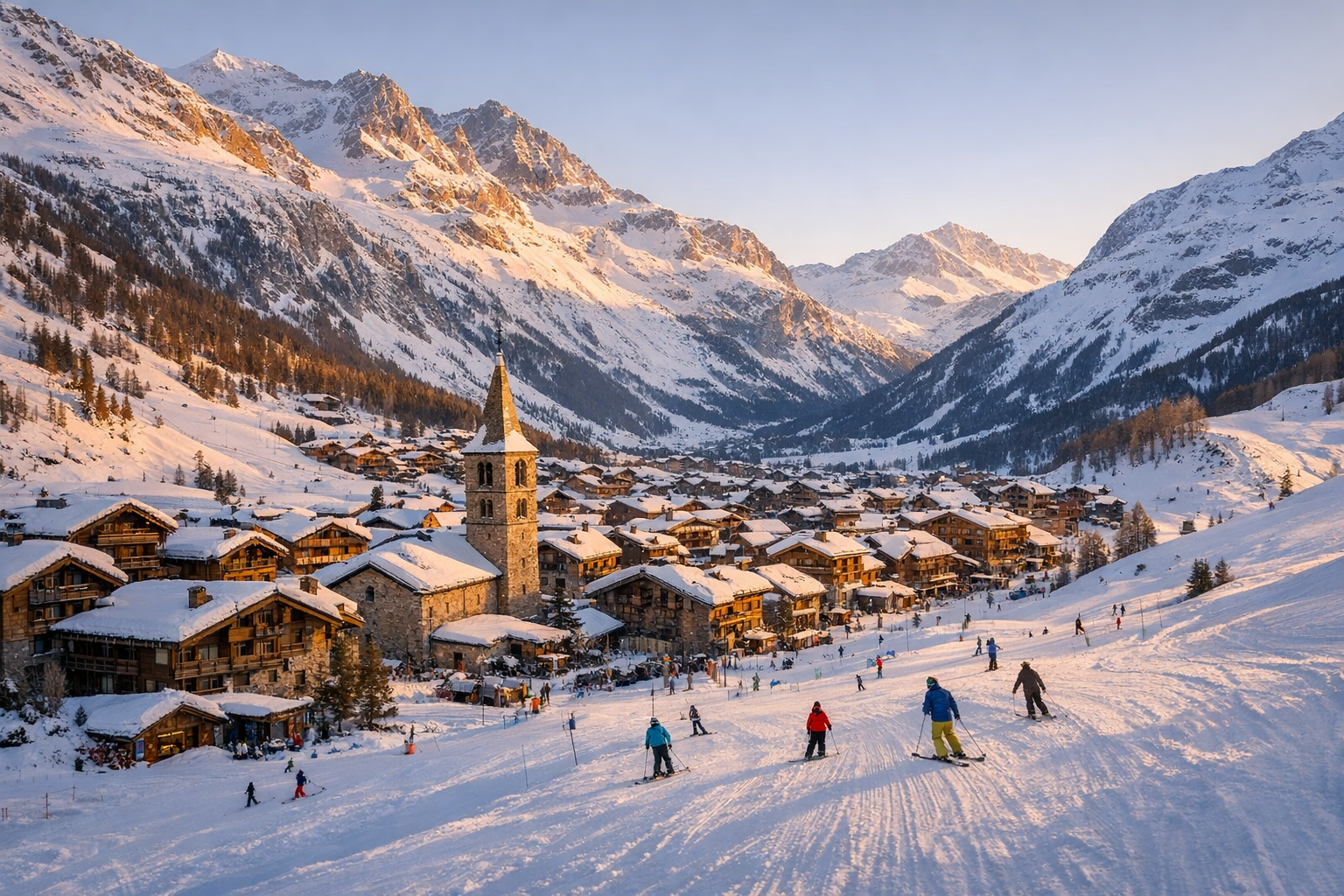
Few resorts in Europe command the same level of respect as Val d'Isère. Sitting at 1,850 metres in the Tarentaise Valley of Savoie, with its highest accessible terrain topping out at 3,456 metres on the Grande Motte glacier via Tignes, this is a resort built for skiers who mean business — and yet it delivers enough variety to satisfy a mixed-ability group without compromise.
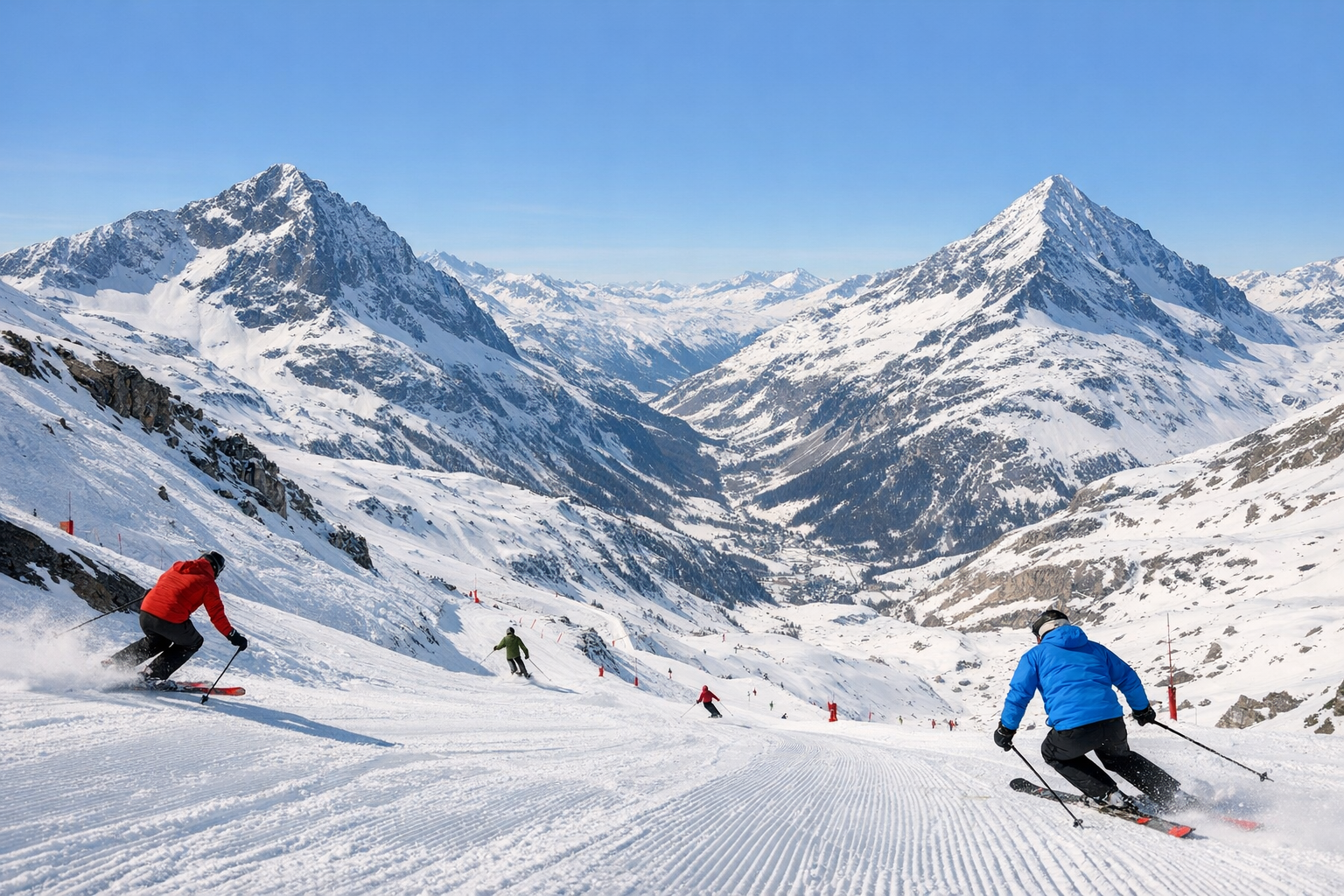
The numbers alone are persuasive. Linked with Tignes to form the Espace Killy ski area, the combined domain stretches across approximately 300 kilometres of marked pistes, 154 runs, and 89 lifts. Val d'Isère contributes roughly 100 kilometres of that terrain across six distinct sectors, each with its own character and difficulty profile. The resort has been hosting the Alpine Ski World Cup — the Critérium de la Première Neige — for decades, typically in late November, a tradition that sets the tone for a season defined by competitive pedigree and high expectations.
Beyond the statistics, Val d'Isère earned genuine Olympic credentials when it hosted events for the 1992 Albertville Winter Games. The Face de Bellevarde, the resort's iconic World Cup downhill run, is still one of the most technically demanding race courses on the circuit. Skiing it yourself — even at a fraction of race speed — is a rite of passage for advanced skiers visiting the resort.
The village itself is thoroughly upmarket. A permanent population of around 1,700 residents swells to more than 25,000 at peak season, which means the infrastructure — restaurants, bars, ski hire, medical facilities — is built to absorb serious volume. This is not a sleepy hamlet that happens to have ski lifts; it is a purpose-built luxury resort that has refined its offering over more than a century of operation.
Espace Killy Lift Pass Prices for 2025-2026
Lift passes at Val d'Isère are a significant budget line, and understanding the pricing structure before you arrive can save you a meaningful amount of money. Official 2025-26 rates are expected to be confirmed in September 2025, but based on confirmed 2024-25 pricing and the resort's consistent pattern of 3–5% annual increases, the figures below represent a reliable working estimate.
For adults purchasing the full Espace Killy pass covering both Val d'Isère and Tignes, expect to pay in the region of €350–€375 for six days during peak season (Christmas, February half-term) and approximately €310–€335 during off-peak weeks in January and March. A single day's access during peak periods runs around €68–€75, making multi-day passes substantially better value for any visit of three days or more.
A three-day adult pass costs roughly €190–€215 at peak and €163–€185 off-peak. For a seven-day pass, budget €368–€390 at peak, dropping to €325–€348 in quieter periods. If you intend to stay for two weeks, a 13-day pass comes in at approximately €530–€590 depending on the season window.
Families will find the age-banded discounting genuinely helpful. Children aged 5–12 receive a 30–35% reduction against the adult rate, and under-fives ski free. Young adults aged 13–17 receive around a 20% discount, while skiers aged 65 and over save approximately 10–15%. If your group includes only Val d'Isère skiers with no interest in venturing into Tignes, a Val d'Isère-only pass runs approximately €20–€25 less per six days than the full Espace Killy version.
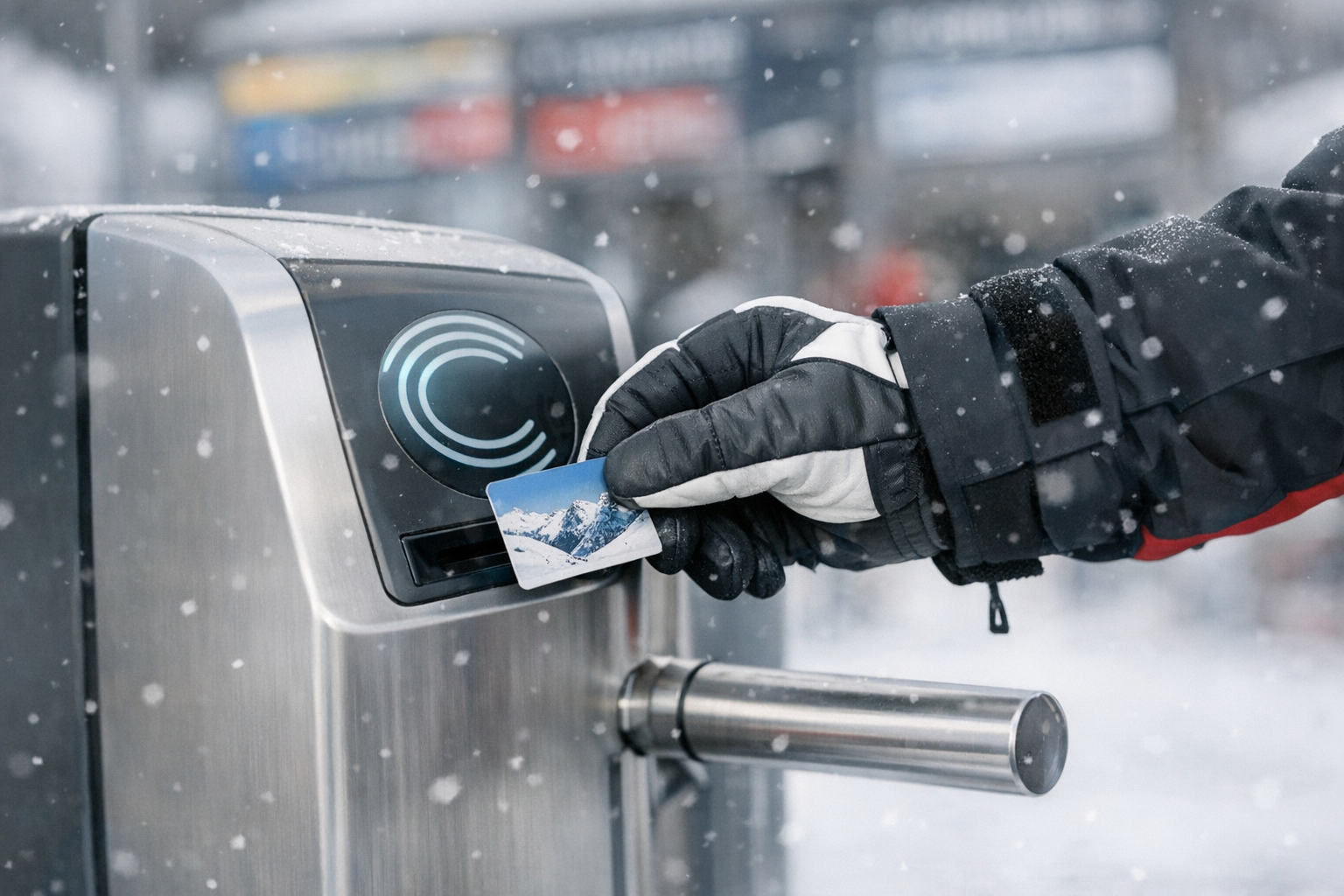
The single most important purchasing tip is this: always buy online in advance rather than at the lift station window. The official portals at valdisere.com and espacekilly.com consistently offer lower rates than on-the-day purchases, and booking 30 or more days ahead can unlock early-bird savings of up to 10–15%. Passes use hands-free RFID technology with a refundable card deposit of around €3.
One note of caution: the Haute Savoie Mont-Blanc mega-region pass that covers Chamonix and neighbouring resorts is not included in the Espace Killy pass and is rarely cost-effective for a Val d'Isère-focused trip.
The Six Sectors: Where to Ski in Val d'Isère
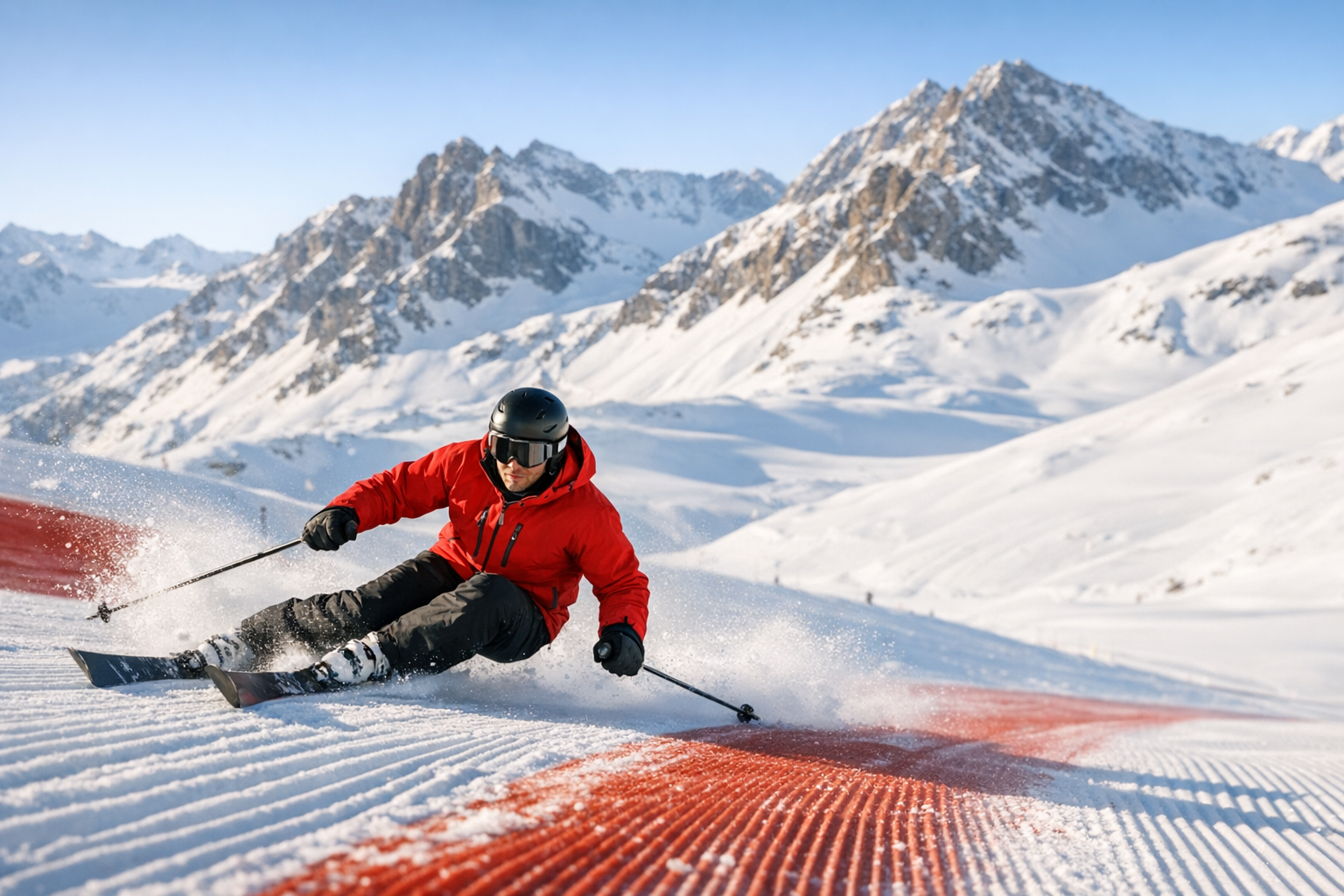
Understanding Val d'Isère's sector geography is the difference between spending your holiday discovering terrain organically and wasting precious morning hours heading to the wrong side of the mountain. Here is a clear breakdown of each area.
Bellevarde is the resort's heartland. Accessed directly from the village via the high-capacity Olympique gondola, it hosts the Face de Bellevarde — the 3-kilometre World Cup downhill course with a vertical drop of 900 metres that has humbled generations of racers and recreational skiers alike. The broader Bellevarde sector contains a mix of well-groomed reds and several demanding blacks, including La Spatule and the legendary M run (Madeleine) bump field directly below the summit station.
Solaise offers a more forgiving introduction to the resort. South-facing and accessed by the detachable Solaise Express six-seat chairlift, this sector suits beginners and lower intermediates well. The sunshine is reliable, the nursery slopes are properly graded, and La Jèse is one of the most enjoyable red cruising runs on the mountain with panoramic views across the valley.
Pisaillas Glacier operates seasonally between roughly December and April at elevations spanning 2,750 to 3,200 metres. Limited in groomed terrain but exceptional for off-piste exploration, this sector rewards experienced skiers with some of the most consistent snow quality in the region. Access is from Le Fornet satellite village.
Col de l'Iseran is the high point of the Val d'Isère ski area, connecting to terrain around the highest paved mountain pass in the Alps at 2,770 metres. The Rhône-Alpes red run through this sector is a genuine highlight — long, relatively uncrowded, and set against extraordinary mountain scenery.
La Daille, a satellite village 6 kilometres from the main resort at 1,750 metres, provides direct lift access to the Bellevarde sector and is particularly well-positioned for skiers who prefer to avoid the village crowds. Free parking and a free shuttle bus make it an excellent base for those arriving by car.
Le Fornet, 9 kilometres from the village at 1,950 metres, is the least visited of the six sectors and frequently the most rewarding for that reason. North-facing aspects mean superior snow retention throughout the season, and the Pisaillas Glacier access here opens up terrain that most day-trippers from the village never reach.
The Tignes connection deserves separate mention. Accessed via the Col de Fresse or the Tommeuses gondola, Tignes adds approximately 160 kilometres of additional pistes including the Grande Motte Glacier at 3,456 metres. This is one of the few places in France offering summer skiing from June through August, served by a cable car carrying 150 passengers up one of the steepest gradients in the world.
Plan this trip
Hotels in Val d'Isère Ski Pistes, Prices & - Season
Top-rated hotels with free cancellation. Best price guaranteed.
Search Hotels →Compare Car Rentals
Compare 500+ suppliers — Hertz, Enterprise, Sixt & more.
Find Cars →Vacation Rentals
Entire homes and condos — more space, more privacy.
Browse Rentals →Off-Piste: Val d'Isère as France's Premier Backcountry Arena
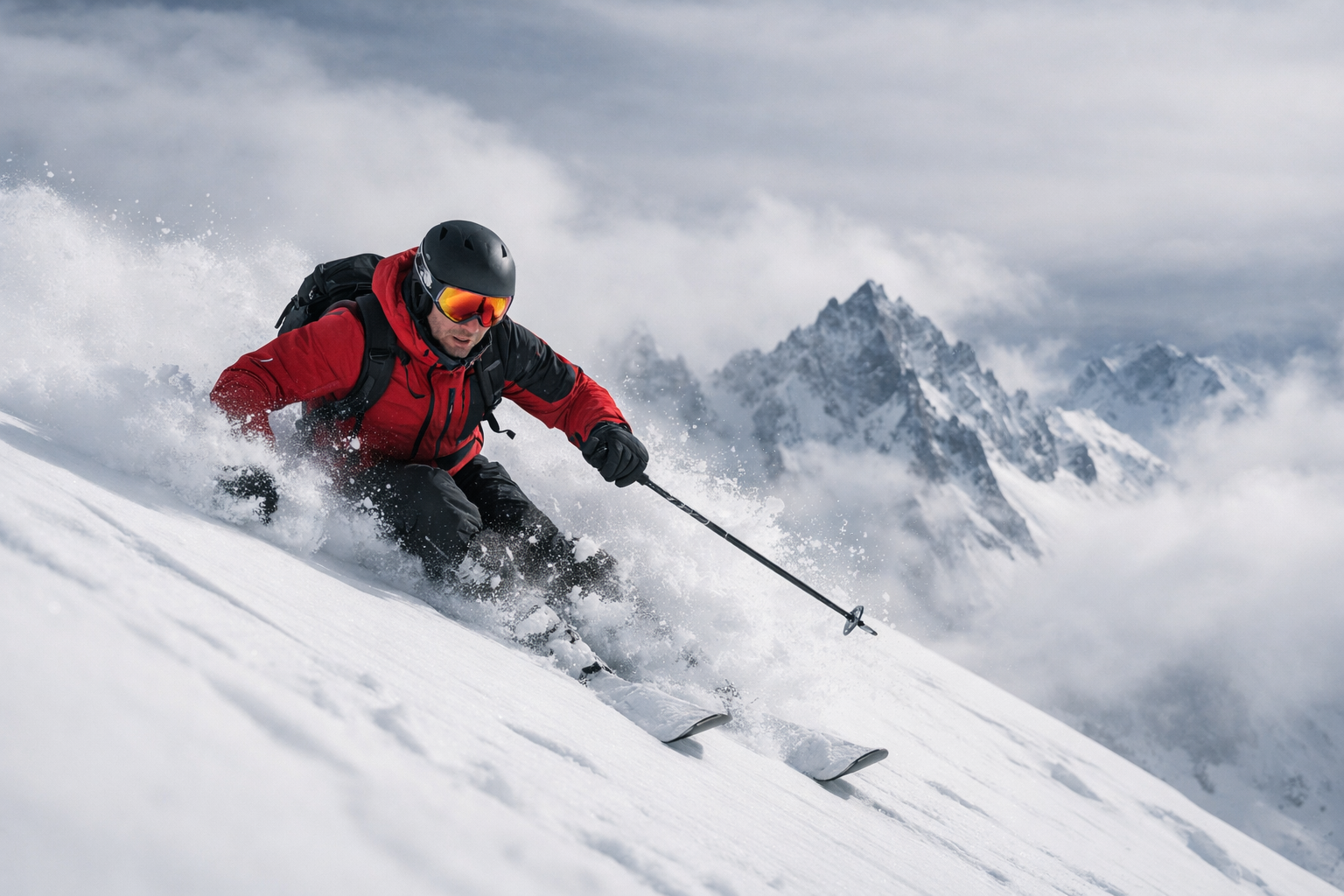
If you speak to serious off-piste skiers about France, the conversation starts and usually ends with Val d'Isère. The resort's combination of altitude, aspect diversity, glacier access, and the sheer scale of the Espace Killy boundary creates an off-piste playground that rivals anywhere in Europe — including Chamonix, which receives more publicity but arguably less consistent conditions.
The Vallée Perdu behind Solaise is the classic introduction: a long, moderately technical descent through a hidden valley that feels entirely removed from the groomed resort. The Col Pers route is for experienced backcountry skiers only — an off-piste itinerary requiring a qualified guide that drops into Italy's Pont St. Martin valley and requires pre-arranged transport back. The Tommeuses bowls between Val d'Isère and Tignes offer wide-open powder skiing on a scale that justifies the phrase 'resort within a resort'.
Off-piste skiing in the Alps always carries genuine avalanche risk, and Val d'Isère is no exception. The ANENA avalanche bulletin (available at anena.org/bra) is updated daily and should be checked every morning without exception. Hiring a guide is not optional for unfamiliar terrain — it is the difference between a life-changing day and a life-ending one.
The Bureau des Guides Val d'Isère is the authoritative starting point for guided off-piste. Private guiding costs approximately €350–€500 per day for a single client or small group, while joining a shared guided group reduces that to roughly €60–€90 per person. Given the terrain on offer, this is among the best-value expert experiences in Alpine skiing.
Best Time to Visit: A Month-by-Month Breakdown
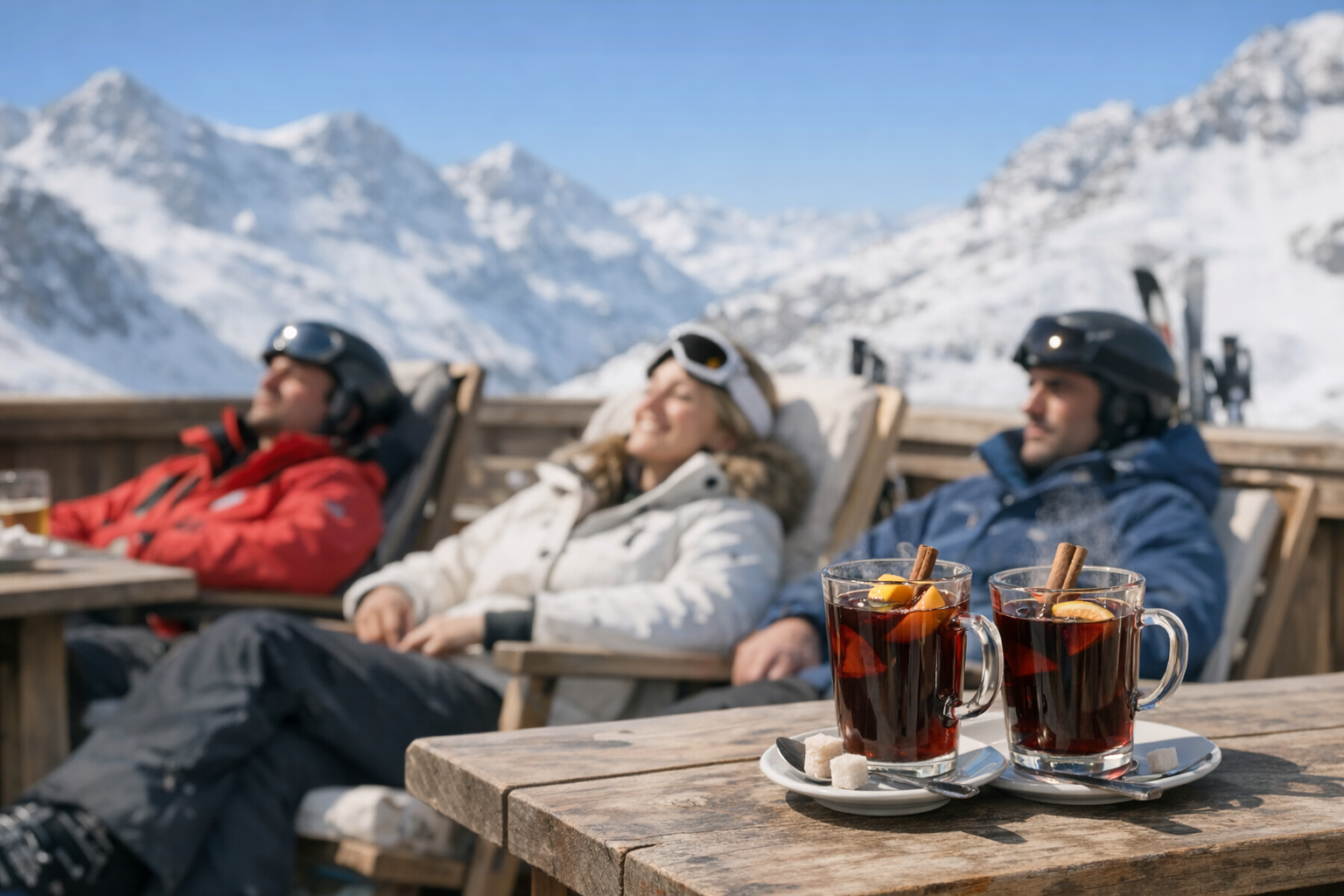
Timing your Val d'Isère trip correctly has a larger impact on your experience — and your budget — than almost any other planning decision. Here is an honest assessment of each phase of the season.
Late November to early December is the season opener, dominated by the Critérium de la Première Neige World Cup races, typically scheduled across late November into the first week of December 2025. The atmosphere is electric, the prices are 20–30% below peak, and the serious skiers are already here. The trade-off is limited open terrain — typically 20–40 kilometres — and the possibility of a thin snowpack at village level, though altitude largely compensates.
Christmas and New Year (21 December–4 January) is peak season in every sense. Lift queues at the Olympique gondola regularly reach 20–45 minutes, accommodation costs two to three times the standard rate, and rooms must be reserved 6–12 months in advance for any reasonable selection. Come here at Christmas for the occasion, not the value.
Mid to late January is arguably the finest period to visit. The holiday crowds have evaporated, the snowpack is typically at its most settled, and the resort operates at full capacity without the pressure of school holidays. The window from approximately 10–25 January is widely considered the sweet spot by experienced visitors: good snow, manageable queues, and accommodation rates that have returned to near off-peak levels.
February is complicated. French school holidays — staggered across Zones A, B, and C through most of the month — combined with British half-term around 16–22 February 2026 create conditions approaching Christmas-level crowding. If February is your only option, the first week of the month is significantly calmer than the second and third.
March is the month that experienced Alps skiers frequently refuse to give up as a secret, though it is increasingly well-known. Snow coverage at altitude remains reliable, the days are noticeably longer (sunset around 6:30pm versus 5:30pm in December), midday temperatures on-piste reach a pleasant 0–8°C, and the mogul fields that develop naturally through the season add variety to the intermediate and advanced itinerary. Crowds are lighter than February, prices are competitive, and spring snow on a sunny afternoon is one of skiing's great pleasures.
April sees the lower mountain deteriorate but the upper sectors and glacier remain in good condition. Closing parties create a carnival atmosphere, budget accommodation rates drop 30–40% below peak, and if your skiing is focused on altitude anyway, the quality loss is minimal.
Plan this trip
Hotels in Val d'Isère Ski Pistes, Prices & - Season
Top-rated hotels with free cancellation. Best price guaranteed.
Search Hotels →Compare Car Rentals
Compare 500+ suppliers — Hertz, Enterprise, Sixt & more.
Find Cars →Vacation Rentals
Entire homes and condos — more space, more privacy.
Browse Rentals →Getting to Val d'Isère: Airports, Trains & Transfers
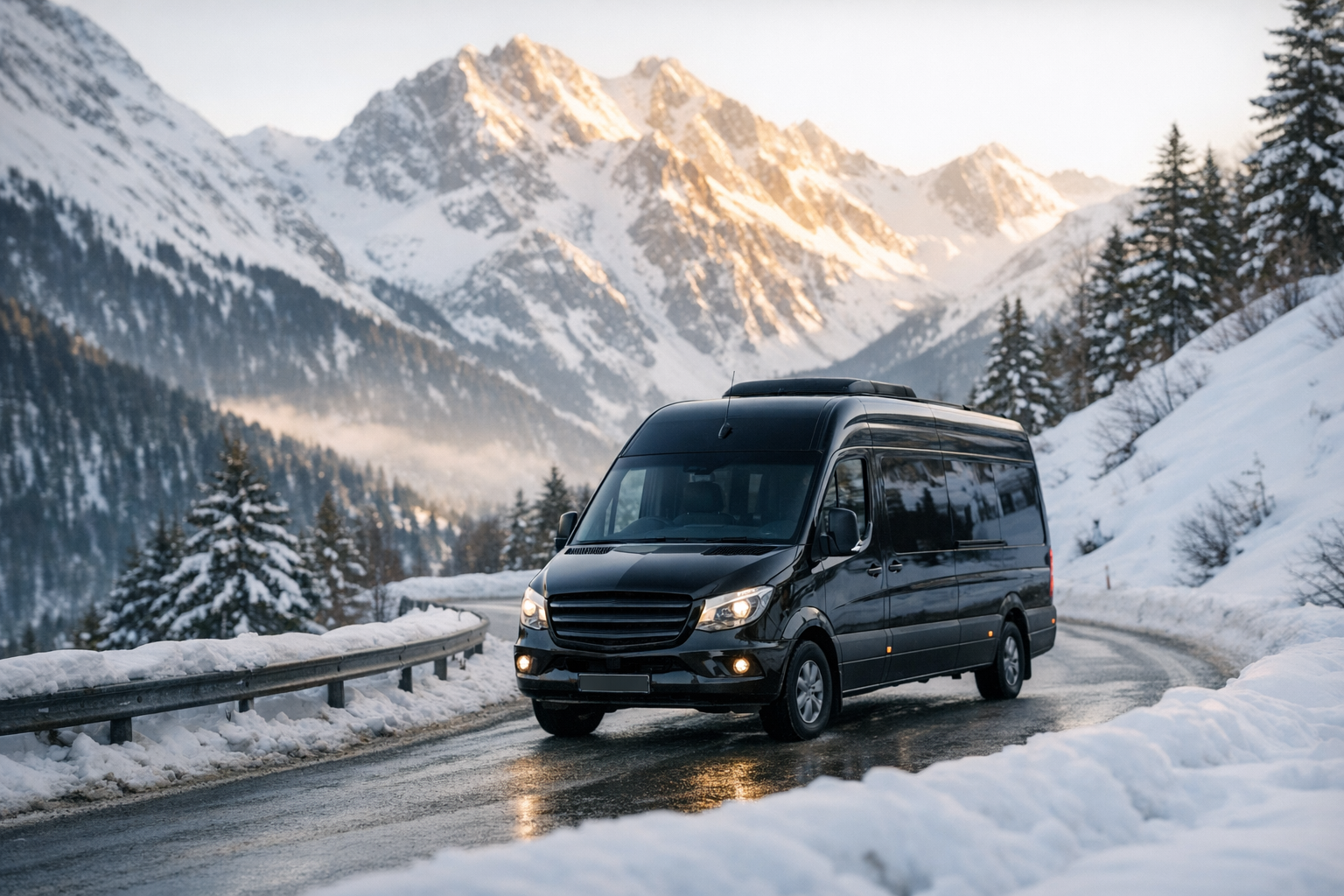
Val d'Isère is more accessible than its remote mountain setting might suggest, with several credible gateway options depending on your origin.
Geneva Airport (GVA) is the most popular choice for international visitors. At roughly 160 kilometres from the resort, the transfer takes 2.5–3 hours by road. Shared shuttle services from Geneva run approximately €45–€65 per person each way, while a private vehicle for up to eight passengers costs €280–€380. Reputable operators include Ben's Bus, Alps2Alps, and Mountain Transfers. Booking in advance is essential at Christmas and February — demand regularly outstrips supply during peak periods.
Chambéry Airport (CMF), approximately 130 kilometres away, is the closest airport and primarily serves UK charter flights in peak season. Transfer times of around two hours and fares of €35–€55 per person shared make it an efficient option when routes are available.
Lyon Saint-Exupéry (LYS) at 210 kilometres and Turin Caselle (TRN) at approximately 140 kilometres via the Fréjus tunnel are solid alternatives, particularly when Geneva is congested or flights are significantly cheaper.
For travellers willing to consider the train — and they should — the options are excellent. From Paris Gare de Lyon, a direct TGV reaches Bourg-St-Maurice in approximately 3.5 hours, with fares from around €50 each way when booked 90 or more days in advance via SNCF. From Bourg-St-Maurice, the 32-kilometre road transfer to the resort takes about 40 minutes by Altibus scheduled coach (€15–€20 per person) or roughly €70–€90 by taxi.
The Eurostar Ski Train from London St Pancras to Bourg-St-Maurice runs as a direct Friday night service throughout the ski season from December to April, covering the distance in 7–8 hours overnight. Fares start from approximately €70–€200 each way, and this service books out months in advance — treat it like a popular concert, not a routine commuter train.
Drivers coming from Geneva have two main route options: the A40 via Chamonix and the Mont Blanc Tunnel, or the A43 via Albertville and Bourg-St-Maurice on the N90. Allow €30–€45 in motorway tolls each way. Winter tyres or snow chains are legally required in the Isère valley under French law from November 1st, with fines of €135 for non-compliance. Parking in the village is limited and expensive at around €20–€25 per day in the Palafour underground car park. Arriving via La Daille and using the free parking with the free village shuttle bus is the sensible alternative for drivers. For luxury private transfers from any of these airports directly to your accommodation, professional car services can be arranged in advance — a worthwhile investment for larger groups or families with significant ski equipment. Our guide to [airport transfer services](/airport-transfer-services/) covers how to book these efficiently, and our [car hire comparison](/car-hire-europe/) can help if you prefer driving independence through the Alps.
Where to Stay in Val d'Isère: Accommodation for Every Budget
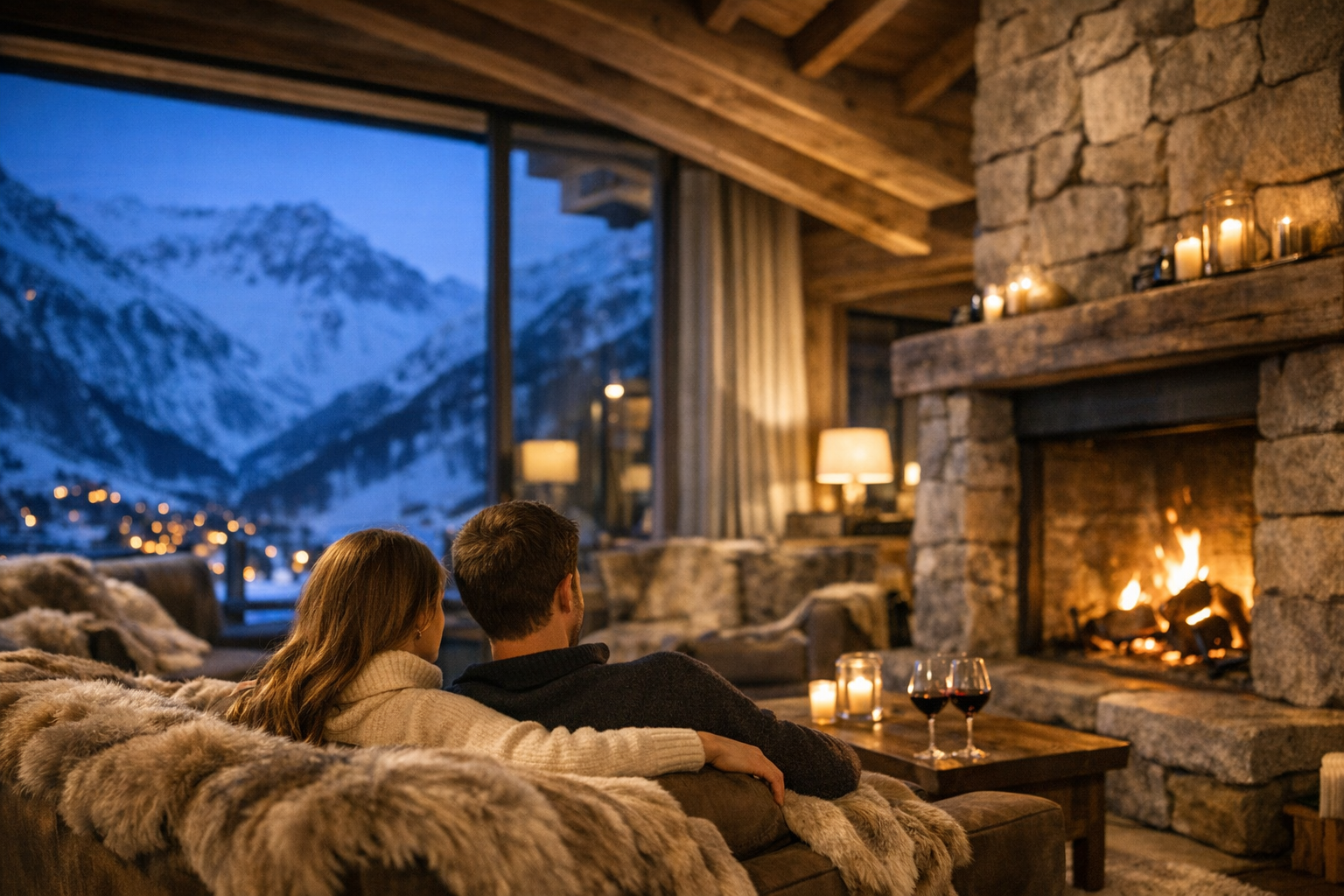
Accommodation in Val d'Isère spans a wider range than the resort's luxury reputation might suggest, though it is important to be honest: this is not a budget destination by any measure, and even the most modest options require meaningful investment during peak weeks.
Budget and self-catering options are concentrated mainly in La Daille satellite village, where studio apartments start from roughly €600–€800 per week in low season and rise to €1,200–€1,800 at Christmas. Budget hotels in the resort itself begin at around €80–€120 per night in off-peak periods, climbing to €200–€350 per night over Christmas.
Mid-range four-star hotels such as the Hôtel Altitude offer doubles from approximately €200–€250 per night in low season, rising to €400–€600 during the festive period. Self-catering résidences like Balcons de Bellevarde offer two-bedroom apartments from €1,200–€1,600 per week low season, reaching €3,000–€4,500 at Christmas. Club Med Val d'Isère provides an all-inclusive format popular with families, with packages from approximately €1,200–€1,800 per person per week including flights from the UK.
Luxury properties dominate the resort's identity and its property pages. The Hôtel Tsanteleina's ski-in/ski-out position and reliable service make it a perennial favourite at €300–€400 per night low season. The W Val d'Isère, which opened in 2023 as part of the Marriott portfolio, has established itself as the resort's most contemporary luxury address, with standard rooms from €600–€1,000 per night and suites reaching €2,000–€5,000 per night over Christmas. The Hôtel Avenue Lodge operates at a similar price point.
Private catered chalets operated by British companies — Ski Total, YSE, Descent International, Powder White, and Bramble Ski among them — represent excellent value for groups, with all-in rates including meals and wine running approximately €800–€1,500 per person per week. Private luxury chalet rentals range from roughly €5,000 per week for a modest property sleeping six to well over €100,000 per week for the resort's most prestigious addresses.
Booking timelines matter enormously. For Christmas and New Year, securing accommodation by March–June of the same year is not overcautious — it is the realistic minimum. February half-term requires bookings three to six months in advance. January and March offer the most flexibility, with some last-minute availability possible, though the best properties are never last-minute. Platforms such as Vrbo list a selection of private chalets and apartments, and booking through these channels occasionally surfaces properties that do not appear in traditional ski tour operator catalogues. For comprehensive travel planning support including accommodation booking strategy, our [European travel planning guide](/europe-travel-planning/) provides a structured framework.
Plan this trip
Hotels in Val d'Isère Ski Pistes, Prices & - Season
Top-rated hotels with free cancellation. Best price guaranteed.
Search Hotels →Compare Car Rentals
Compare 500+ suppliers — Hertz, Enterprise, Sixt & more.
Find Cars →Vacation Rentals
Entire homes and condos — more space, more privacy.
Browse Rentals →Ski Schools, Lessons & Equipment Hire
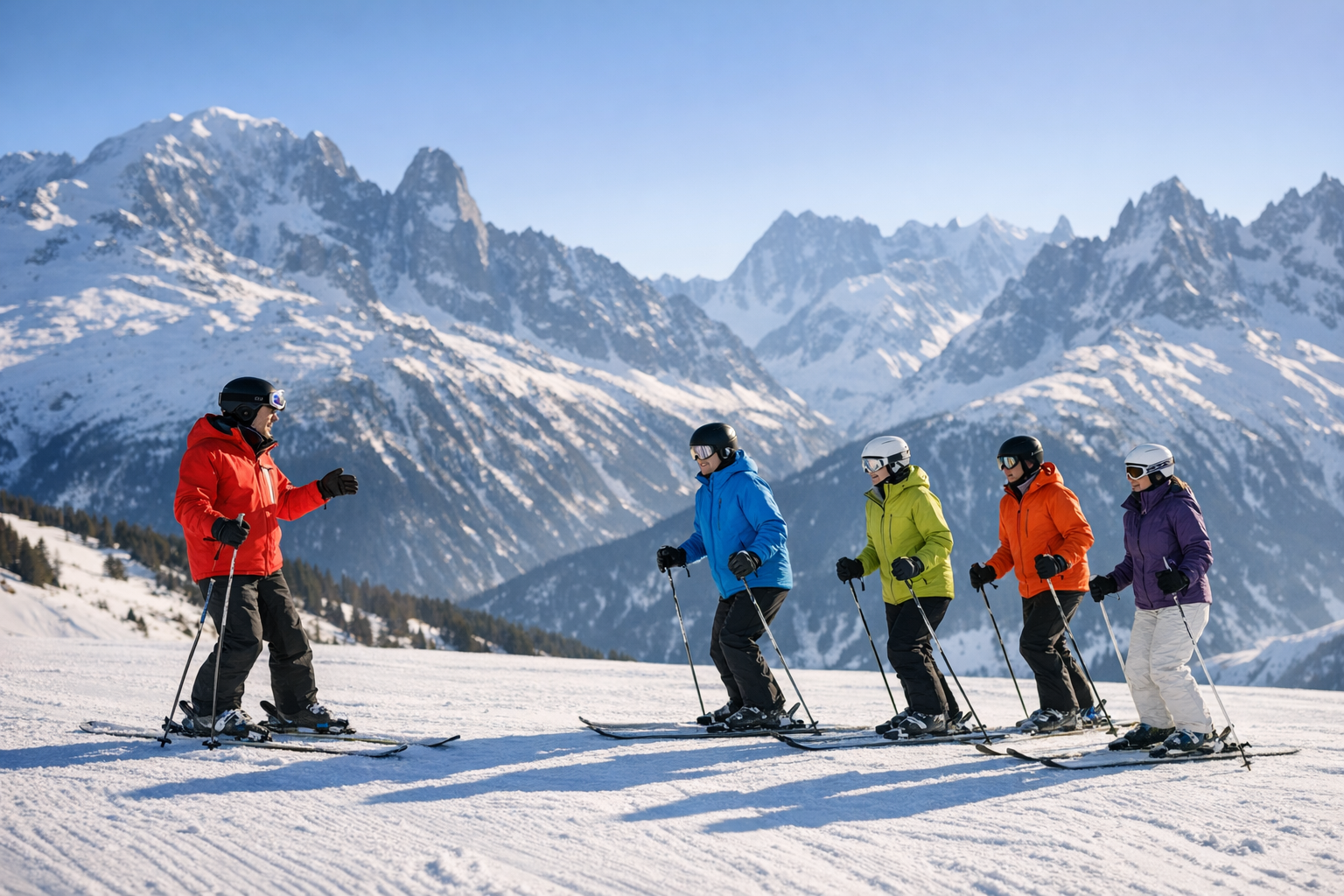
Instruction quality varies significantly across Val d'Isère's multiple ski schools, and matching the right provider to your needs — language preference, ability level, age of children — makes a material difference to how much you improve during a week's skiing.
The ESF Val d'Isère (École du Ski Français) is the largest operation, employing the greatest number of instructors and running the widest range of group class formats. Adult group lessons across six mornings (2.5 hours each) cost approximately €170–€220, while private instruction runs €65–€90 per hour covering one to four people. The Piou-Piou Club accepts children from age three to five, and the full junior programme begins at four years old. Book at least two to four weeks ahead for peak season via esf.net — popular timeslots sell out faster than most visitors expect.
For English-speaking adults, particularly nervous returners or intermediates seeking to break through a technique plateau, New Generation Ski School (New Gen) has built a strong reputation in Val d'Isère. British-run and highly organised, New Gen offers private lessons at €65–€85 per hour and six-day group programmes at approximately €190–€240. BASS (British Alpine Ski School) operates at a similar level with private rates around €70–€90 per hour.
For off-piste development specifically, Parallel Dreams and Evolution 2 Val d'Isère both specialise in guiding experienced skiers beyond the piste boundary in a structured, safety-conscious environment.
Equipment hire in the village and at La Daille is competitive, with a typical six-day adult package — mid-range carving skis, boots, and poles — running approximately €100–€150. Booking hire online before arrival saves both money (typically 15–25% discount) and the queue time on arrival day, which at peak periods can add 30–45 minutes to your first morning.
Practical Tips for Planning Your Val d'Isère Trip
A few ground-level observations that separate the experienced Val d'Isère visitor from the first-timer can save you significant frustration on the mountain.
Start your days early. The Olympique gondola from the village is the main artery into the Bellevarde sector and generates the longest queues of any lift in the resort. Being at the gondola station at 8:45am rather than 9:30am routinely means the difference between boarding immediately and a 30-minute wait. Alternatively, use the Daille gondola from La Daille — it feeds the same sector with consistently shorter queues because fewer people make the short bus or taxi journey.
For weather and snow conditions, the resort's own valdisere.com provides daily snowpack reports, and Météo France mountain forecasts (meteo.fr) are the most reliable source for multi-day planning. Off-piste skiers should check the ANENA avalanche bulletin at anena.org/bra every single morning — it is updated by 8am and covers the entire Tarentaise region.
Mobile connectivity on the mountain is good by Alpine standards, with 4G coverage across most of the ski area. The Val d'Isère app is worth downloading for live lift status, piste conditions, and the ski map in offline mode.
For dining on the mountain, La Fruitière at La Daille is the resort's most prestigious mountain restaurant with mains running €25–€45, and a reservation several days in advance is mandatory during peak weeks. The Chez Nano table service restaurant on Bellevarde offers traditional Savoyard cuisine at €20–€35 per main and a more relaxed atmosphere.
Finally, travel insurance is not a luxury for a ski trip of this calibre — it is essential. Helicopter evacuation from the mountain costs several thousand euros in the worst cases, and a broken wrist requiring surgery and extended stay can run to five figures. Specialist ski travel insurance covering off-piste activities, equipment theft, and piste closure should be purchased before any other booking. Our [travel insurance guide for ski holidays](/travel-insurance-ski-holidays/) outlines what to look for in a policy.
With the right preparation — pass booked in advance, accommodation secured months ahead, arrival timed for mid-January or mid-March if possible, and a guide engaged for any off-piste ambitions — Val d'Isère delivers a ski experience that few resorts anywhere in the world can match.
Plan this trip
Hotels in Val d'Isère Ski Pistes, Prices & - Season
Top-rated hotels with free cancellation. Best price guaranteed.
Search Hotels →Compare Car Rentals
Compare 500+ suppliers — Hertz, Enterprise, Sixt & more.
Find Cars →Vacation Rentals
Entire homes and condos — more space, more privacy.
Browse Rentals →Frequently Asked Questions
Val d'Isère alone covers approximately 100 kilometres of marked pistes across six sectors. When combined with Tignes as part of the Espace Killy ski area, the total rises to around 300 kilometres across 154 runs served by 89 lifts.
Based on 2024-25 confirmed prices and the typical 3–5% annual increase, an adult six-day Espace Killy pass for 2025-26 is estimated at approximately €350–€375 during peak season and €310–€335 off-peak. Always purchase online in advance via valdisere.com or espacekilly.com for the best rate and potential early-bird discounts of up to 15%.
Mid to late January (roughly 10–25 January) is widely considered the optimal period: the snowpack is at its most reliable, crowds are manageable, and accommodation rates drop back from Christmas peaks. March is an excellent second choice with longer days, spring snow quality at altitude, and lighter crowds than February half-term.
Chambéry Airport (CMF) is the closest at approximately 130 kilometres, with a transfer time of around two hours. However, Geneva Airport (GVA) is the most popular gateway due to its greater flight choice, despite being about 160 kilometres away and requiring a 2.5–3 hour transfer.
Yes, though Val d'Isère is primarily an intermediate-to-expert resort. The Solaise sector offers genuine beginner and lower-intermediate terrain with good sunshine and properly graded nursery slopes. The ESF and New Generation ski schools both run beginner programmes. True novices should be aware that the resort's character skews toward more advanced skiing.
Val d'Isère is one of France's finest off-piste destinations, but it carries genuine avalanche risk. The ANENA avalanche bulletin (anena.org/bra) should be checked every morning. Hiring a qualified guide through the Bureau des Guides Val d'Isère is strongly recommended — private guiding costs approximately €350–€500 per day, with shared group rates around €60–€90 per person.
The Eurostar Ski Train runs as a direct Friday night service from London St Pancras to Bourg-St-Maurice throughout the ski season (December–April). The journey takes approximately 7–8 hours overnight, with fares from around €70–€200 each way. From Bourg-St-Maurice, a 40-minute Altibus coach (€15–€20 per person) or taxi completes the transfer to Val d'Isère. This service is extremely popular and books out months in advance.
For Christmas and New Year, booking by March to June of the same calendar year is the realistic minimum for any reasonable selection. February half-term requires three to six months of lead time. January and March offer more flexibility, though the best chalets and hotels fill quickly regardless of timing. Budget accommodation at peak periods can be sold out a full year in advance.