Why Florida Belongs on Every Traveler's Bucket List
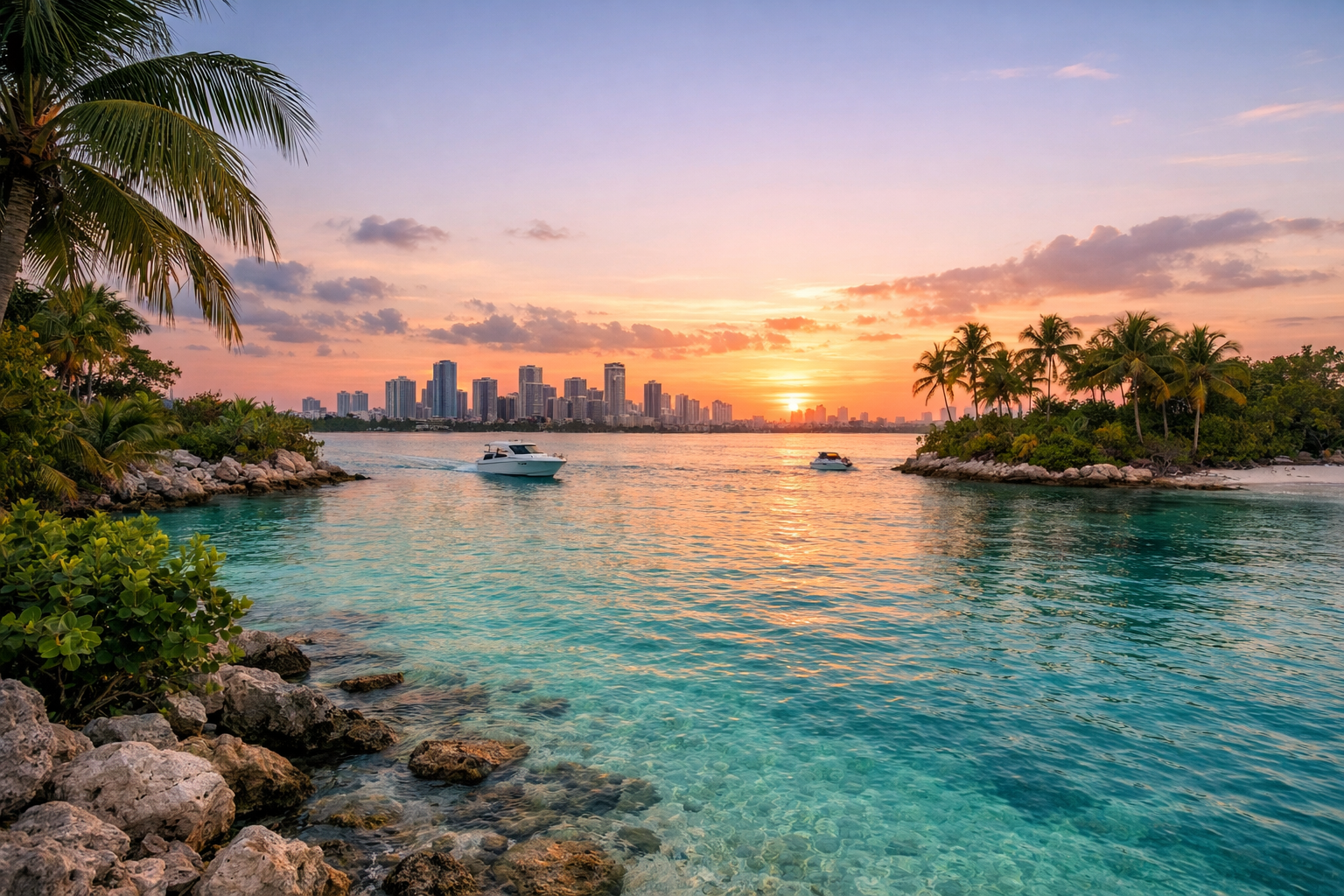
Florida is, by almost every metric, one of the most visited places on Earth. The Sunshine State generates more than $100 billion in annual tourism revenue, welcomes over 21 million domestic and international visitors to Orlando alone each year, and stretches across 663 miles of beaches along 1,350-plus miles of coastline. Whether you're drawn by world-class theme parks, art deco architecture, coral reef snorkeling, or fresh-caught stone crab claws on South Beach, Florida delivers an experience that few destinations anywhere can match.
What many travelers don't realize is how dramatically the experience changes depending on when you visit and which corner of the state you choose. Florida's capital is Tallahassee — not Miami, not Orlando, despite what popular perception suggests. The Pensacola area in the state's northwest panhandle operates on Central Time, a full hour behind the rest of the state. Understanding these nuances before you book will shape your entire trip.
For most travelers, the question isn't whether to visit Florida — it's how to structure a visit that doesn't leave money on the table or hours standing in avoidable lines. This florida travel guide breaks the state down region by region, giving you the verifiable facts, current pricing, and practical strategies that actually make a difference on the ground.
Best Time to Visit Florida: Season-by-Season Breakdown
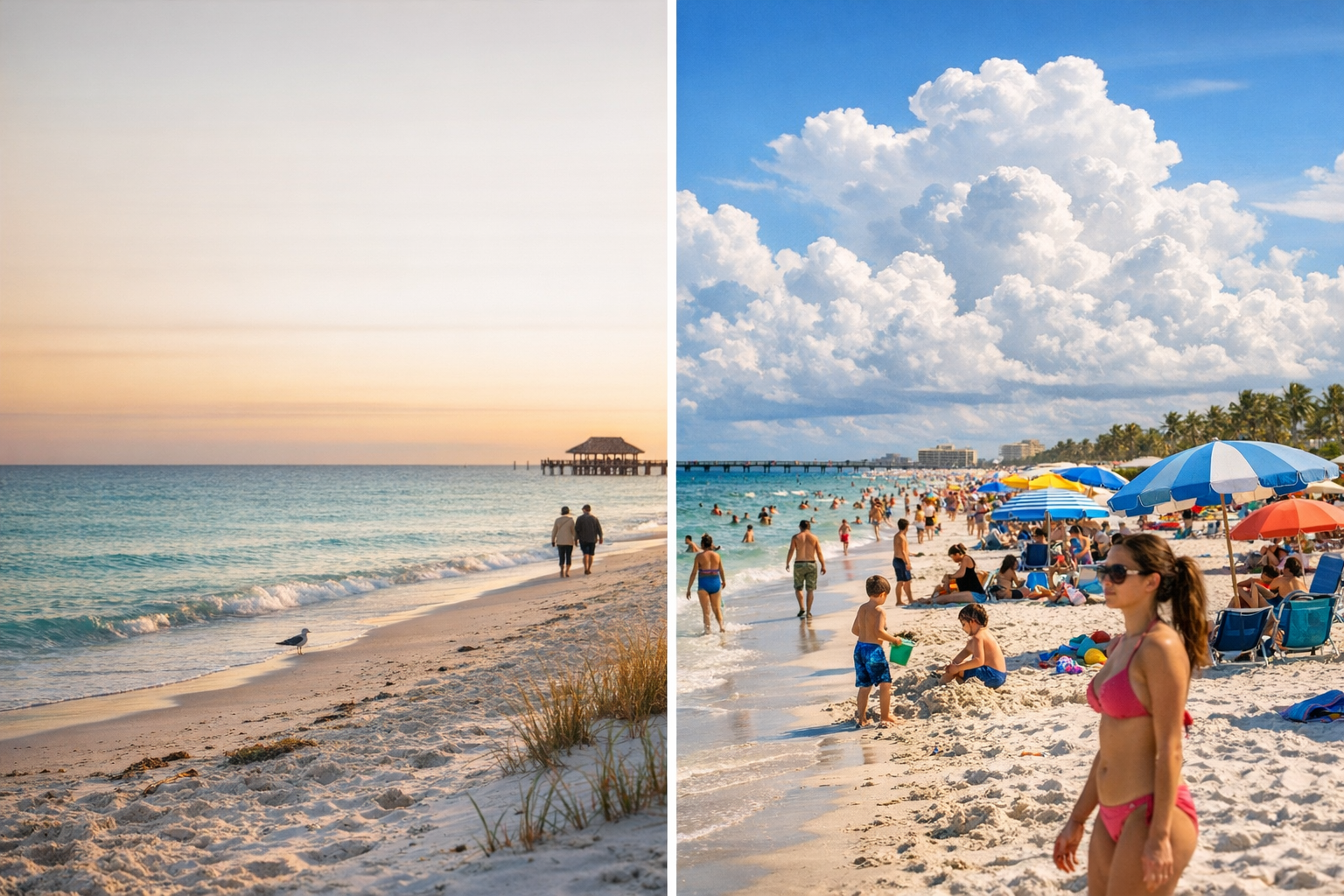
Timing your Florida trip correctly can mean the difference between paying $450 a night for a Miami Beach hotel and paying $180 for the same room. It can also mean a 20-minute wait for a Disney ride versus a 120-minute ordeal in the summer heat.
Peak Season (December through April) is universally regarded as the best weather window. Temperatures hover between 65°F and 82°F with low humidity and minimal rainfall. This is snowbird season — retirees from the Northeast and Midwest migrate south in enormous numbers — and hotel prices reflect that demand. Miami Beach properties average $250 to $450-plus per night during January through March. Spring Break (mid-March through mid-April) adds college students to the mix, pushing Miami, Daytona Beach, and Panama City Beach to their annual crowd peaks. If you're visiting Disney during this period, budget accordingly and book months in advance.
Shoulder Season (May and November) offers one of the best value propositions in American travel. May temperatures climb into the 80–88°F range but crowds thin after spring break, and hotel rates run 20 to 40 percent below peak pricing. November stays comfortably warm — 72–82°F — right up until the Thanksgiving holiday rush. Families who can travel during these windows often get peak-quality experiences at off-peak prices.
Summer (June through August) is the season of contradictions. Heat indexes routinely reach 100–105°F, afternoon thunderstorms arrive almost daily like clockwork, and yet Florida's theme parks fill to capacity with school-age families. Wait times for major rides at Universal and Disney regularly stretch to 90–120 minutes. Off-site Orlando hotels do drop mid-week, with options available for $90 to $180 per night, providing some relief on accommodation costs.
September and October represent the deepest value in Florida travel — and the highest risk. Hurricane season runs June 1 through November 30, with the statistical peak falling squarely in August through October. During this window, theme park wait times can plummet to 20–40 minutes for headliner attractions, and Disney resort rooms have been known to drop to $150–$200 per night. Travel insurance is not optional if you're booking a Florida trip in September or October — it's a requirement for any traveler who takes their itinerary seriously.
For most first-time visitors balancing weather, crowds, and budget, late April to early May or the first two weeks of November represent the sweet spot in the florida travel guide destinations calendar.
Orlando Theme Parks: Walt Disney World, Universal, and Beyond
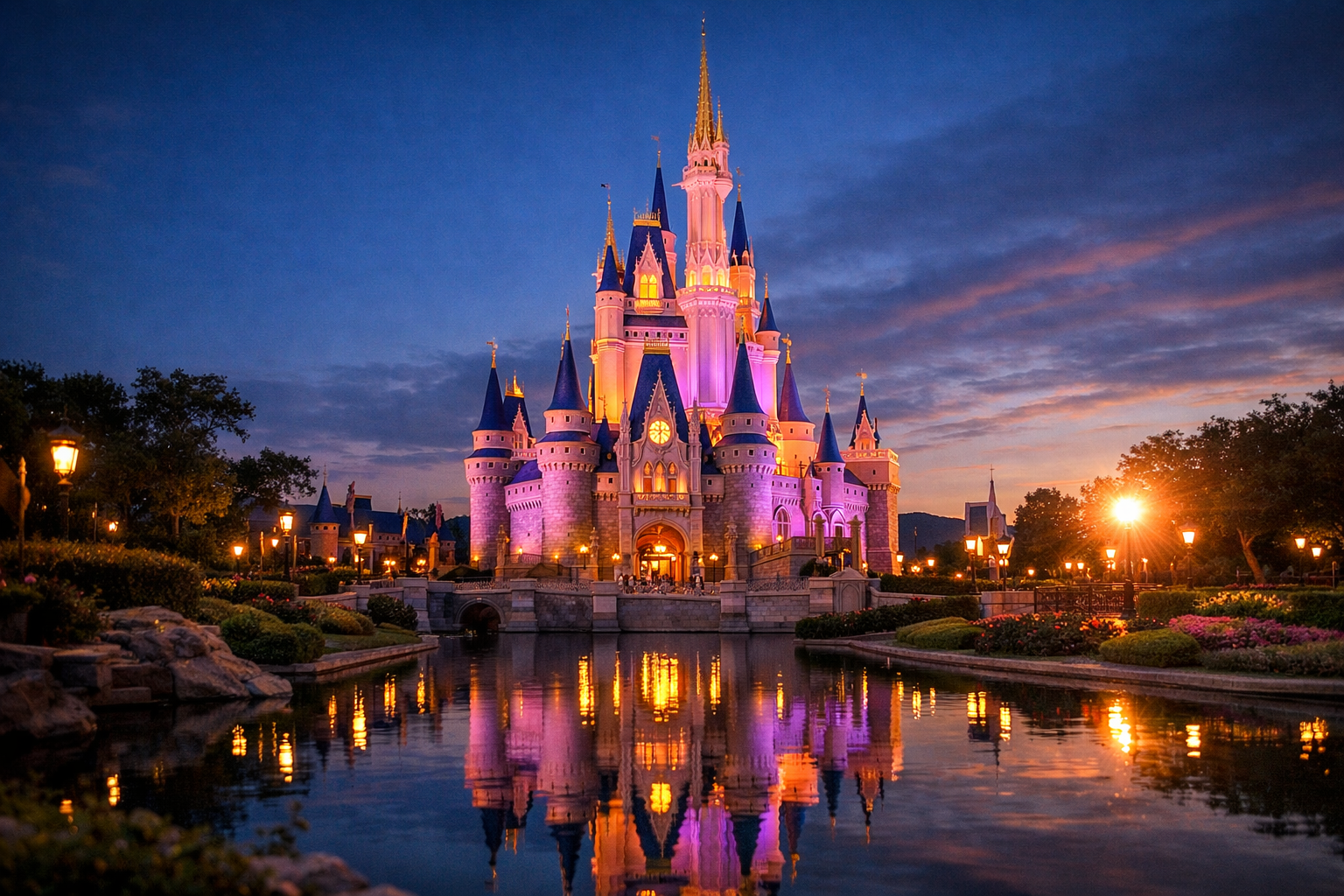
No florida travel guide would be credible without a frank, numbers-driven look at Orlando's theme park ecosystem — the most concentrated collection of major parks on the planet.
Walt Disney World Resort occupies roughly 27,000 acres in Lake Buena Vista, about 20 miles southwest of downtown Orlando — a footprint roughly equivalent to the entire city of San Francisco. Date-based ticket pricing for Magic Kingdom ranges from $109 to $189 per day in 2025, while EPCOT, Hollywood Studios, and Animal Kingdom run $104 to $179 per day. The Park Hopper add-on costs $65–$75 per ticket. Disney's Lightning Lane Premier Pass, which replaced the Genie+ system, runs $30–$130 per person per day depending on park and date — a meaningful budget line item for families.
Disney's Dining Plan returned in 2024 after a COVID-era hiatus. The Quick Service plan runs approximately $57 per adult per day; the Standard plan approximately $94. On the accommodation side, Value resorts like Pop Century and Art of Animation run $130–$220 per night, Moderate resorts like Port Orleans and Coronado Springs run $200–$320, and Deluxe resorts including the Grand Floridian and Contemporary command $450–$900-plus nightly. The Disney Villains Land expansion at Magic Kingdom has been announced and is currently under construction, with a tentative 2026 opening date that will reshape the park's footprint.
Universal Orlando's Epic Universe, which opened on May 22, 2025, is the single biggest development in Florida theme park history in decades. Universal's fourth gate spans approximately 750 acres and comprises five distinct worlds: the Wizarding World of Harry Potter – Ministry of Magic (set in 1920s Paris), How to Train Your Dragon – Isle of Berk, Super Nintendo World (the first in the eastern United States, with a Mario Kart ride and Donkey Kong Country), a Universal Monsters horror-themed world, and Celestial Park as the central hub. Epic Universe tickets start at approximately $109–$179 per day and are not automatically included in existing Universal multi-park passes — visitors need to purchase updated three-park or four-park passes, which run $149–$239 depending on date.
At the existing Universal parks, Hagrid's Magical Creatures Motorbike Adventure at Islands of Adventure has been consistently ranked the number-one theme park ride in the world by the Themed Entertainment Association, and wait times regularly exceed 60–120 minutes without an Express Pass. Budget-conscious visitors should note that Universal's Endless Summer Resort starts at just $80–$140 per night for on-site accommodation — the most affordable on-property option in all of Orlando.
SeaWorld Orlando at 7007 SeaWorld Drive offers day tickets frequently discounted to $49–$69 online (face value $79–$109), and annual passes start at approximately $99 — making it one of the best per-dollar value parks in the region. The Mako hypercoaster reaches 73 mph and remains one of Florida's top steel coasters. LEGOLAND Florida in Winter Haven, about 45 miles southwest of Orlando, is purpose-built for children aged 3–12 and charges $79–$99 per day. Fun Spot America, with locations in the city of Orlando itself, offers free parking and all-day wristbands for $38–$55 — a genuinely refreshing alternative for families on tighter budgets.
For travelers who need reliable transportation between Orlando attractions, explore our ground transportation options to understand the full range of shuttle, private car, and rental vehicle choices available for navigating the greater Orlando area.
Plan this trip
Hotels in Destinations
Top-rated hotels with free cancellation.
Search Hotels →Hotels in Destinations
Top-rated hotels with free cancellation.
Search Hotels →Compare Car Rentals
Compare suppliers — Hertz, Enterprise, Sixt & more.
Find Cars →Vacation Rentals
Entire homes and condos — more space, more privacy.
Browse Rentals →Miami: Art Deco, Beaches, Culture, and Nightlife
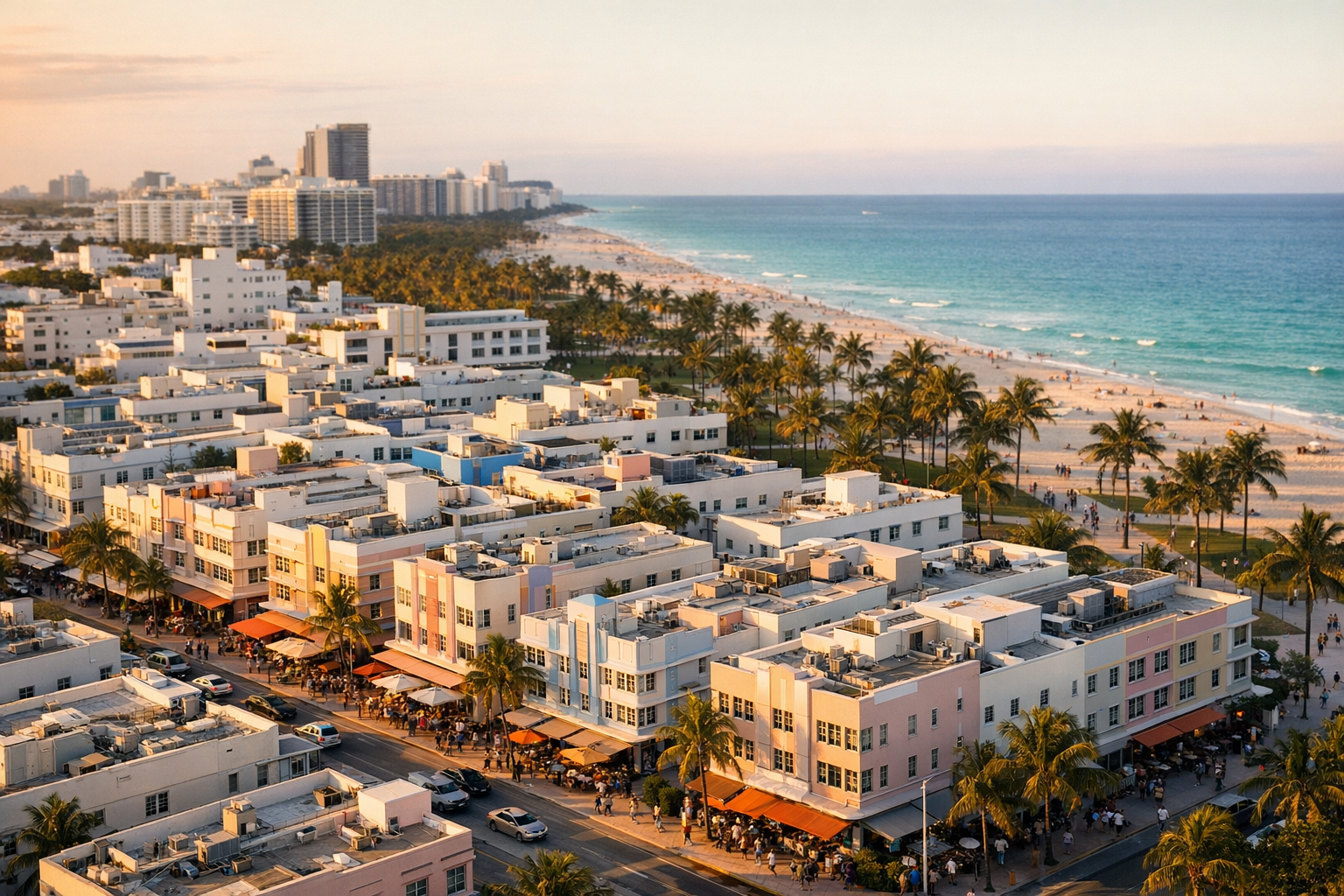
Miami operates at a frequency unlike anywhere else in the United States. The Miami-Dade metro area is home to 2.7 million residents and functions as an international city in the truest sense — English and Spanish are spoken in near-equal proportion, with Brazilian Portuguese adding to the linguistic landscape of neighborhoods like Brickell and Wynwood. Miami Beach is a separate municipality situated on a barrier island, approximately 8 miles from Miami International Airport (MIA); expect $20–$35 by rideshare or $35–$45 by taxi for that transfer.
The Art Deco Historic District along Ocean Drive — running between 5th and 15th Streets in South Beach — contains more than 800 Art Deco buildings, the largest and most intact concentration of the architectural style anywhere in the world. The Art Deco Welcome Center at 1001 Ocean Drive offers 90-minute guided walking tours for $25 per person with multiple daily departures. Lummus Park Beach, accessible directly from Ocean Drive, is a free public beach that rivals any in the country. Entrance is simply a matter of showing up.
Miami's neighborhoods each tell a distinct story. Wynwood's Wynwood Walls admission is $12 per person, though the building exteriors can be viewed free around the clock, making it both a paid cultural experience and a free street-art destination simultaneously. Little Havana centers on Calle Ocho (SW 8th Street), where a cafecito at an outdoor ventanita runs $2–$4 and the Versailles Restaurant at 3555 SW 8th Street has operated as an unofficial embassy of Cuban culture since 1971. Coconut Grove's Vizcaya Museum and Gardens — a Gilded Age Italianate villa with 10 acres of formal gardens — charges $25 for adults and $18 for youth, representing one of the most distinctive museum experiences in Florida.
For cultural institutions, the Pérez Art Museum Miami (PAMM) on Biscayne Bay charges $20 for adults and offers free admission on second Saturdays. The Frost Museum of Science, sharing Museum Park with PAMM, charges $34 for adults and $25 for children, with its multi-story aquarium and planetarium included. The Everglades National Park lies approximately 30 miles southwest of Miami, charges $35 per vehicle for entry, and airboat tours from nearby commercial operators run $35–$65 per person — an accessible half-day excursion from the city.
Water activities off South Beach run from paddleboard and kayak rentals at $35–$60 per hour to snorkeling trips departing from Key Biscayne at $45–$75 per person for a half-day. Parasailing runs $45–$85 per person.
Miami's dining scene rewards exploration at every price point. Joe's Stone Crab on South Beach — medium claws run approximately $45 per order — operates only during the stone crab season from October through May and draws lengthy waits without reservations. Miami Spice Restaurant Month in August and September offers three-course prix fixe lunches for $30 and dinners for $60 at some of the city's most acclaimed tables — timing a Miami visit around this program delivers extraordinary value.
Hotel pricing in Miami follows a pronounced seasonal arc. South Beach budget options run $80–$150 per night, mid-range properties like the Circa 39 Hotel run $150–$280, and the luxury tier is genuinely luxurious: the Faena Hotel lists at $500–$1,500-plus per night, The Setai at $600–$2,000-plus, and 1 Hotel South Beach, the eco-luxury property, at $400–$800. Travelers seeking better value while remaining close to South Beach should consider the Surfside and Bal Harbour neighborhoods, just 10–15 minutes north, where quality hotels run $150–$350 per night.
Getting around Miami without a car is increasingly viable. The Metromover automated rail system is completely free in the downtown and Brickell corridors. The Miami Beach Trolley, also free, runs along Collins Avenue and Washington Avenue. Brightline high-speed rail now connects Miami to Fort Lauderdale in approximately 30 minutes for $10–$20, and to Orlando in roughly 3.5 hours for $79–$149 depending on class — a legitimate alternative to driving the I-4 corridor.
The Florida Keys: Coral Reefs, Key West, and the Overseas Highway
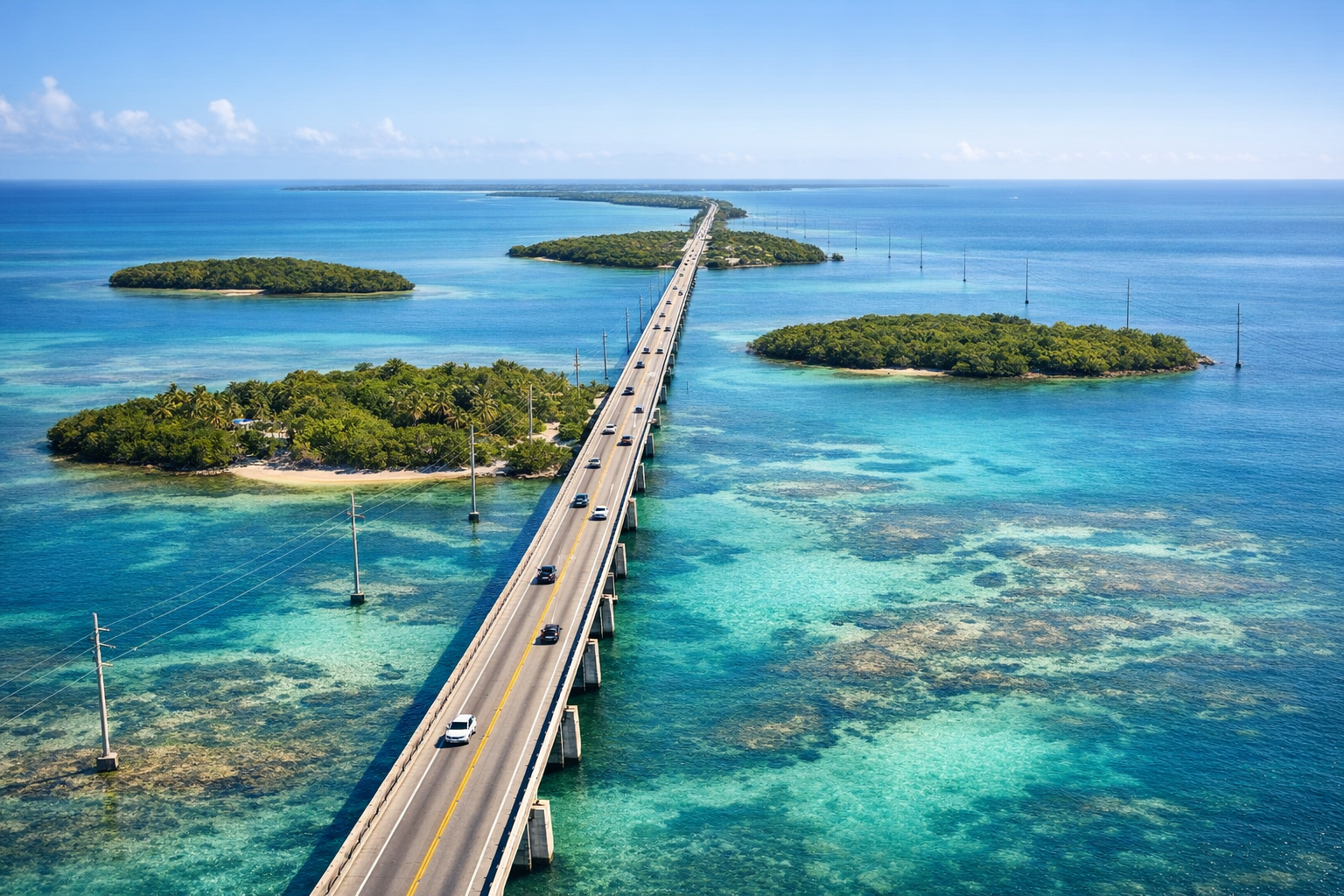
The Florida Keys are one of the genuinely singular experiences in North American travel — 113 miles of islands connected end to end by the Overseas Highway (US-1), stretching from Florida City south of Miami all the way to Key West at Mile Marker 0. The drive from Miami to Key West covers approximately 160 miles and takes 3 to 3.5 hours in light traffic, though the two-lane nature of most of the Overseas Highway means an accident or a slow RV can add an hour with no alternative route. Addresses throughout the Keys use the Mile Marker system, running from MM 126 near Florida City down to MM 0 at the southernmost point of the continental United States.
Key Largo (MM 106–90), the closest key to Miami at roughly 55 miles south, is the gateway to John Pennekamp Coral Reef State Park — the first underwater park established in the United States. The park charges $9 per vehicle for up to eight people plus $0.50 per person. Glass-bottom boat tours run $32 for adults and $25 for children (2.5 hours), snorkel tours cost $39 for adults and $30 for children with equipment included, and two-tank scuba dives run approximately $85 per person. The submerged Christ of the Abyss statue at 25 feet depth is among the most photographed underwater landmarks in the Western Hemisphere. For divers and snorkelers, Pennekamp ranks as the best reef experience accessible without a boat charter in all of Florida.
Islamorada (MM 90–73) brands itself as the sportfishing capital of the world — a claim that the size and variety of its charter fleet supports convincingly. Robbie's Marina at MM 77.5 is famous for its tarpon feeding experience: $3 entry and $4 for a bucket of fish to hand-feed massive tarpon that congregate at the dock. Half-day fishing charters here run $600–$900 for the entire boat, typically split among a group of four to six anglers.
Bahia Honda State Park at MM 37, technically in the Marathon section, is consistently rated one of the finest beaches in the entire United States. The $8 per vehicle entry buys access to powder-white sand, remarkably clear shallow water, and kayak rentals for independent exploration. The Turtle Hospital in Marathon offers guided tours for $22 per adult and $11 for children — an educational stop that resonates especially strongly with families traveling with younger children; advance booking is essential as tours sell out regularly.
Key West (MM 0) is the jewel of the chain. With approximately 25,000 permanent residents and over one million annual visitors, it functions as an entirely self-contained destination. The nightly Mallory Square Sunset Celebration — street performers, local artisans, and the communal watching of the sunset over the Gulf — is free, beloved, and worth arriving 30 minutes early to secure a good vantage point. The Ernest Hemingway Home and Museum at 907 Whitehead Street charges $20 for adults and $7 for children, with more than 50 six-toed cats — descendants of a polydactyl cat given to Hemingway himself — roaming the property freely. Fort Zachary Taylor State Park at the island's southwest tip charges $6 per vehicle and offers both Key West's best beach and a preserved Civil War-era fort.
For the most adventurous travelers, Dry Tortugas National Park sits 70 miles west of Key West and is accessible only by ferry or seaplane. The Yankee Freedom III ferry costs $220 per adult and $155 per child round-trip, a 2.5-hour crossing each way that includes snorkeling gear and lunch. Seaplane service through Key West Seaplane Adventures runs $350–$450 per person for a half-day or $550–$700 for a full day. The fort and surrounding reef system are among the most pristine in the entire Atlantic basin.
For travelers planning a road trip through the Keys, our travel planning resources can help you map the optimal overnight stops between Key Largo and Key West, balancing drive times against the activities available at each island grouping.
Plan this trip
Hotels in Destinations
Top-rated hotels with free cancellation.
Search Hotels →Hotels in Destinations
Top-rated hotels with free cancellation.
Search Hotels →Compare Car Rentals
Compare suppliers — Hertz, Enterprise, Sixt & more.
Find Cars →Vacation Rentals
Entire homes and condos — more space, more privacy.
Browse Rentals →Practical Florida Travel Tips: Getting Around, Budgeting, and Staying Safe
Florida rewards travelers who do their homework before they arrive. A few structural realities of the state shape nearly every trip regardless of destination.
Transportation is the first variable to solve. Florida has no statewide public transit network worth relying on for intercity travel — with one notable exception. Brightline's high-speed rail line now connects Miami, Fort Lauderdale, West Palm Beach, Boca Raton, and Orlando, with Miami to Orlando journeys running approximately 3.5 hours at $79–$149 depending on class. For travel within the major metros, Miami's Metromover (free) and Metro Rail ($2.25 per ride) handle downtown and Brickell circulation. In Orlando, theme park shuttles from on-site hotels handle the heavy lifting, but a rental car opens up everything from Kennedy Space Center (about an hour east on the Atlantic coast) to Clearwater Beach (about 90 minutes west on the Gulf).
Rental car booking well in advance in Florida — particularly during peak season — is not an overcautious suggestion; it is a financial strategy. Cars booked 6–8 weeks ahead can run 30–50% less than last-minute bookings at Orlando International Airport (MCO), which is the second-busiest airport in the state after Miami International. Our car rental guide provides current strategies for finding the best rates at Florida's major airports.
Budgeting requires accounting for Florida's 6% statewide sales tax, with certain counties adding up to 2% more — meaning restaurant meals and retail purchases in Miami-Dade or Orange County cost up to 8% above listed prices. Theme park parking adds another meaningful line item: Disney charges $30 per day for standard parking (free for resort guests), while Universal charges comparable rates. Budgeting $30–$50 per day per person for food at major theme parks is realistic if you're purchasing meals inside park gates; bringing snacks and a refillable water bottle significantly reduces that figure.
Hurricane preparedness is non-negotiable for anyone visiting June through November. Hurricane season runs June 1 through November 30, with August through October representing the statistically highest risk period. Travel insurance that includes trip cancellation for named storms should be purchased at the time of initial booking — policies purchased after a storm is named typically exclude that specific event. Monitor the National Hurricane Center at nhc.noaa.gov in the days before your departure during hurricane season.
Health and safety in the water requires awareness of rip currents, which cause approximately 100 drowning deaths per year in the United States, the majority on Florida beaches. Swim at beaches with lifeguard coverage, respect posted flag systems (double red = water closed), and never swim in areas posted with alligator warnings — Florida has an estimated 1.3 million alligators statewide.
For personalized itinerary planning, route optimization between Florida destinations, or assistance with booking private transportation between Miami, the Keys, and Orlando, our concierge travel planning service connects you with specialists who work exclusively with Florida itineraries.
Frequently Asked Questions
Late April to early May and the first two weeks of November offer the best combination of warm weather, manageable crowds, and reduced hotel rates. Temperatures remain pleasant at 72–88°F, spring break crowds have dissipated by late April, and November stays comfortably warm ahead of the Thanksgiving holiday surge. Both windows see hotel rates run 20–40% below peak-season pricing.
Disney World ticket prices in 2025 use date-based pricing. Magic Kingdom runs $109–$189 per day; EPCOT, Hollywood Studios, and Animal Kingdom each run $104–$179 per day. Adding a Park Hopper option costs $65–$75 per ticket. The Lightning Lane Premier Pass (skip-the-line access) adds $30–$130 per person per day depending on the park and date. Parking for non-resort guests costs $30 per day for standard parking.
No. Epic Universe, which opened May 22, 2025, requires a separate ticket purchase or an upgraded multi-park pass. The existing 2-Park pass covers Universal Studios Florida and Islands of Adventure only. To include Epic Universe, visitors need at least the 3-Park pass ($149–$219 depending on date) or a new annual pass tier. Epic Universe day tickets start at approximately $109–$179.
The drive from Miami to Key West covers approximately 160 miles along the Overseas Highway (US-1) and takes 3 to 3.5 hours under normal traffic conditions. The Keys road is predominantly two lanes with limited passing opportunities, so a single accident or slow-moving vehicle can add 30–60 minutes. Early morning departures on weekdays minimize delays. Allow extra time on Friday afternoons and holiday weekends when southbound traffic can be heavy.
Miami offers strong free experiences. The Art Deco Historic District along Ocean Drive can be explored entirely without cost. Wynwood's famous building murals are visible 24/7 from the street for free. Little Havana's Calle Ocho is free to walk. Lummus Park Beach and South Pointe Park are free public beaches. The Metromover automated rail in downtown and Brickell is completely free. PAMM (Pérez Art Museum Miami) offers free admission on the second Saturday of each month.
John Pennekamp Coral Reef State Park in Key Largo is the first underwater park established in the United States. The park protects living coral reef formations in remarkably clear water and is widely considered the best snorkeling destination accessible to non-divers in all of Florida. Snorkel tours cost $39 for adults and $30 for children with equipment included. The famous Christ of the Abyss bronze statue rests at 25 feet depth and is visible on most clear-water snorkel outings. Vehicle entry is $9 for up to eight people.
Yes — particularly if you're visiting between June and November during hurricane season. Florida's 2024 and 2025 hurricane seasons reinforced that named storms can form and make landfall within a week, disrupting travel plans entirely. Purchase travel insurance with trip cancellation coverage for named storms at the time of your initial booking, not after a storm develops. Policies purchased after a storm is named typically exclude that specific event. Even outside hurricane season, travel insurance provides meaningful protection given Florida's high concentration of non-refundable theme park tickets and resort deposits.
Brightline high-speed rail connects Miami to Orlando in approximately 3.5 hours. Fares run $79–$99 for Smart class and $89–$149 for Premium class, with trains departing multiple times daily. The Miami station is in downtown Miami (MiamiCentral), and the Orlando station is adjacent to Orlando International Airport (MCO). From MCO, the SunRail commuter train, rideshare services, or the Brightline station's on-site rental car facilities can carry you to your final Orlando destination. This is a practical car-free option for travelers whose itinerary is concentrated in these two cities.
Plan this trip
Hotels in Destinations
Top-rated hotels with free cancellation.
Search Hotels →Hotels in Destinations
Top-rated hotels with free cancellation.
Search Hotels →Compare Car Rentals
Compare suppliers — Hertz, Enterprise, Sixt & more.
Find Cars →Vacation Rentals
Entire homes and condos — more space, more privacy.
Browse Rentals →