
Mexico Travel 2026: Why It Should Top Your List
Mexico drew more than 42 million international visitors in 2024, according to the Secretaría de Turismo (SECTUR), placing it among the top ten most-visited countries on earth. That momentum is carrying into 2026. Expanded direct flight routes from the US and Canada, a growing luxury accommodation inventory, and consistently strong value relative to the US dollar make this a particularly good year to visit.
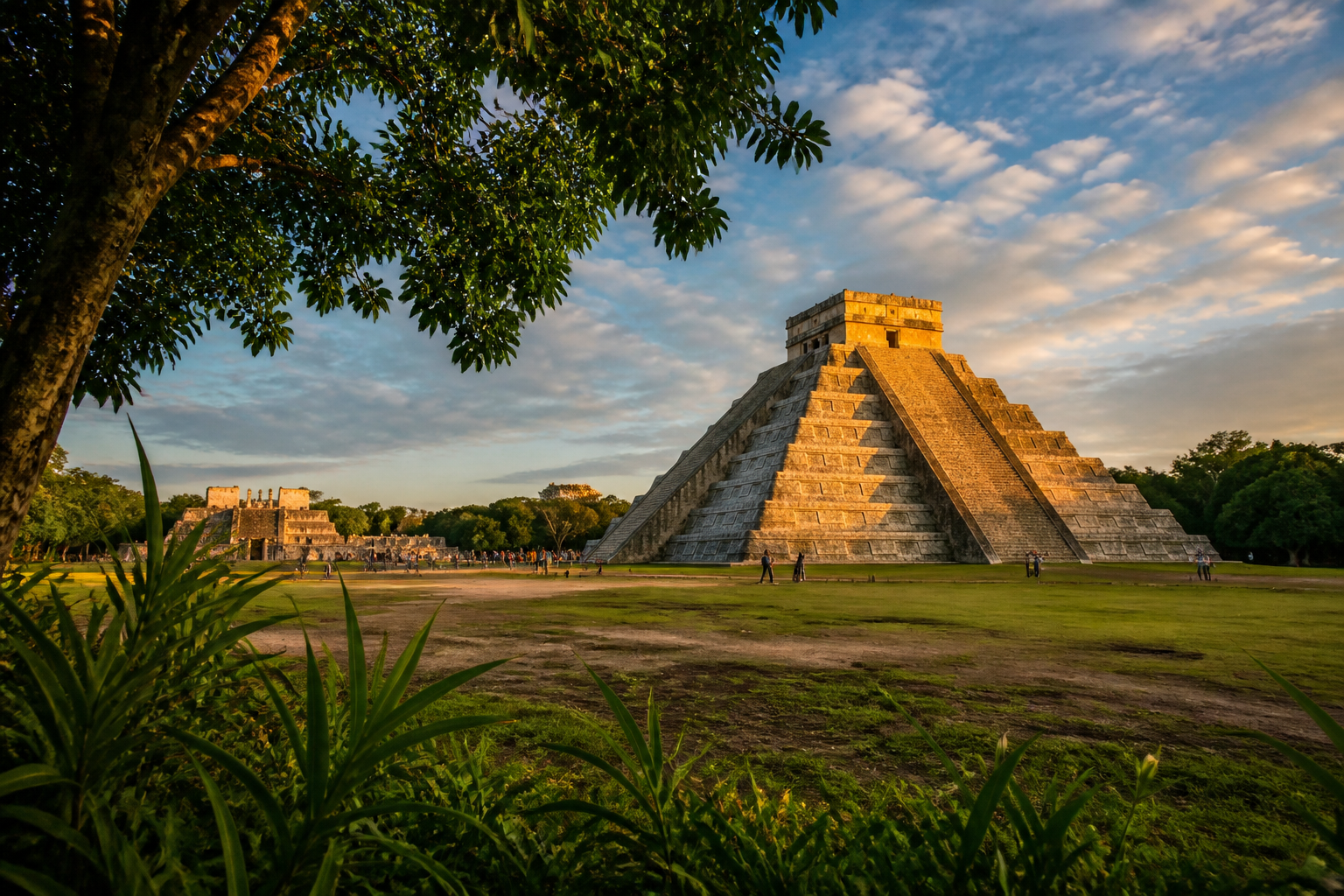
We recommend approaching a Mexico vacation not as a single-destination decision but as a regional one. The country spans 758,449 square miles (1,964,375 km²) and encompasses 31 states plus Mexico City. The climate, cuisine, infrastructure, and overall traveler experience in Cancún are entirely different from those in San Cristóbal de las Casas or Todos Santos. Mexico also holds 35 UNESCO World Heritage Sites as of 2026 — more than any other country in the Western Hemisphere — giving every type of traveler a world-class reason to commit to the trip.
This guide is built specifically for 2026 planning. We cover the highest-value vacation rental markets, the hotel properties we consider genuinely worth the rate, the most practical ground transportation strategies by region, and the seasonal timing that will most influence your experience and budget. Read it region by region, bookmarking the sections most relevant to your itinerary rather than treating Mexico as a monolith.
Top Mexico Travel Destinations for 2026
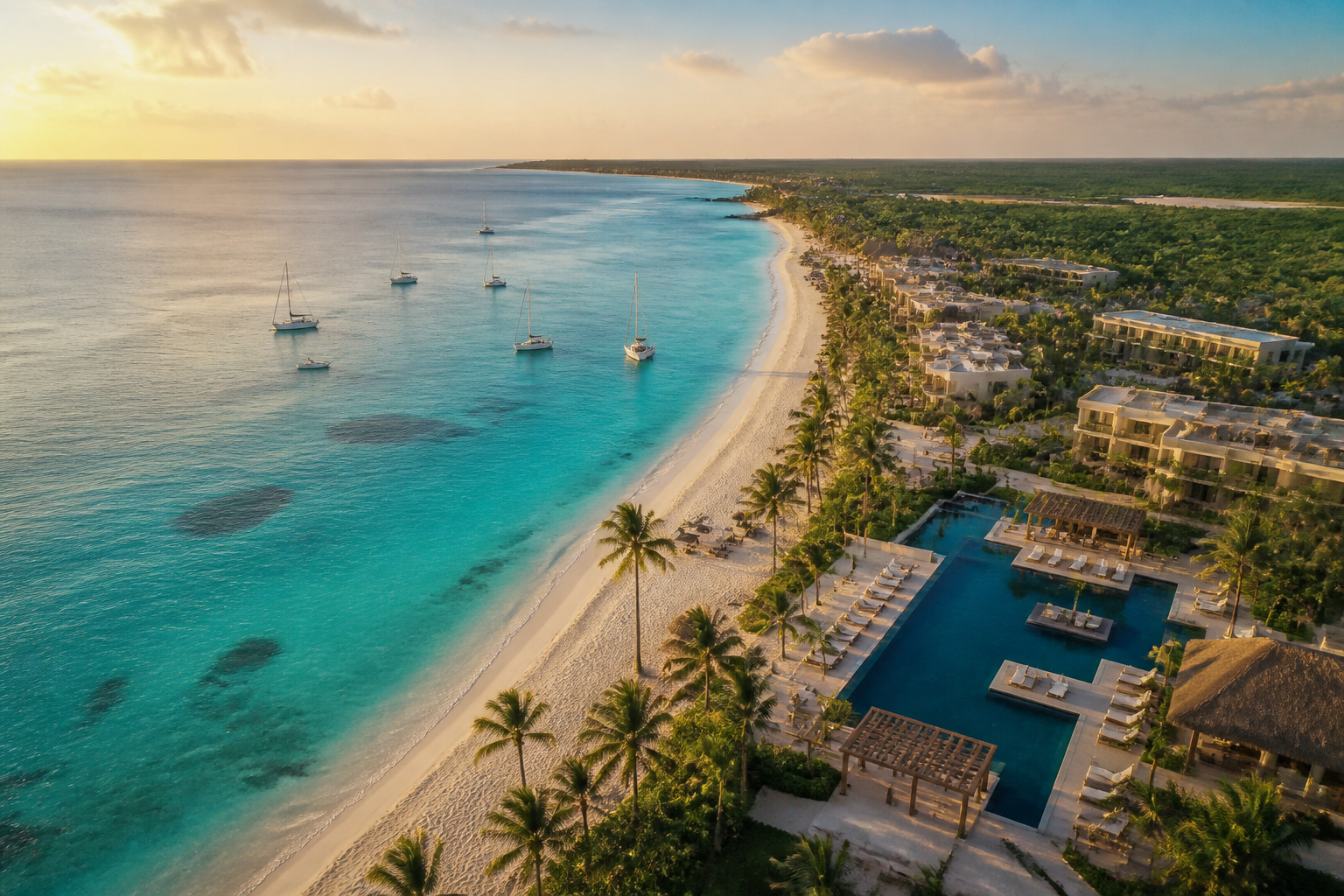
Cancún and the Riviera Maya remain the engine of Mexican tourism, collectively accounting for roughly 40% of all international arrivals. The Riviera Maya corridor stretches approximately 80 miles (130 km) south from Cancún to Tulum, connecting Playa del Carmen, Akumal, and the Sian Ka'an Biosphere Reserve — a UNESCO World Heritage Site protecting 1.3 million acres of tropical forest and coral reef. Cancún International Airport (IATA: CUN) processed more than 27 million passengers in 2024 and carries direct service from over 60 US cities, making it the most accessible entry point for North American travelers.
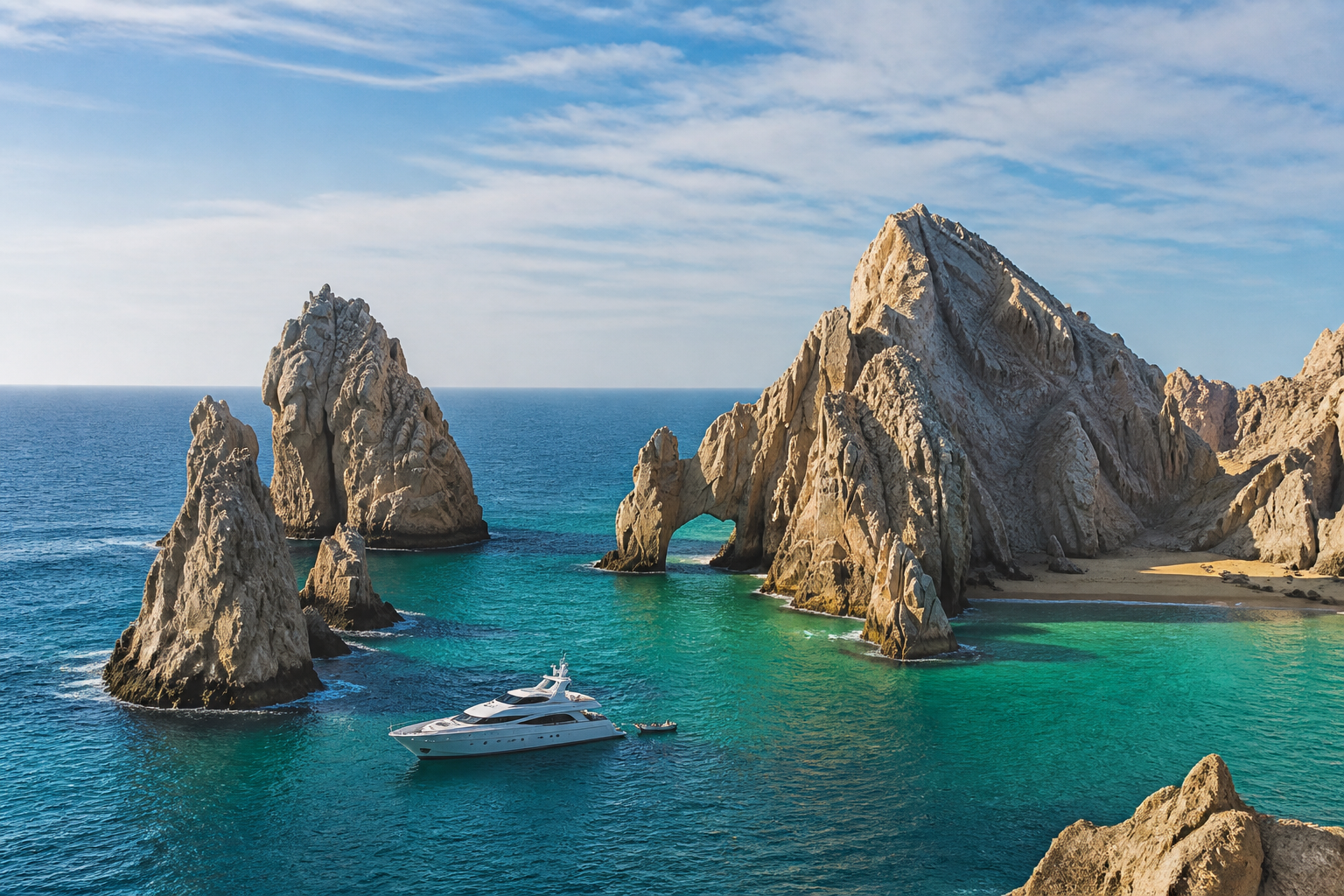
Los Cabos, at the southern tip of the Baja California Peninsula, is Mexico's fastest-growing luxury resort corridor. Los Cabos International Airport (IATA: SJD) recorded a 14% year-over-year passenger increase in 2023, a trajectory that continued through 2025. The destination divides between Cabo San Lucas — centered on its marina, nightlife, and deep-sea fishing fleet — and the colonial-era San José del Cabo, connected by a 20-mile (32 km) tourist corridor lined with boutique hotels, Jack Nicklaus and Greg Norman-designed golf courses, and world-class sportfishing operations targeting blue marlin and yellowfin tuna.
Puerto Vallarta, on Banderas Bay along Mexico's Pacific coast, has earned a consistent reputation as an exceptionally livable and genuinely charming destination. The Zona Romántica — the old town south of the Río Cuale — is a walkable grid of cobblestone streets, independent art galleries, and open-air seafood restaurants. A highway tunnel system completed in 2023 cut overland travel time between Guadalajara and Puerto Vallarta from approximately 5 hours to under 3.5 hours, opening up multi-city Pacific itineraries that were not previously practical.
For travelers drawn to history and gastronomy, we strongly suggest incorporating Mexico City (CDMX) or Oaxaca into any itinerary of 10 days or more. CDMX sits at 7,349 feet (2,240 m) above sea level and houses 179 museums — more than any other city in the Western Hemisphere, per UNESCO records — including the Museo Nacional de Antropología and the original Aztec Sun Stone. Oaxaca's historic center and the Monte Albán archaeological zone, jointly designated a UNESCO World Heritage Site in 1987, anchor a region that has also emerged as a major culinary destination, drawing serious attention from food travelers across Latin America and beyond.
Mexico Vacation Rentals: Top Picks for 2026
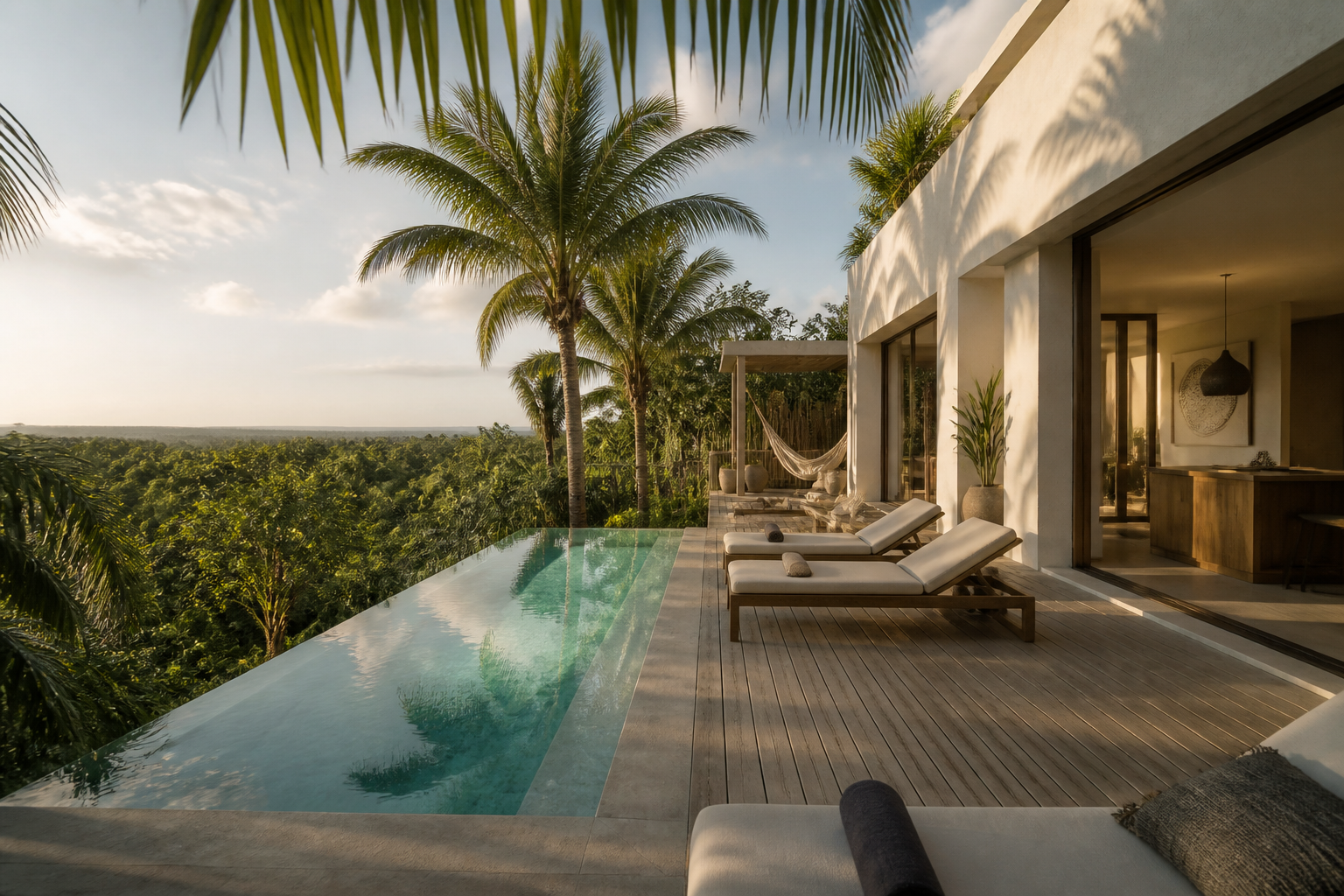
Mexico's vacation rental market has matured considerably since 2020, and we now consider it the superior option for families of four or more, friend groups, and travelers planning stays of one week or longer. The economics are straightforward: a three-bedroom villa with a private pool in the Tulum hotel zone averages $350–$550 per night, compared to $600–$1,100 per night for equivalent square footage split across two or three hotel rooms at a five-star resort in the same area. For stays of 14 nights or more, many hosts offer discounts of 15–25%, which can translate to savings of $1,500 or more on a single booking.
The Riviera Maya is the densest market for quality vacation rentals, with thousands of listings ranging from one-bedroom condos in Playa del Carmen's Corasol residential community to eight-bedroom beachfront estates in Akumal. We recommend filtering for properties with a private plunge pool — now a standard feature in Tulum and north Cancún listings — a fully equipped kitchen that allows self-catering breakfasts and cuts daily restaurant spend meaningfully, and verified check-in instructions. Many Riviera Maya properties are accessed through gated communities that require advance security registration; confirm this detail with the host before your arrival date.
In Los Cabos, we suggest concentrating searches on the Pedregal neighborhood of Cabo San Lucas, where dramatic Pacific-facing cliff homes offer some of the finest sunset views in all of Mexico, or the Querencia residential community in San José del Cabo — a guard-gated golf and equestrian enclave that provides a level of seclusion difficult to replicate at any hotel. Both neighborhoods sit within 15–20 minutes of the Marina Cabo San Lucas and SJD airport, respectively, keeping you connected without sacrificing privacy.
Before committing to any Mexico vacation rental, confirm that the property holds a valid Registro Nacional de Turismo (RNT) registration number — Mexico's national registry for short-term rental operators — and that the host maintains active property liability insurance. We encourage every reader to benchmark local market rates before negotiating or committing to a booking. The most reliable way to do that is to Find out what other vacation rentals in Mexico are renting for! before you sign anything. For travelers starting their search from scratch, the Vrbo Home Page provides robust filtering for pool access, beachfront location, pet-friendly policies, and verified guest reviews across every major Mexican resort corridor.
Plan this trip
Best Hotels in Mexico for 2026
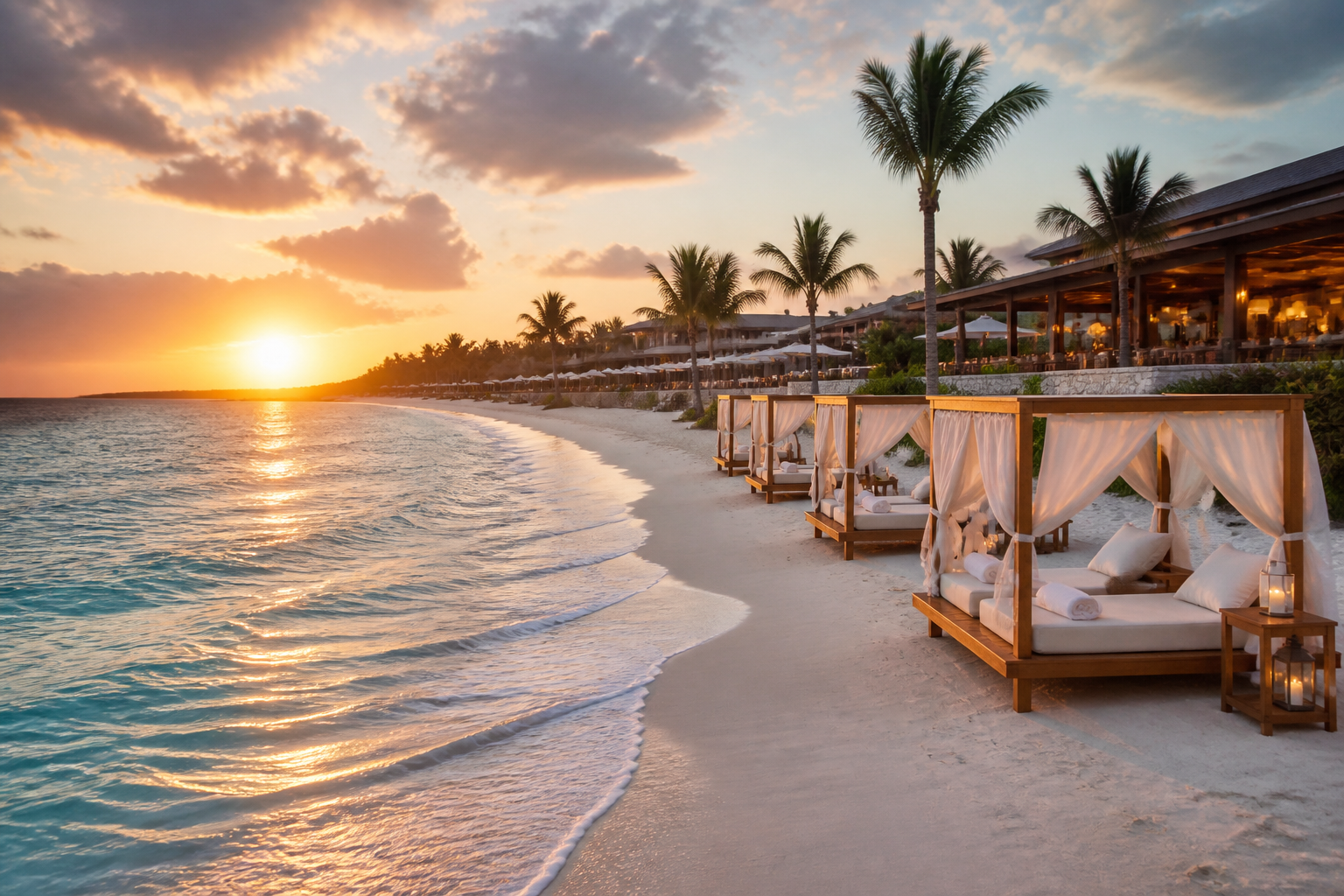
Mexico's hotel landscape in 2026 spans independently owned boutique inns in Oaxaca charging under $100 per night to ultra-luxury beachfront palaces in Los Cabos where base rates exceed $2,000 per night. We organize our recommendations around verified quality standards, consistent guest feedback, and genuine value-to-experience ratios — not simply the most expensive properties on the market.
In Cancún's Hotel Zone (Zona Hotelera), the all-inclusive format dominates by volume and continues to offer compelling value for families and couples who want cost certainty. The Hyatt Ziva Cancún — a 547-room AAA Four Diamond property positioned at the northern tip of the Hotel Zone on the Caribbean Sea — is among the most consistently praised resorts in this category. Its nine dining outlets, well-regarded kids' club, and direct Caribbean beachfront placement give it a genuine edge over similarly priced competitors. Average all-inclusive rates in early 2026 run $420–$680 per night per couple, covering unlimited dining and branded spirits, non-motorized water sports, and daily live entertainment programming. The Moon Palace Resort in the south Hotel Zone is a strong alternative for larger families, with 2,259 rooms and a dedicated water park on property.
For boutique experiences, Oaxaca City offers some of the most distinctive hotel stays in all of Mexico. El Camino Real Oaxaca, housed in a 16th-century Dominican convent at Calle 5 de Mayo 300 in the city center, is a 91-room property recognized as a member of the Leading Hotels of the World. Its cloistered courtyard pool, colonial-era art collection, and proximity to the Santo Domingo Cultural Center corridor make it a standout for history-focused travelers. Standard rooms begin at approximately $220 per night during the dry season (November through April).
In Los Cabos, One&Only Palmilla — a 173-room resort set on a private peninsula in San José del Cabo overlooking the Sea of Cortez — is consistently ranked among the top five resort hotels in Latin America by Condé Nast Traveler readers. The property features a Jack Nicklaus Signature golf course, four pools, and direct access to one of the only swimmable beaches in the Los Cabos corridor. Base rates start at approximately $1,200 per night for a standard room and exceed $6,000 per night for the two-bedroom pool villa.
We recommend using US - Save 10% or more on hotels with Member Prices to access member-only discounts at thousands of Mexican properties, including verified deals at all-inclusive resorts in Cancún and boutique hotels across Oaxaca and Sayulita. For travelers who prefer to browse Mexico's full hotel inventory before narrowing their search, the Evergreen Link for Hotels.com provides real-time availability and competitive pricing across all regions and price tiers. Based on our experience, booking at least 60 days in advance — and no fewer than 90 days for the December 20 through January 5 peak window — consistently secures both the best available rate and the room type you actually want.
Mexico Transportation Guide: Getting Around in 2026
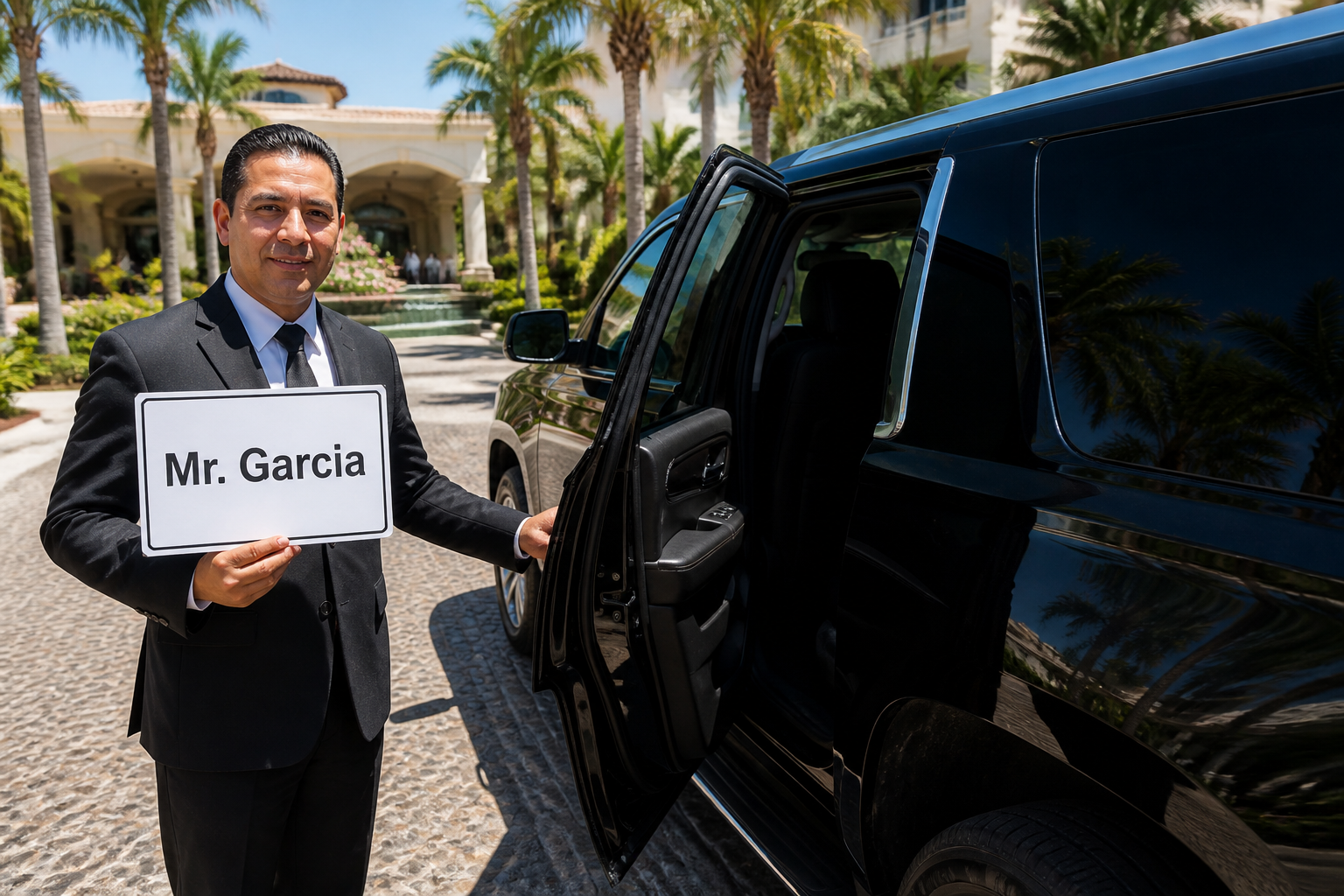
Ground transportation in Mexico varies dramatically by region, and matching your strategy to the specific itinerary will serve you better than defaulting to one mode for the entire trip. For travelers arriving at Cancún International Airport, the ADO bus service connects Terminal 3 (T3, international arrivals) with Playa del Carmen's main ADO terminal — located on Avenida 5 between Calles 12 and 14 — every 30–45 minutes from 8:00 AM to 10:00 PM. Journey time runs approximately 60–75 minutes with a fare of $12–$15 USD one-way per person. For solo travelers or couples with manageable luggage, this is the most economical option available and operates reliably.
For families, groups of three or more, and travelers arriving on late-night flights, pre-booked private transfers deliver significantly better value than shared shuttles, which can make multiple hotel stops en route. A private transfer from CUN Terminal 3 to Playa del Carmen in a Chevrolet Suburban — accommodating up to 6 passengers with full luggage — typically costs $75–$95 one-way and takes 55–65 minutes depending on Federal Highway 307 traffic. Groups traveling with larger cargo loads — dive equipment, surfboards, golf bags, or collapsible strollers — will find a Mercedes Sprinter van the most practical solution, with seating for up to 14 passengers and generous luggage storage throughout. For executive travelers and honeymooners who prefer a premium arrival, a Cadillac Escalade with a professional uniformed driver delivers a markedly elevated first impression of Mexico and is bookable through our luxury transportation services page at travelplaninfo.com/luxury-transportation/.
For independent exploration in Los Cabos or Puerto Vallarta — where public transit is limited and attractions are widely spread — renting a car is the most practical solution. We suggest comparing rates through the Evergreen Link for EconomyBookings.com, a rental aggregator that simultaneously queries Hertz, Avis, Dollar, and regional Mexican carriers at SJD and Puerto Vallarta International Airport (IATA: PVR), frequently surfacing deals 20–35% below walk-up counter rates. A valid US or Canadian driver's license is sufficient for tourist-duration stays in Mexico (up to 180 days). Mandatory third-party liability insurance is most efficiently purchased directly through the rental agency at the counter.
For intercity travel — combining Cancún with Mexico City or Oaxaca in a single trip, for example — domestic carriers AeroMéxico, Volaris, and VivaAerobus operate routes between major resort airports and both Mexico City's Benito Juárez International Airport (IATA: MEX) and the newer Felipe Ángeles International Airport (IATA: NLU), with base fares typically ranging from $40 to $120 USD one-way when booked 30 or more days ahead. For detailed coordination of airport arrival logistics — including terminal-specific pickup procedures at CUN, SJD, and PVR — we recommend our full resource at travelplaninfo.com/airport-transfers/.
Plan this trip
Best Time to Visit Mexico in 2026
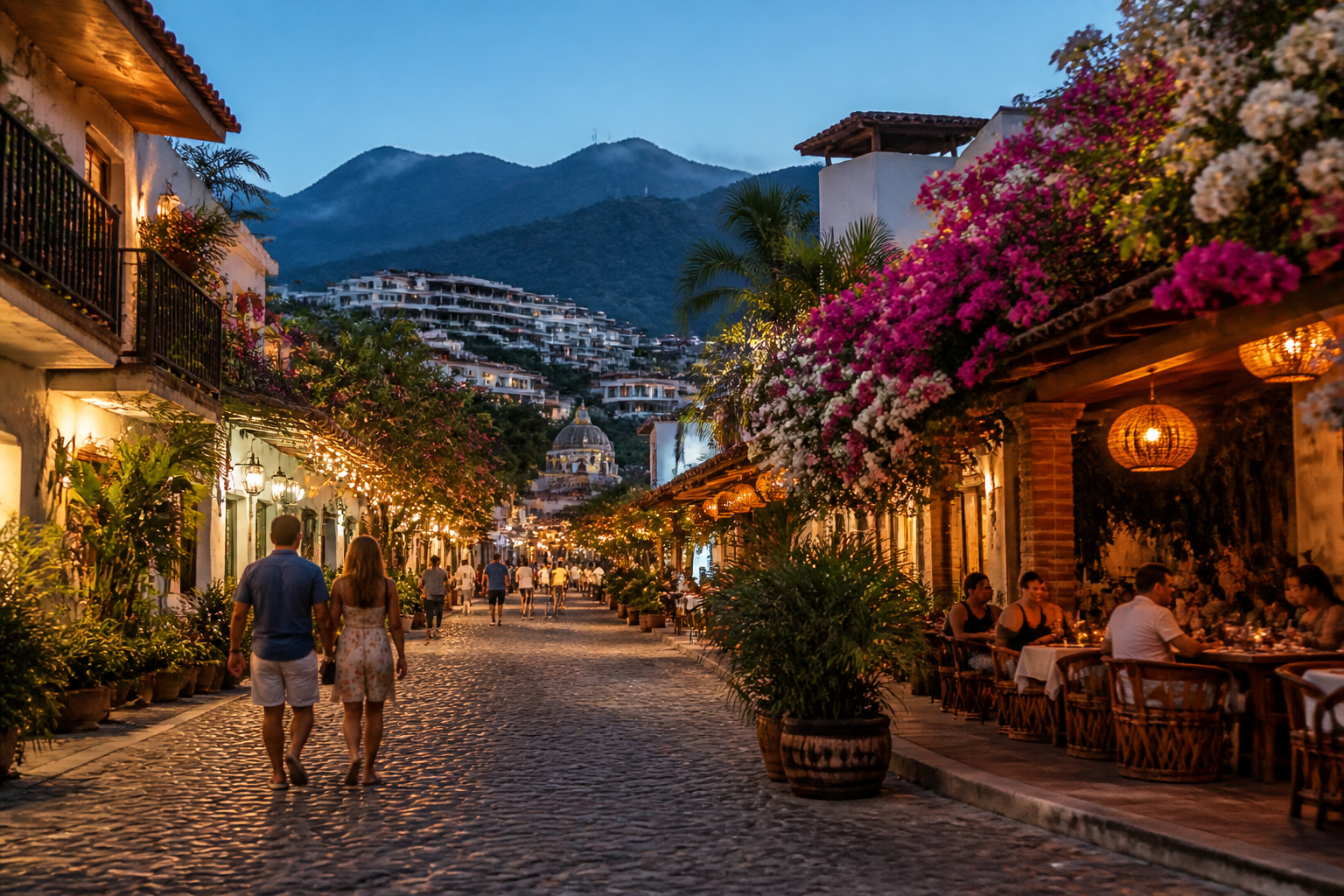
Timing has an outsized impact on both the Mexico vacation experience and what you pay for it. The peak tourist season along the Caribbean and Pacific coasts runs from approximately December 15 through April 15 — the dry season — when rainfall is minimal and average daytime highs range from 82°F (28°C) in Cancún to 86°F (30°C) in Los Cabos. Within this window, demand and rates peak most sharply over Christmas week (December 20–28, 2025), New Year's (December 29, 2025 through January 4, 2026), Semana Santa (Holy Week, April 13–19, 2026), and the US Presidents' Day weekend in February 2026.
Travelers with school-age children who cannot avoid these dates should plan to book flights and accommodation by no later than September 2026 for a December 2026 trip, and by January 2026 for an April 2026 visit. Hotel Zone properties in Cancún routinely sell out at peak rates six to eight months ahead of the Christmas window — this is not an exaggeration.
The shoulder season — May through early June and October through November — offers compelling value for travelers with schedule flexibility. Average resort rates in the Riviera Maya typically drop 25–40% in May and November relative to the December through March peak. The Caribbean coast does experience some rain in October and November, but precipitation tends to arrive as brief afternoon showers rather than sustained multi-day weather events. We caution firmly against planning beach-centric Caribbean trips from late August through early October, which represents the statistical peak of Atlantic hurricane season.
The Pacific coast destinations operate on a different meteorological calendar. Los Cabos' rainy season peaks in August and September with generally brief, isolated events that rarely disrupt beach or golf plans. Puerto Vallarta receives the majority of its annual rainfall during overnight showers from June through October. September in Puerto Vallarta, for instance, offers hotel rates 30–45% below December highs while Pacific ocean temperatures average 83°F (28°C) and mornings are reliably clear — a combination that makes it among the best-value beach months anywhere in Mexico.
Mexico Travel Tips 2026: Essential Planning Advice
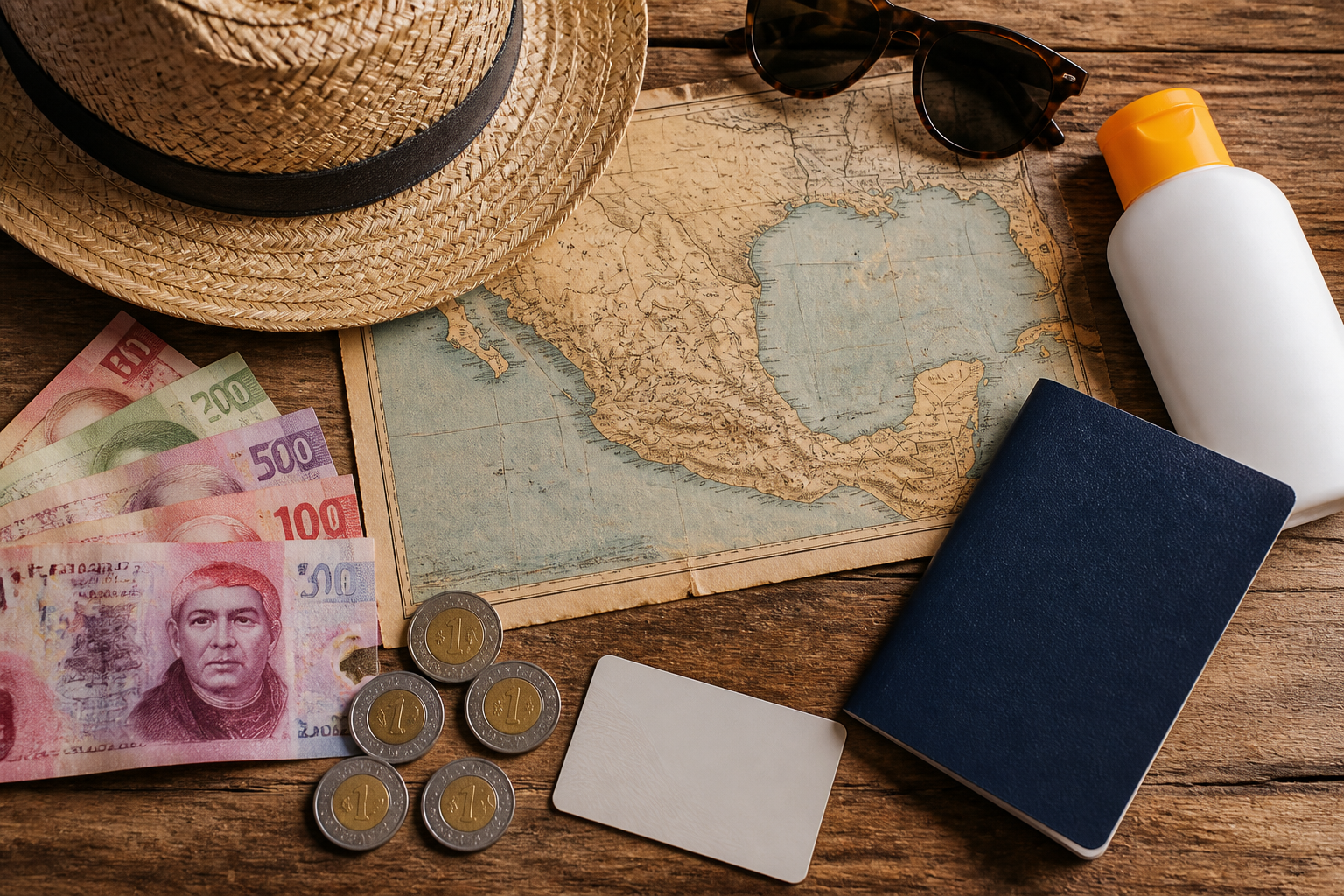
US citizens do not require a visa to enter Mexico for tourist stays of up to 180 days. Entry processing has been streamlined at major ports: Cancún International Airport began rolling out digital e-gate immigration processing in 2024, eliminating the paper Forma Migratoria Múltiple (FMM) tourist card for eligible travelers arriving from the United States. We recommend saving your digital immigration reference confirmation to your smartphone before departure, as it is requested at the exit gate when you depart Mexico.
Travel insurance is a necessity, not a luxury, for any Mexico trip. Medical evacuation from remote areas — the Copper Canyon, the Yucatán interior, or Baja's Pacific coast — can cost between $15,000 and $50,000 USD without coverage. We recommend purchasing a policy that explicitly includes emergency medical evacuation, trip cancellation for any reason, and coverage for adventure sports if your itinerary involves diving, surfing, or zip-lining. You can explore verified travel insurance options and compare policies through our dedicated resource at travelplaninfo.com/travel-insurance/.
Currency strategy matters more in Mexico than in most destinations. While US dollars are accepted at Hotel Zone properties in Cancún, Los Cabos, and Playa del Carmen, you will consistently receive better value in Mexican pesos for everyday spending — street tacos, OXXO convenience stores, Uber rides, and market purchases. We recommend withdrawing pesos from bank-affiliated ATMs inside airports or major shopping centers. Banamex, BBVA, and Santander machines typically apply near-interbank exchange rates with a modest fixed fee, making them far more favorable than currency exchange kiosks at tourist sites, which commonly carry spreads of 8–15%.
On the question of safety: destination-specific research matters considerably more than broad national generalizations. The US State Department applies its travel advisory system at the state level, not countrywide. As of early 2026, the most popular tourist destinations — Quintana Roo (Cancún, Tulum, Playa del Carmen), Baja California Sur (Los Cabos), Jalisco (Puerto Vallarta), and Oaxaca — remain at Level 2 (Exercise Increased Caution), the same classification currently applied to France, Germany, and the United Kingdom. Travelers who use pre-booked ground transportation through vetted providers, avoid unmarked street taxis, and remain within established resort corridors consistently report experiences indistinguishable in comfort and security from major European city trips. For the most current regional entry requirements, packing guidance, and destination-specific safety updates, we suggest bookmarking our full travel tips library at travelplaninfo.com/travel-tips/.
Plan this trip
Frequently Asked Questions
The dry season from December 15 through April 15 offers the most reliable beach weather across both the Caribbean and Pacific coasts. For value, the shoulder months of May and November deliver 25–40% lower resort rates with minimal disruption from rain.
No. US citizens do not require a visa for tourist stays of up to 180 days. Entry at major airports including Cancún (CUN) has been streamlined with digital e-gate immigration processing, which began rolling out in 2024 and eliminates the paper FMM tourist card for most eligible US travelers.
A three-bedroom villa with a private pool in Tulum averages $350–$550 per night. Comparable properties in Los Cabos run $450–$800 per night. Many hosts offer discounts of 15–25% for stays of 14 nights or more, which can save $1,500 or more on a single booking.
Cancún and the Riviera Maya offer the Caribbean's famous turquoise water and remain the most accessible destinations for US travelers. Los Cabos provides dramatic Pacific scenery and a drier climate. Puerto Vallarta balances beach access with a walkable colonial old town that few resort destinations can match.
The most popular tourist destinations — Quintana Roo (Cancún, Tulum, Playa del Carmen), Baja California Sur (Los Cabos), Jalisco (Puerto Vallarta), and Oaxaca — are designated Level 2 (Exercise Increased Caution) by the US State Department as of early 2026, the same level applied to France and the United Kingdom. Using pre-booked ground transportation and staying within resort corridors significantly reduces risk.
Playa del Carmen is approximately 40 miles (65 km) south of Cancún International Airport (CUN). By ADO bus from Terminal 3 (T3, international arrivals), the journey takes 60–75 minutes and costs $12–$15 USD. A private transfer in a Chevrolet Suburban takes 55–65 minutes and typically runs $75–$95 one-way.
One&Only Palmilla in San José del Cabo is consistently ranked among the top five resort hotels in Latin America by Condé Nast Traveler readers. The 173-room property features a Jack Nicklaus Signature golf course, four pools, and access to one of the only swimmable beaches in the Los Cabos corridor, with base rates starting at approximately $1,200 per night.
Atlantic hurricane season runs June through November, with peak risk along the Caribbean coast from late August through early October. The Pacific coast destinations — Los Cabos and Puerto Vallarta — are affected by tropical weather primarily in August and September, though storms are typically brief. We do not recommend beach-centric Caribbean trips during late August or September.
Mexican pesos deliver better value for everyday spending — local restaurants, Uber rides, OXXO stores, and markets — even in tourist zones where US dollars are accepted. We recommend withdrawing pesos from bank-affiliated ATMs (Banamex, BBVA, Santander) inside airports or shopping centers, which apply near-interbank rates with a small fixed fee.
A valid US or Canadian driver's license is sufficient for tourist-duration stays up to 180 days. Mandatory third-party liability insurance must be purchased locally. We recommend comparing rates across multiple carriers at once before arrival, which frequently uncovers deals 20–35% below walk-up counter prices at airports like SJD (Los Cabos) and PVR (Puerto Vallarta).
Book no later than September 2026 for the December 20–January 5, 2026 window. Hotel Zone properties in Cancún routinely sell out at peak rates six to eight months ahead of the Christmas holiday period. For Semana Santa (April 13–19, 2026), booking by January 2026 is advisable.
Mexico City houses 179 museums, a figure recognized by UNESCO as the highest concentration of museums in the Western Hemisphere. Notable highlights include the Museo Nacional de Antropología, home to the original Aztec Sun Stone, and the Frida Kahlo Museum (La Casa Azul) in the Coyoacán neighborhood.