
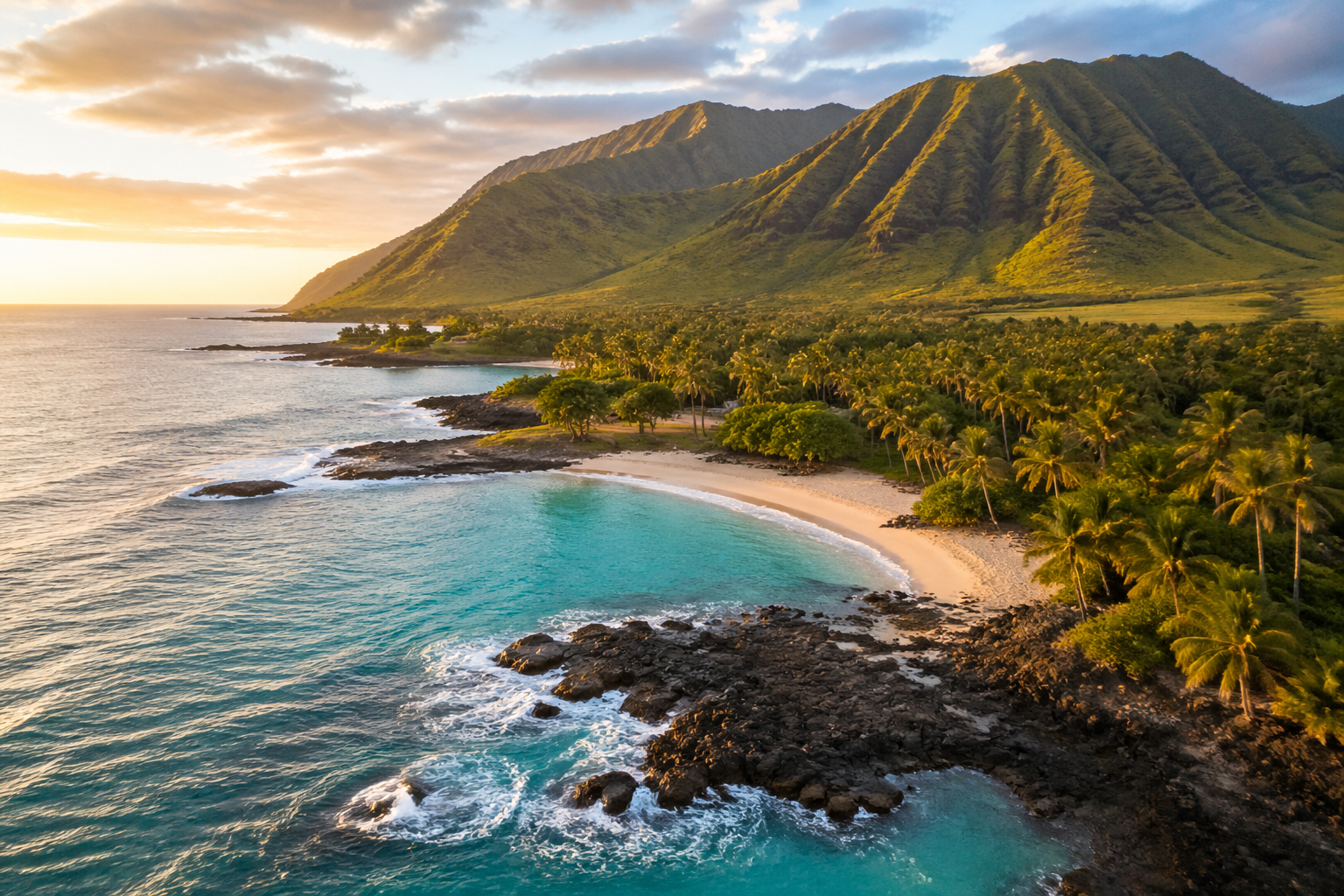
Hawaii in 2026: A Realistic Look at Travel After the Maui Recovery
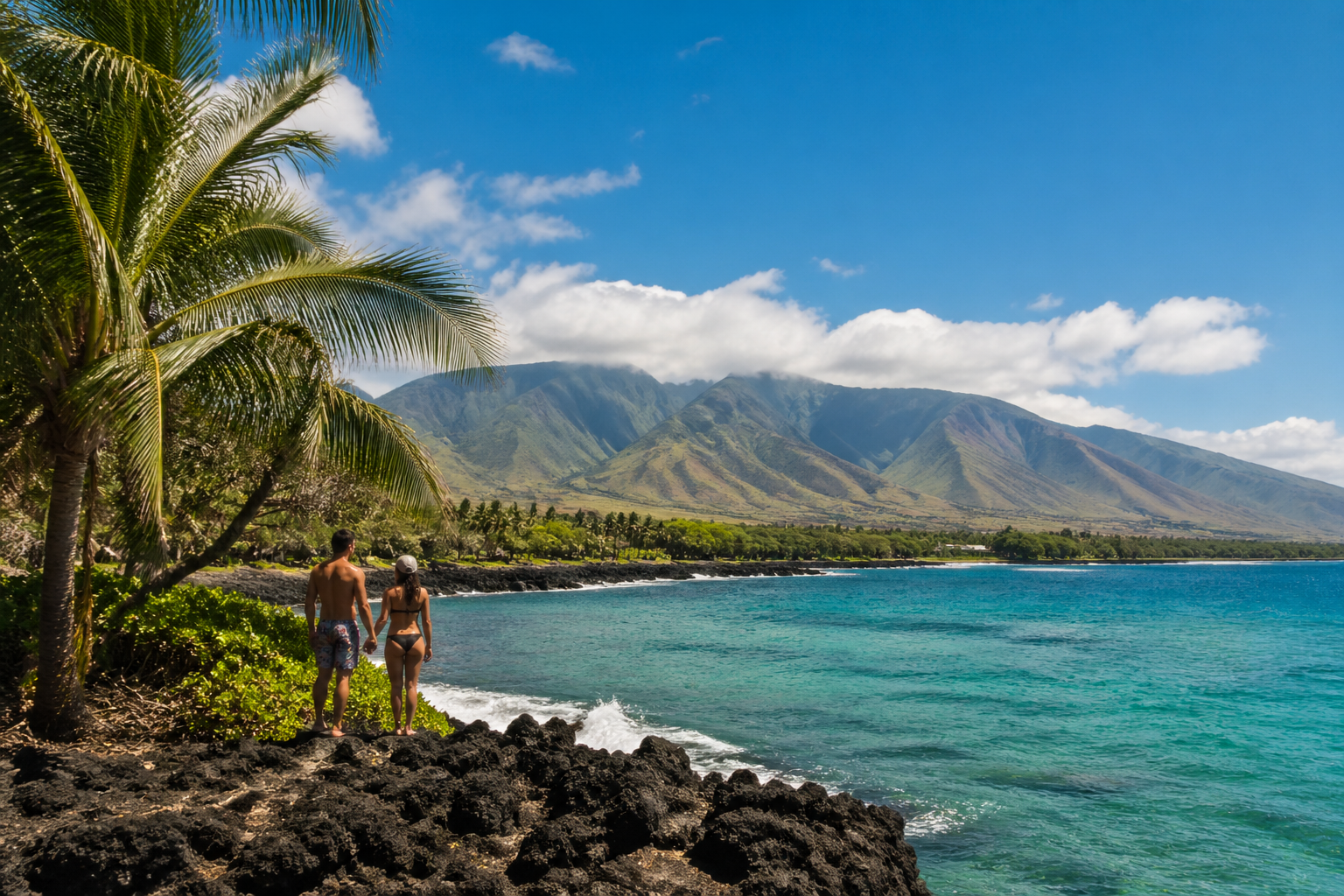
Hawaii in 2026 looks different than the postcard your aunt sent in 1998, and that is mostly a good thing. Six main islands sit in the chain, but only four matter for visitors: Oahu, Maui, the Big Island (officially Hawaii Island), and Kauai. Niihau is private. Lanai and Molokai are sleepy and small. The rest of the conversation in this guide focuses on the four islands you can actually fly into and book a rental on.
The biggest planning shift since 2023 is Maui. The August 2023 Lahaina fire destroyed roughly 2,200 structures and killed 102 people, and the rebuild is measured in years, not months. By spring 2026, most of West Maui has reopened to visitors. Kaanapali, Kapalua, and Napili are operating normally. Lahaina town itself, the historic core along Front Street, remains under active reconstruction with limited public access. We recommend treating West Maui as a place to visit with awareness rather than avoid. Local businesses in Kaanapali specifically asked travelers to come back; staying away hurt the same workers the fire displaced.
The state has also tightened the rules. Hawaii Tourism Authority now operates under a mindful travel framework that pushes visitors toward longer stays, smaller-group activities, and reservation systems for the busiest sites. Maui County has cracked down on non-resort short-term rentals, and a $50 climate impact fee per arriving visitor is moving through the legislature for late 2026 implementation. Whether or not it passes this session, expect the trend line to keep going up.
Prices reflect all of this. A mid-range family of four should plan on roughly $400 to $600 per day for accommodation, food, and a rental car before activities, and Maui runs higher than the other three islands. Hawaii is not cheap. It earns the premium in ways the brochures undersell, though: a black-sand beach that did not exist 200 years ago, a volcano you can watch glow at night, snorkel water clear enough to read a date on a quarter at 30 feet, and rain that is more like mist that smells like ginger.
Go with realistic numbers and Hawaii pays you back.
Choosing Your Island: Oahu, Maui, Big Island, or Kauai
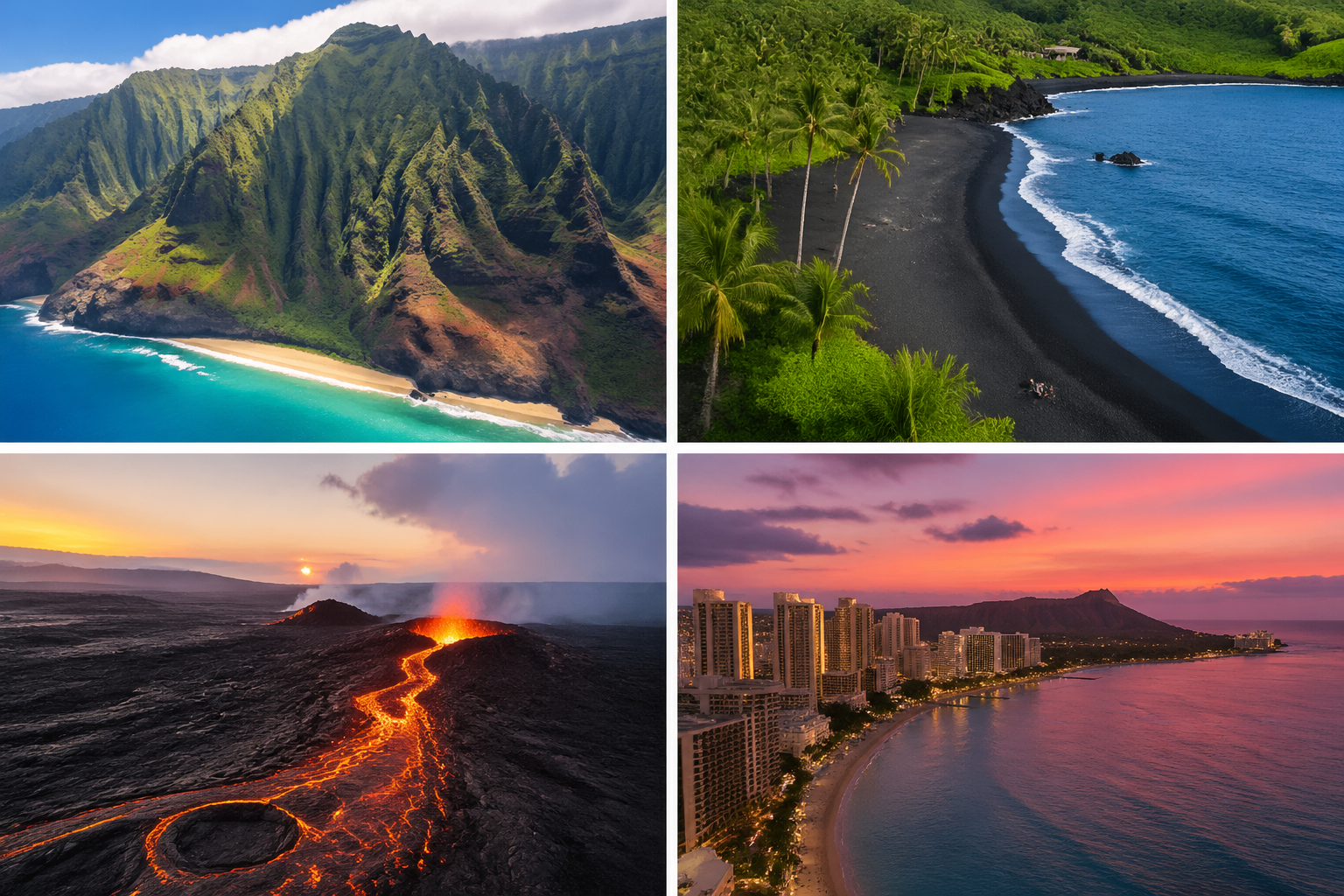
Picking the right island is the single most important choice you will make, and the answer depends on how you actually like to spend a vacation.
Oahu is the easiest landing for first-timers. Honolulu is a real city with a real airport, real traffic, and the kind of urban density that makes Waikiki feel like a beach neighborhood inside a small Pacific metropolis. You get Pearl Harbor, the North Shore surf scene a 90-minute drive away, Diamond Head, food from every corner of Asia and the Pacific, and a budget ceiling that is genuinely lower than the other islands because of the volume of competition. If your group includes one reluctant traveler who needs Starbucks and a CVS within walking distance, Oahu is your island.
Maui is the romance and adventure island. Beaches on the west and south sides rank with the best in the United States. The Road to Hana is a real day trip with about 600 curves, 50 one-lane bridges, and reservation requirements at several waterfalls. Haleakala sunrise from 10,023 feet above sea level is its own quiet religion. With Lahaina rebuilding, current activity has shifted south to Wailea and Kihei, and the Hana side of the island stays very rural. Maui costs more than its neighbors and we think it earns it.
The Big Island is the most diverse, weirdest, and most underrated of the four. You can stand on a snowfield on Mauna Kea in the morning and snorkel with manta rays at sunset 60 miles away. Kilauea is currently in an episodic eruption phase. Kona coffee farms run agritourism that beats most California wineries on charm. Distances are real here, though. Plan for a base on either the Kona side (sunny, dry, vog) or Hilo side (lush, rainy, cheap), not both.
Kauai is the oldest and the wildest. The Na Pali Coast, Waimea Canyon, and the Hanalei valley taro fields look like a movie because they have been in dozens of movies. Nightlife is essentially zero. If you want quiet hiking and a rocking-chair lanai over restaurants and shopping, this is your pick.
One logistical note: there is no inter-island ferry. Hawaiian Airlines and Southwest run the inter-island hops at $90 to $180 round-trip per person. For a 7-day first trip, we recommend picking one island and going deep, not three islands and a lot of airports.
Where to Stay: Vrbo Vacation Rentals by Island
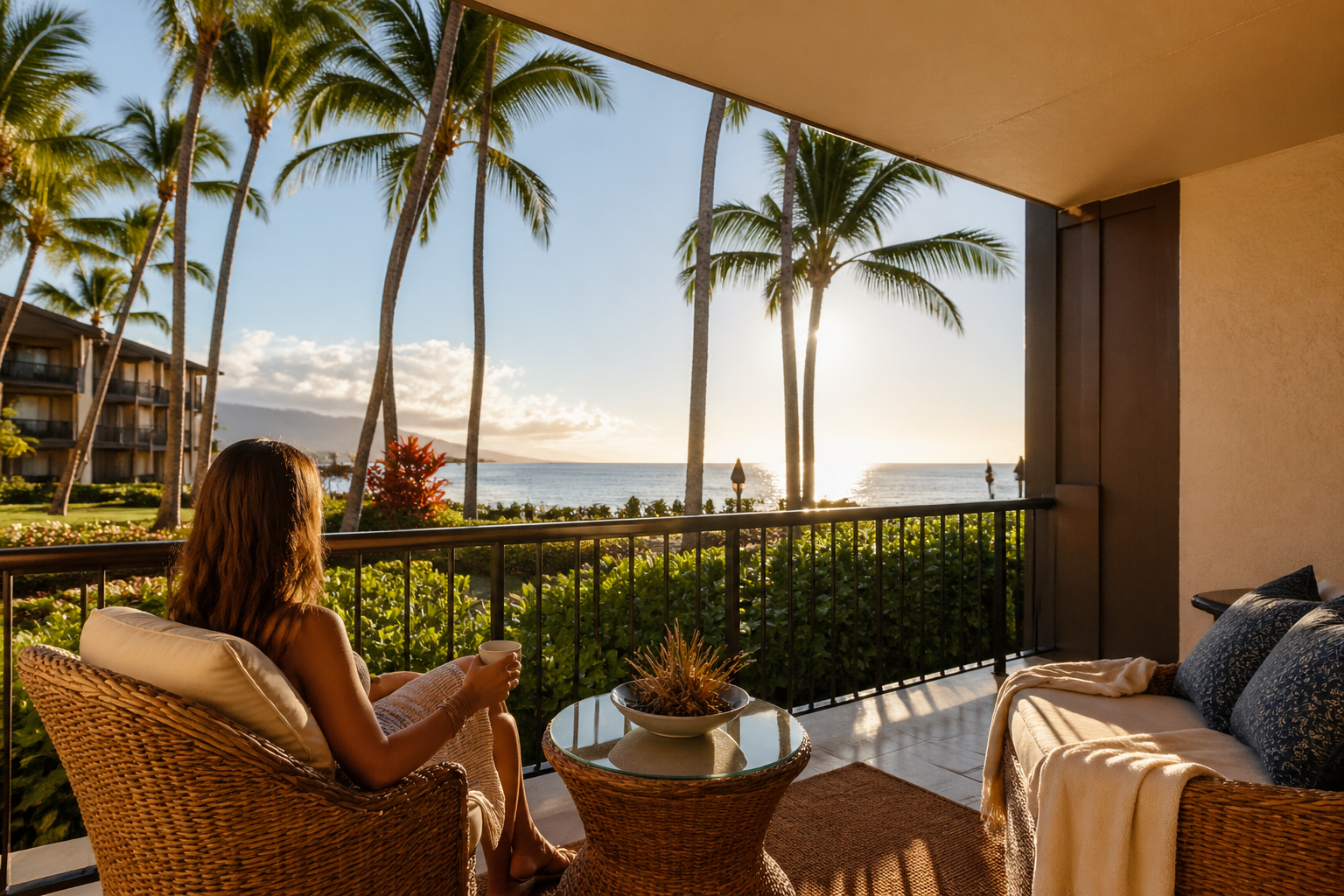
Vacation rentals in Hawaii are not the simple proposition they are in most of the country. Each county has its own short-term rental rules, and 2026 has tightened them further. Oahu's Bill 41 effectively bans rentals under 30 days outside of resort-zoned areas. Maui's Minatoya List, a roster of about 7,000 grandfathered units in apartment-zoned buildings, is the legal core of the island's vacation rental supply, and the county has signaled it wants that list to shrink. The Big Island and Kauai are looser but trending in the same direction.
What that means in practice: book through a platform that filters for compliant inventory. Vrbo's Hawaii search defaults to legal rentals, surfaces the registration number on the listing, and lets you sort by full-property versus shared. We use it as our first stop for Hawaii because the legal-only filter saves the headache of a midnight email from a county inspector.
Approximate 2026 nightly rates we are seeing for two-bedroom units in the high season:
Oahu North Shore condos run $200 to $400. Waikiki studios and one-bedrooms in Honolulu sit between $250 and $450. Maui Wailea and Kihei two-bedrooms book at $350 to $700, with Kaanapali back online at similar numbers. The Big Island Kona and Waikoloa run $250 to $550. Kauai Poipu and Hanalei book at $300 to $650.
If a vacation rental does not fit the trip, the resort tier is genuinely strong. Four Seasons Resort Hualalai on the Big Island remains the gold standard at roughly $2,200 per night. Grand Wailea on Maui, Halekulani on Oahu, and 1 Hotel Hanalei Bay on Kauai each anchor their islands at the luxury end. Resorts include the daily resort fee that vacation rentals do not, but they also include towels, daily housekeeping, and a phone you can call when the AC dies at 11 p.m.
For families staying five nights or longer, a Vrbo with a kitchen pays for itself by the third dinner. We recommend filtering for at-least-one-bedroom-per-pair plus a pool for kids, then paying the $35 cleaning fee gladly. Browse compliant Hawaii inventory on Vrbo before locking flights so you know your accommodation actually exists where you think it does.
Plan this trip
Top Things to Do on Each Island
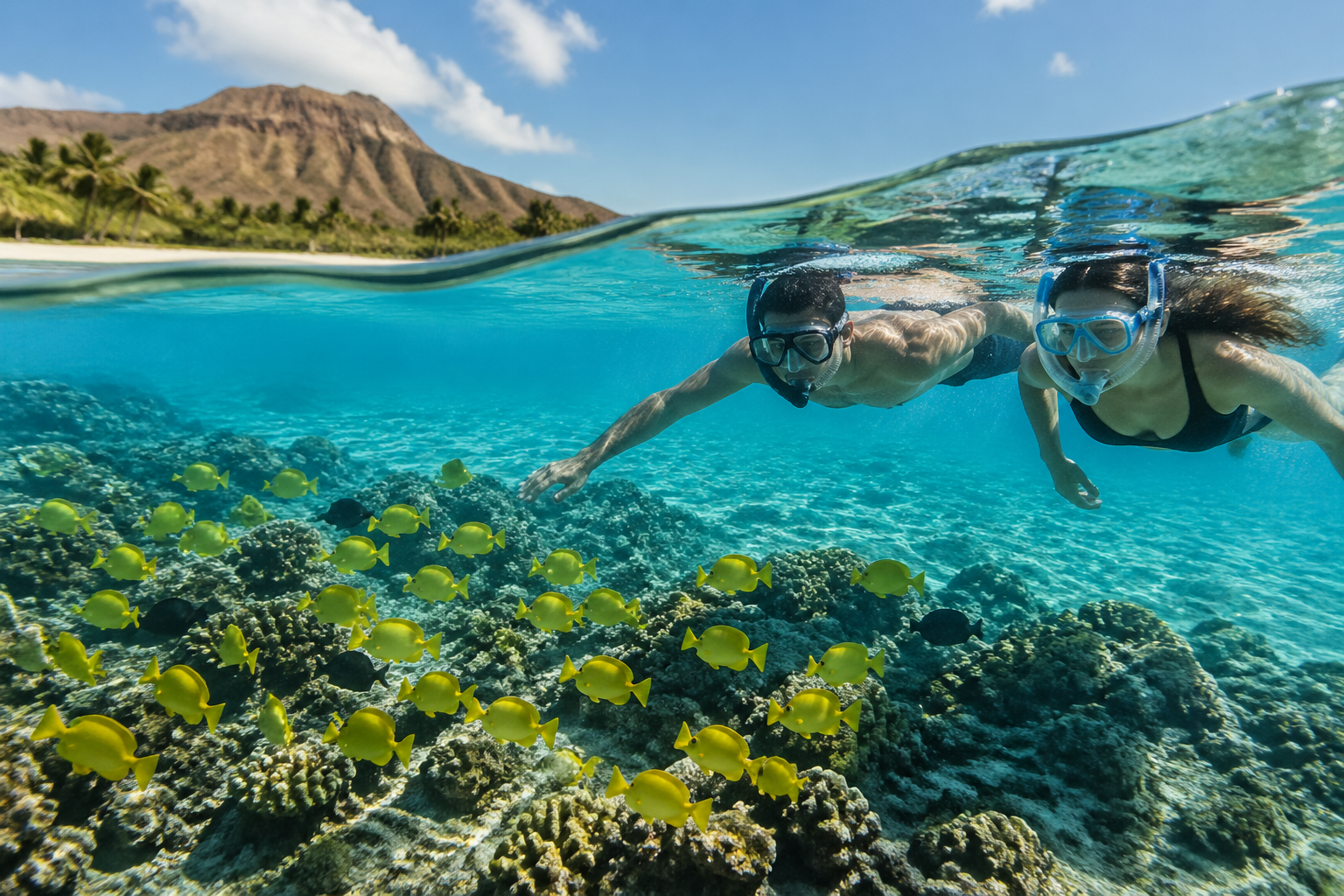
Each island has a short list of experiences that justify the airfare on their own. Skip these at your peril.
On Oahu, Pearl Harbor is the anchor. The USS Arizona Memorial is free but reservation-only on Recreation.gov and books out 60 days in advance for peak weeks. Diamond Head requires a $5 per-person reservation and another $10 per car. Kualoa Ranch runs the Jurassic Park filming-site tours that families remember for years; the ATV and movie-site combo runs about $185 per adult. Manoa Falls is a flat 1.6-mile hike for $7 parking. North Shore in winter is for surf-watching, not surfing, unless you can paddle into 30 feet of moving water.
On Maui, the Road to Hana now requires $10 per-person reservations for the most popular stops, including Waianapanapa State Park's black sand beach. Haleakala sunrise requires a $1 National Park Service reservation booked 60 days out, plus the $30 per-vehicle park fee, plus a 3 a.m. alarm; bring a winter coat because summit temperatures hit 35 degrees. Molokini Crater snorkel charters out of Maalaea Harbor run $150 to $180 per adult. Iao Valley reopened in 2024 and remains a $5 reservation.
On the Big Island, Hawaii Volcanoes National Park is $30 per vehicle good for seven days. Mauna Kea stargazing tours from approved operators run $250 to $300 and include parka rental and a hot drink at the visitor center. Captain Cook Bay snorkel and dolphin charters out of Keauhou run about $130. Pololu Valley overlook is free and arguably the best view in the state.
On Kauai, the Na Pali Coast is the centerpiece. Catamaran tours from Port Allen run $150 to $250 per adult depending on the boat. Helicopter tours with Jack Harter or Blue Hawaiian run $300 to $380 and are the only way to see the interior of the island. Waimea Canyon is free and stunning if you arrive before 10 a.m.
We book tours through Klook or GetYourGuide when the operator lists there because the cancellation policies tend to be more flexible than booking direct. Reserve the high-demand items, like Haleakala sunrise and Pearl Harbor, the moment you know your dates. Everything else can wait until you land, and sometimes weather will pick the day for you anyway.
Getting Around Hawaii: Rental Cars Are Essential (Mostly)

You need a rental car. The exception is a Waikiki-only Oahu trip where you plan to take The Bus or rideshare to Pearl Harbor and never leave the strip. For everything else on every other island, the math works out badly without a car. Kauai has no Uber surge pricing because Kauai has barely any Uber. The Big Island is the size of Connecticut. Maui's south-to-west corridor will eat your budget in rideshare fares by day three.
Post-fire supply on Maui is still tight in 2026. We are seeing daily rates of $130 to $200 for a midsize SUV in peak weeks, easing slowly from the 2023 to 2024 peak when prices crossed $300 per day. The Big Island runs $90 to $140, Kauai $110 to $160, and Oahu $80 to $130. Compact cars sometimes save 20 percent, but Hawaiian roads have specific moments where ground clearance helps, including the back side of the Road to Hana and the dirt access road to South Point on the Big Island.
Reserve before you fly. At-airport availability is regularly nil during peak weeks, and the price of grabbing a car at the counter, when you can, is roughly double the booked rate. Costco Travel and Discover Hawaii Rentals have been the most price-competitive aggregators we have used, and EconomyBookings is the broadest comparison engine for last-minute searches across Alamo, Budget, Hertz, and the boutique local agencies. Compare across the major aggregators before locking, and watch for the $15 to $25 per day Hawaii surcharges that some platforms bury below the headline price.
A few Hawaii-specific gotchas. Drop charges for one-way rentals between islands do not apply because you cannot drive between islands, but drop charges across same-island airports (Hilo to Kona on the Big Island, for example) are real and can hit $200. Drivers under 25 pay $25 to $35 per day in additional fees on most agencies. Premium gas is genuinely required on some smaller economy cars and runs a dollar more per gallon than the mainland; budget about $5.50 to $6.00 per gallon for regular in 2026.
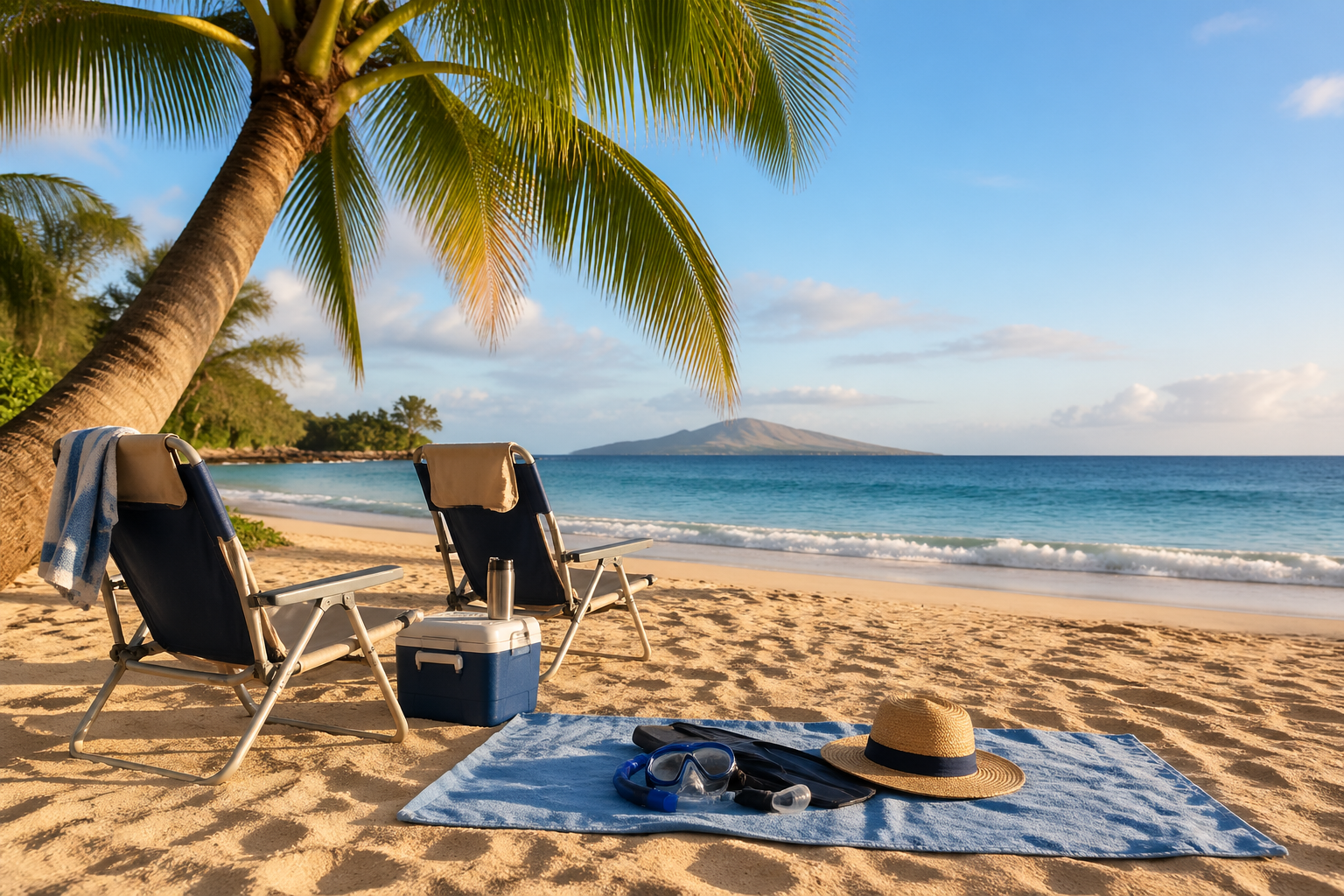
For beach gear, ask whether your rental car package includes the snorkel, cooler, and beach chair add-on. The standalone rental shops near Lahaina, Kihei, Kona, and Poipu run $35 to $50 per week for the full kit, which beats the airline checked-bag fees on a folding beach chair every time.
Plan this trip
Hawaii Food: Plate Lunch, Poke, Acai Bowls, Local Favourites
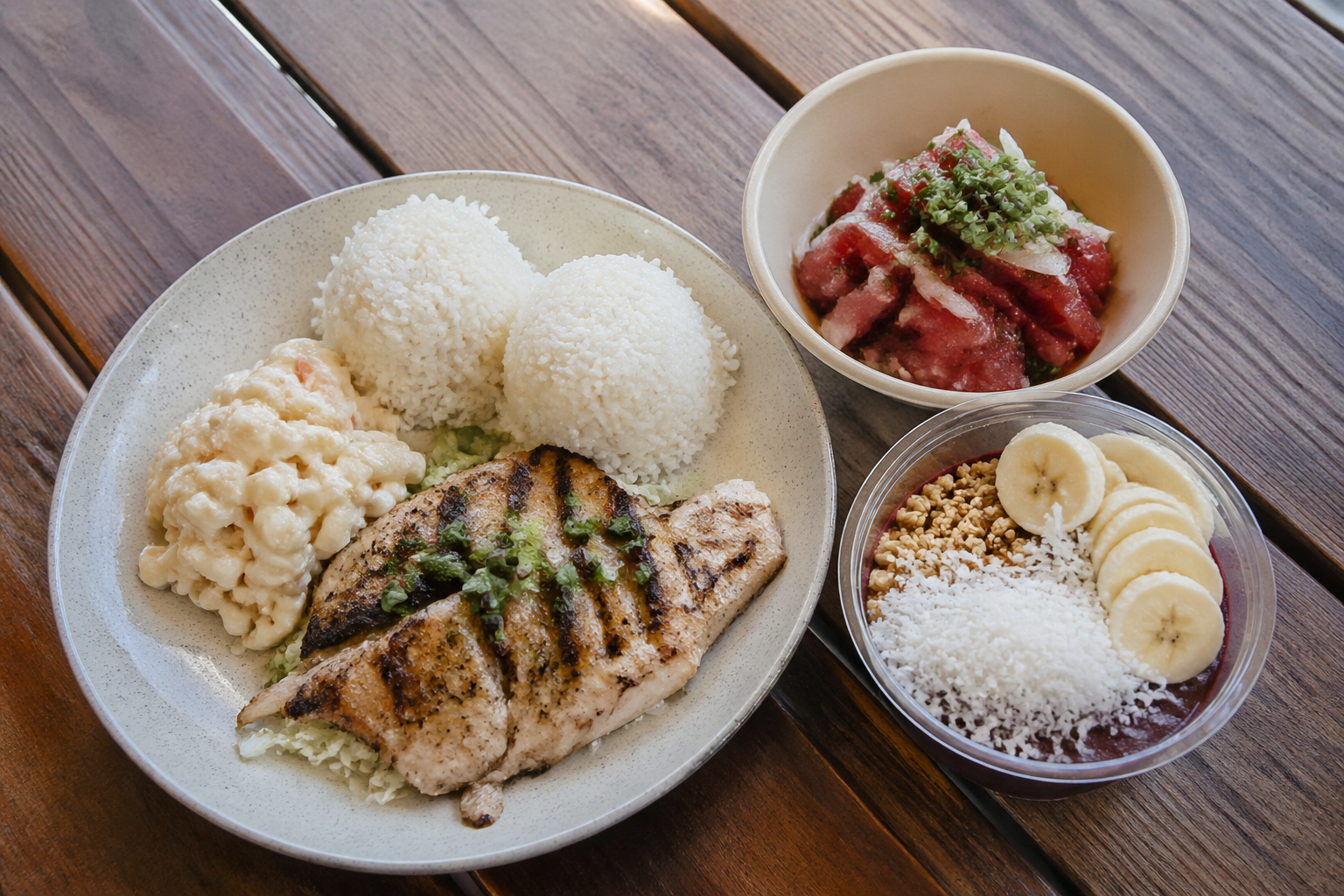
Food is half the reason to come, and most of the best food in Hawaii is not at your resort.
The plate lunch is the operating system of local dining. Two scoops of white rice, one scoop of macaroni salad, and a generous portion of protein, eaten with a plastic fork on a styrofoam plate. Helena's Hawaiian Food on North School Street in Honolulu has been serving kalua pig and pipikaula since 1946 and remains cash-only and worth the line. Da Kitchen on Maui runs the upscale version with fresh fish at lunch. L&L Hawaiian Barbecue is the statewide chain that gets it right enough on a road-trip day for around $14 a plate.
Poke is everywhere and the quality varies wildly. The grocery-store poke counter at Foodland is, somewhat famously, better than 80 percent of the dedicated poke shops. Off the Hook in Manoa on Oahu is the destination version. Eskimo Candy in Kihei does the Maui equivalent with smoked fish dip that travels well to a beach picnic.
Shave ice is not a snow cone. The ice is shaved into a powder, the syrups are house-made from real fruit, and the proper version includes ice cream at the bottom and sweetened condensed milk drizzled over the top. Matsumoto's on Oahu's North Shore is the original. Ululani's on Maui has six locations and a defensible argument for being the best version of the form. Wishing Well in Hanalei is Kauai's quiet contender.
Loco moco, a hamburger patty over rice with brown gravy and a fried egg, is the Hawaiian breakfast we miss most on the mainland. Cafe 100 in Hilo claims invention rights and we will not argue.
Kona coffee deserves a farm visit on the Big Island. Kona Joe Coffee runs a $30 trellis tour that is as much horticulture lesson as caffeine fix. Greenwell Farms is free and serious about their cuppings.
For cocktails, the original mai tai recipe lives at Trader Vic's affiliated bars. The truly authentic 1944 Victor Bergeron version pours nightly at Halekulani's House Without a Key in Waikiki, with a hula dancer at sunset for free.
Luaus are uneven. Old Lahaina Luau on Maui was widely considered the best in the state and remains permanently closed after the fire. Aulii Luau on Oahu's east side and Te Au Moana at Wailea Beach Marriott are the two we currently recommend at roughly $200 per adult. Resort luaus at hotels you are not staying at usually disappoint.
Best Time to Visit Hawaii: Weather, Whales & Surf
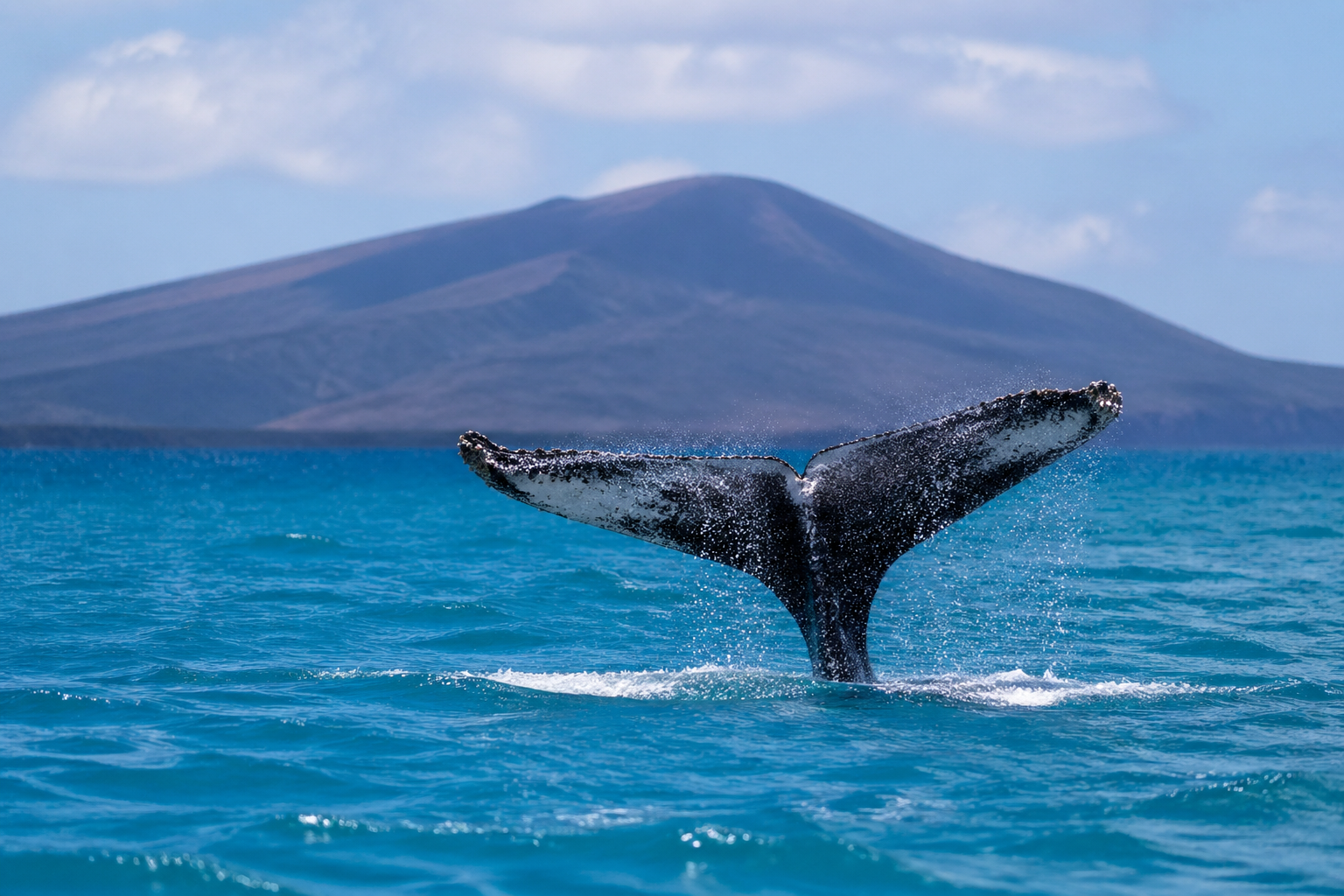
Hawaii is a year-round destination, but the year is not flat. Coastal temperatures stay between 70 and 85 degrees Fahrenheit virtually every day of the year. Rainfall, surf, whale activity, vog, and crowds are the variables that actually shape your week.
Mid-December through March is peak season for two reasons. Humpback whales migrate from Alaska to calve in Hawaiian waters from January through March, with peak sightings in February. North Shore Oahu surf during the same months produces the 30-to-50-foot waves that draw the Triple Crown competitions and the world's best big-wave surfers. The Kona side of the Big Island stays unusually dry during this window because the trade winds blow rain over the Hilo side instead. Prices spike accordingly. Mid-December through New Year's is the single most expensive week of the Hawaiian calendar.
April, May, September, and October are the shoulder seasons, and they are our recommendation for first-time visitors who can travel outside school breaks. Weather is excellent, rainfall is at its annual low, prices drop 20 to 35 percent from peak, and the high-demand restaurants and tours actually have availability. The trade-off is no whales and smaller surf.
Summer, June through August, is family-travel peak. Prices match Christmas, North Shore surf flattens out, and humidity climbs. The water on every island is at its warmest, around 80 degrees, which is the case for snorkeling with kids. School-calendar families may not have a choice; if that is you, book the Vrbo six months out and the rental car nine months out.
Hurricane season runs August through October. Hawaii is sheltered by the geography and direct hits are rare; the last significant strike was Iniki on Kauai in 1992. Tropical storm-force impacts happen every few years and tend to mean two days of rain rather than evacuation.
Vog, the volcanic smog from Kilauea, is the one wildcard worth flagging for the Big Island Kona side. When trade winds drop, the air can get genuinely hazy, and travelers with asthma should pack their inhalers. A Kona-winds reversal between November and March occasionally brings rain to the leeward, normally-dry sides of every island for a few days at a stretch. Pack one rain jacket per person regardless of season; Hawaii rewards optimism but not naivety.
Plan this trip
Hawaii Family Vacation Budget: Honest 2026 Numbers
Here is what a real family of four trip costs in 2026, with receipts.
A seven-night Maui Wailea trip looks like this. A two-bedroom Vrbo condo at the mid-range tier runs $3,500 to $5,200 for the week, including the cleaning fee and Hawaii's combined GET and TAT taxes that add about 17 percent. A midsize SUV rental for seven days lands at roughly $1,000. Groceries for cooking five breakfasts and three dinners come in around $550 at Foodland or Times Supermarket; bring a Costco membership and the Kahului warehouse beats both for milk, fruit, and meat. Restaurants for the meals you do not cook average $800 over the week for a family of four ordering carefully. A Road to Hana day eats $75 in fuel and lunches. A Haleakala sunrise tour or self-drive runs $340 family rate including the $1 NPS reservation, $30 vehicle fee, and a guided van if you do not want to drive at 3 a.m. A Molokini snorkel charter is $600 for a family of four. Inter-island and mainland flights from Detroit, Chicago, or Atlanta run $2,400 to $3,200 for four with one connection.
Grand total excluding mainland flights: roughly $6,800 to $8,500 for the seven nights. Add the mainland flights and a Maui family trip in 2026 lands between $9,200 and $11,700.
The Big Island runs about $1,000 cheaper across rental car, condo, and park fees for an equivalent week. Volcanoes National Park is $30 per vehicle versus $30 per family for many Maui activities. Oahu Waikiki is the budget winner because of the volume of accommodation, the public bus, and the dense restaurant scene; a comparable week in Waikiki saves $1,500 to $2,000 mostly on food and accommodation. Kauai sits between the Big Island and Maui on price, with the smallest selection of paid activities, which means your activity budget runs lower by default.
Our planning rule of thumb: budget $1,300 to $1,700 per person per week excluding mainland flights for a mid-range Maui or Kauai trip, and $1,000 to $1,400 for the Big Island or Oahu equivalent. Splurge weeks at the Four Seasons Hualalai or Grand Wailea double those numbers.
When you find the dates, lock the Vrbo first because compliant inventory is the scarcest piece of the puzzle, then the rental car, then the inter-island flight if you are doing two islands, then the high-demand reservations like Haleakala sunrise and Pearl Harbor. The trip that looks impossibly expensive on paper gets manageable once you start filling the boxes one at a time.
Frequently Asked Questions
We recommend Oahu for most first-timers because it offers the widest range of experiences in the smallest footprint, including Pearl Harbor, Waikiki, the North Shore, and dense restaurant variety. Maui is the best choice if your priority is beaches and a romantic or adventure trip and you can absorb the higher prices. Save the Big Island and Kauai for return visits when you already know what you like about Hawaii.
Yes. Most of West Maui has reopened, including Kaanapali, Kapalua, and Napili. Lahaina town center remains under multi-year reconstruction with limited public access. South Maui, including Wailea and Kihei, and the Hana side were never closed. Local businesses have specifically asked travelers to come back because the same workers displaced by the fire depend on visitor spending.
Plan on $6,800 to $8,500 for a mid-range seven-night Maui trip excluding mainland flights, covering a two-bedroom Vrbo condo, midsize SUV rental, groceries, restaurants, and three to four major activities. The Big Island runs about $1,000 less for an equivalent week, and Oahu Waikiki saves another $1,500 to $2,000 thanks to lower accommodation and food costs.
Yes for every island except a Waikiki-only Oahu trip. Reserve before you fly because at-airport availability is often nil during peak weeks. Expect $130 to $200 per day for a midsize SUV on Maui, $90 to $140 on the Big Island, $110 to $160 on Kauai, and $80 to $130 on Oahu. Costco Travel and Discover Hawaii Rentals are the most competitive aggregators we have used.
Most are legal when booked through compliant inventory, but each county has its own rules. Oahu's Bill 41 restricts rentals under 30 days to resort-zoned areas. Maui's Minatoya List protects roughly 7,000 grandfathered units. We recommend booking through Vrbo's Hawaii search because it filters for legal rentals and surfaces the county registration number on each listing.
The shoulder seasons of April to May and September to October offer the best balance of price, weather, and availability. You can save 20 to 35 percent versus the mid-December through March peak, with low rainfall and the same warm coastal temperatures. The trade-off is no whale watching and smaller North Shore surf during these months.
Oahu Waikiki is generally the most affordable thanks to the volume of accommodation competition, the public bus system, and the dense restaurant scene at every price point. The Big Island ranks second because of cheaper condos in Kona and Waikoloa and lower activity prices. Maui is the most expensive of the four islands by a noticeable margin in 2026.