
Why 2026 Is the Year to Plan Your Hiking Vacation
There has never been a more compelling moment to lace up your boots and commit to a serious trekking vacation. Trail permit systems worldwide have grown increasingly sophisticated, meaning the hikers who plan six to twelve months ahead consistently secure spots that spontaneous travelers miss entirely. Whether you are eyeing a classic multiday wilderness route or a cultural pilgrimage through ancient ruins, the global hiking trails guide below covers every logistical detail you need—from permit windows and daily costs to the best shoulder-season windows that balance good weather with manageable crowd levels.
The trails featured here span five continents and range from the moderate day-to-day rhythm of New Zealand's Fiordland to the relentless elevation of the Peruvian Andes. Each has been selected because it offers something genuinely irreplaceable: a landscape, cultural context, or physical challenge you cannot replicate anywhere else on Earth. Use this guide as your master planning document, whether you are booking a guided expedition through a luxury operator or piecing together a self-supported thru-hike on a shoestring.
For travelers who prefer to pair a trekking vacation with premium airport transfers or private ground transportation between trailheads and city bases, coordinating those logistics early is just as critical as locking in your hiking permits. Poor transfer planning has derailed more than a few hard-won trek bookings.
1. Inca Trail, Peru — The World's Most Iconic Trekking Route
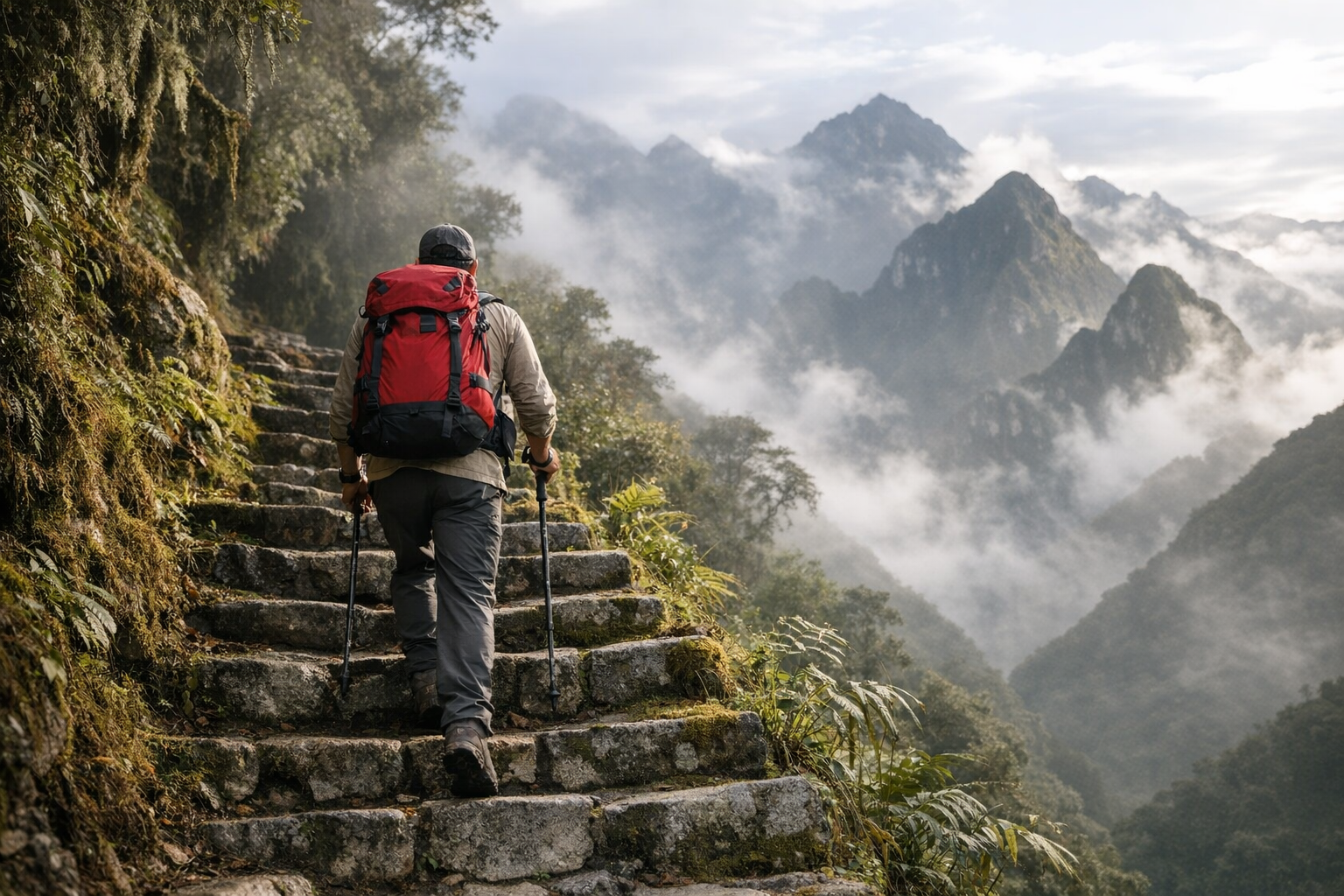
The classic four-day Inca Trail remains the most sought-after hiking permit on the planet, and for good reason. Covering 43 kilometers (26 miles) from the KM 82 trailhead at Piscacuacho to the Sun Gate above Machu Picchu, this route threads through cloud forest, alpine tundra, and a succession of Inca ruins that no road-accessible tour can replicate. The maximum elevation—Dead Woman's Pass (Warmiwañusca) at 4,215 meters (13,828 feet)—hits hard on Day 2, making the two to three days of acclimatization in Cusco before you start an absolute non-negotiable, not a suggestion.
Peru's Ministry of Culture caps the trail at 500 total people per day—200 trekkers and 300 guides, porters, and support staff combined. All-inclusive guided packages from reputable operators like Alpaca Expeditions or G Adventures run approximately $850–$1,100 USD per person, covering the permit (~$150–$200 standalone), licensed guide, camping equipment, and meals. Permits sell out six to twelve months ahead during peak season (May through October), which in practical terms means you should be booking in January for a June or July departure.
The trail's lesser-known highlight is the Wiñay Wayna terraced ruin complex on Day 3—architecturally as impressive as Machu Picchu itself but visited by a fraction of the tourists. Arriving at Inti Punku (the Sun Gate) between 5:30 and 6:00 AM on the final morning, with Machu Picchu emerging from the mist below, is the kind of moment that justifies every blister. Ethical operator selection matters here: since 2021 reforms, porter minimum wages stand at 130 soles per day (~$35), but the best operators pay 160–200 soles. Ask your operator directly before booking.
2. Tour du Mont Blanc, France/Italy/Switzerland — Europe's Greatest Long-Distance Circuit
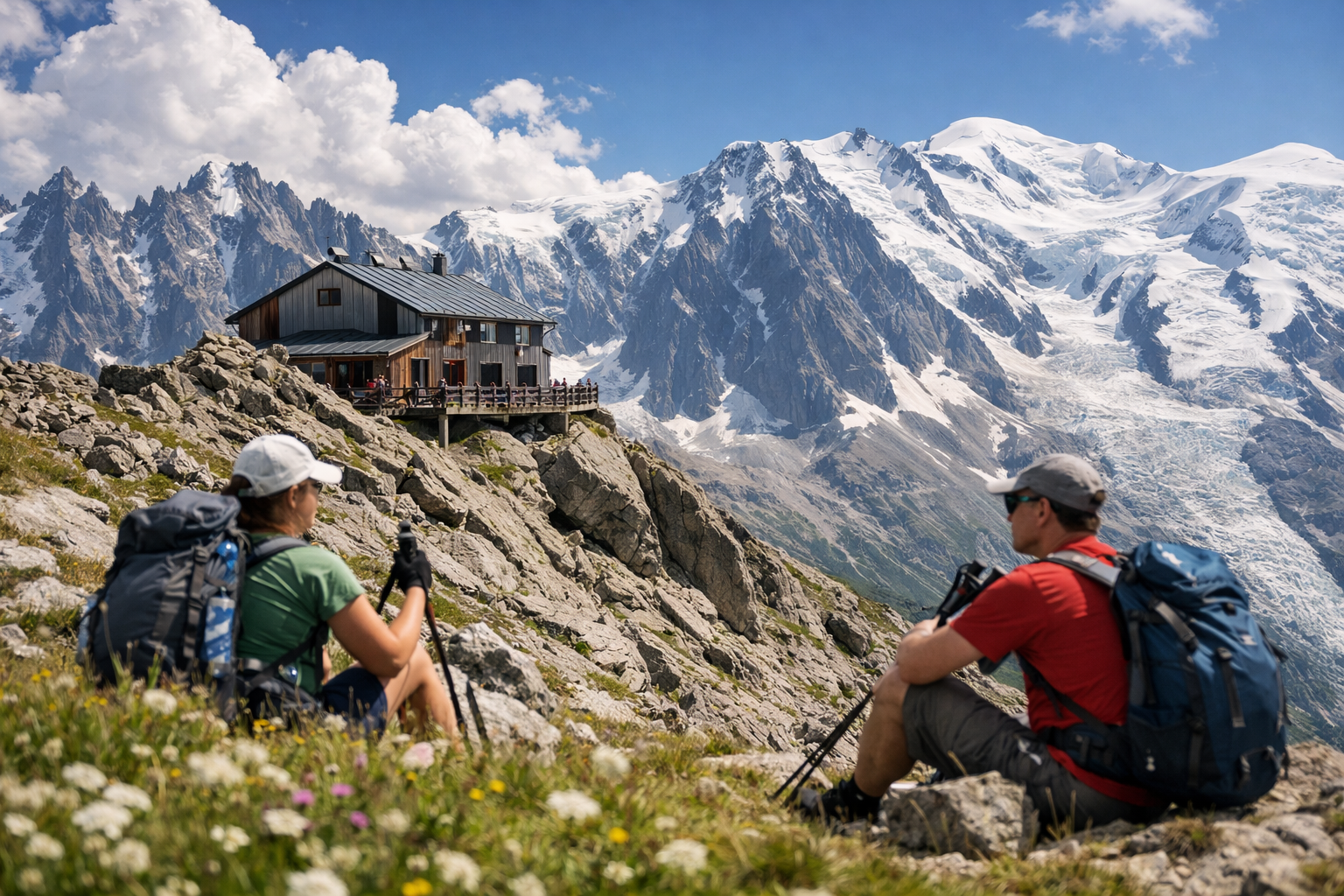
No permit, no lottery, no bureaucratic stress—the Tour du Mont Blanc (TMB) is the most liberating long-distance trail in Europe. Looping 170 kilometers (106 miles) around the Mont Blanc massif through three countries, the circuit accumulates roughly 10,000 meters (32,800 feet) of total elevation gain across ten to twelve days, making it genuinely strenuous despite never requiring technical climbing skills. The standard start and finish is Chamonix, France, though most organized tours begin at Les Houches to shave 8 kilometers off the opening day.
While there is no trail fee, accommodation costs are real. Refuge dorm beds run €25–€45 per night; half-board (dinner, bed, and breakfast) at the famous Rifugio Walter Bonatti in the Italian section costs €85–€95 per night and is worth every cent—the food alone justifies the detour. Self-guided walkers using luggage transfer services (bags moved between huts by companies such as Transhumance in France for €25–€45 per bag per stage) can expect a total trip cost of €1,500–€2,500. Budget-conscious hikers staying in dorms and cooking some meals can manage €80–€130 per day.
One critical 2025–2026 update that many hikers overlook: Switzerland is not part of the Schengen Area, and from January 2025, a Swiss Electronic Travel Authorization (eTA) is required for previously visa-exempt nationalities including British, American, and Canadian passport holders. The eTA costs €65 and must be applied for online before crossing into the Swiss section around the Grand Col Ferret at 2,537 meters. Refuges book out three to six months ahead for July and August—use the Refuge.nu platform or the MontBlanc Natural Resort portal and don't delay.
For the most atmospheric experience on all hiking trails around the world, aim for mid-June (some residual snow on high passes but dramatically fewer crowds) or the first two weeks of September when the light turns golden and the refuges thin out. Trekking poles are essential given the cumulative descent load on your knees.
Plan this trip
3. Appalachian Trail, USA — The Ultimate Long-Distance Hiking Challenge
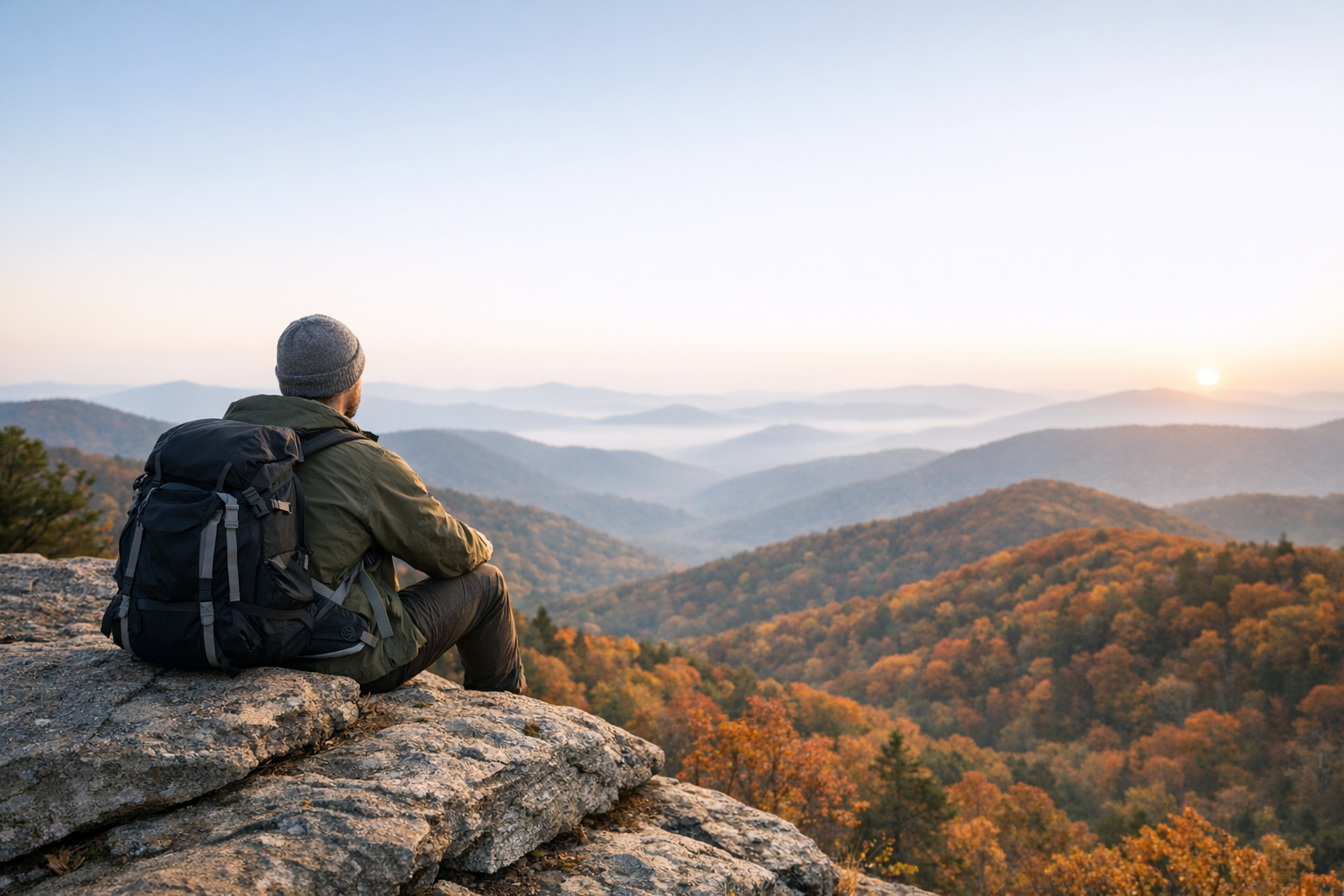
At 3,524 kilometers (2,190 miles) from Springer Mountain in Georgia to Katahdin in Maine, the Appalachian Trail is the backbone of American hiking culture and one of the most demanding multimonth undertakings in the world. A full northbound thru-hike—started between March 1 and April 15 at Springer Mountain—takes five to seven months and costs between $5,000 and $10,000 USD in total, averaging $30–$70 per day on trail when you factor in town resupply stops, shelter fees, and the occasional hostel night to decompress.
But the AT's genius is its accessibility for section hikers. The trail passes through 14 states and dozens of memorable communities, and you can experience world-class segments without committing to a half-year sabbatical. McAfee Knob in Virginia—the most photographed spot on the entire trail—is achievable as an 8.8-mile round trip from the Catawba trailhead. Max Patch in North Carolina offers 360-degree panoramic views from a bald summit on a 2.4-mile round trip. The White Mountains of New Hampshire, widely considered the most technically demanding section, reward hikers with access to the Presidential Traverse and the hut-to-hut system run by the Appalachian Mountain Club (AMC), where full-board accommodation runs $165–$210 per night—reservations open every December for the following summer.
Permit requirements are minimal compared to international trails. Great Smoky Mountains National Park requires a free permit (book via Recreation.gov for a $4 fee) and has expanded thru-hiker daily quotas to 60 northbound permits for spring 2026. Baxter State Park in Maine charges $15 per vehicle for day use and $32–$44 for campsites. Navigation is straightforward with the FarOut app (formerly Guthook), which costs $35.99 per year or $9.99 per section and is indispensable for water source and shelter data.
For international visitors planning a section hike, coordinating rental car logistics between trailheads—many AT access points are remote—is a genuine planning challenge. Booking a reliable vehicle well in advance is as important as sorting your gear list.
4. Milford Track, New Zealand — The Finest Walk in the World
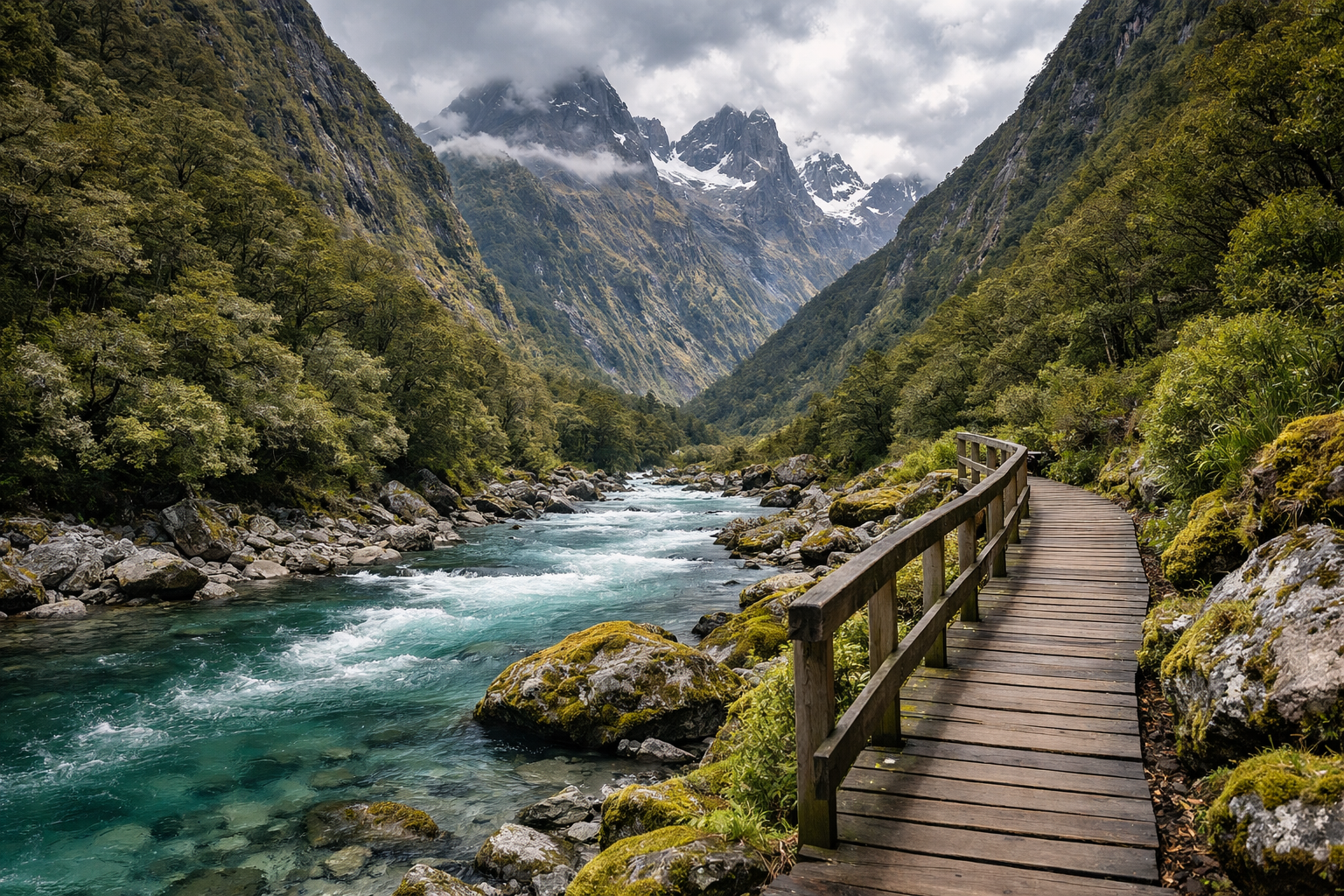
New Zealand's Department of Conservation bestowed the Milford Track its famous epithet in 1908, and the 53.5-kilometer (33.2-mile) route through Fiordland National Park has been earning it ever since. The one-way four-day walk from Glenorchy to Sandfly Point passes through one of the wettest and most biodiverse temperate rainforest ecosystems on Earth, cresting at Mackinnon Pass (1,154 meters / 3,786 feet) before descending past Sutherland Falls—at 580 meters, one of New Zealand's tallest waterfalls—to Milford Sound.
Fiordland receives more than 6,000 millimeters of rainfall annually, and Mackinnon Pass records rain on an average of 182 days per year. Pack waterproofs regardless of the forecast; this is non-negotiable advice for all hiking trails around this region. The upside of that rainfall is the extraordinary intensity of the green—nothing in the hiking world quite matches the color saturation of the Clinton Valley on a morning after overnight rain.
Independent walkers pay NZ$97 per person per night for hut fees during peak season (October 26 – April 30, 2026)—roughly $57 USD per night, or approximately $175 USD total for three nights of hut accommodation. The booking window opens June 1 annually for the following season, and the 90-person daily walker limit means the most popular dates in January and February disappear within hours of opening. Aim for November, December, or March for the best combination of settled weather and manageable booking competition.
The only guided operator licensed to run commercial walks on the Milford Track is Ultimate Hikes, whose five-day guided experience (including Queenstown transfers and lodge accommodation) costs NZ$3,245–$3,895 per person. It is a significant investment, but the private lodges and guided interpretation of Fiordland's geology and ecology make it genuinely distinct from the hut experience. Book your accommodation in Queenstown or Te Anau for pre- and post-walk nights through a reputable platform to avoid the premium pricing of last-minute town options.
Plan this trip
5–8. Four More Essential Trails for Your Global Hiking Bucket List
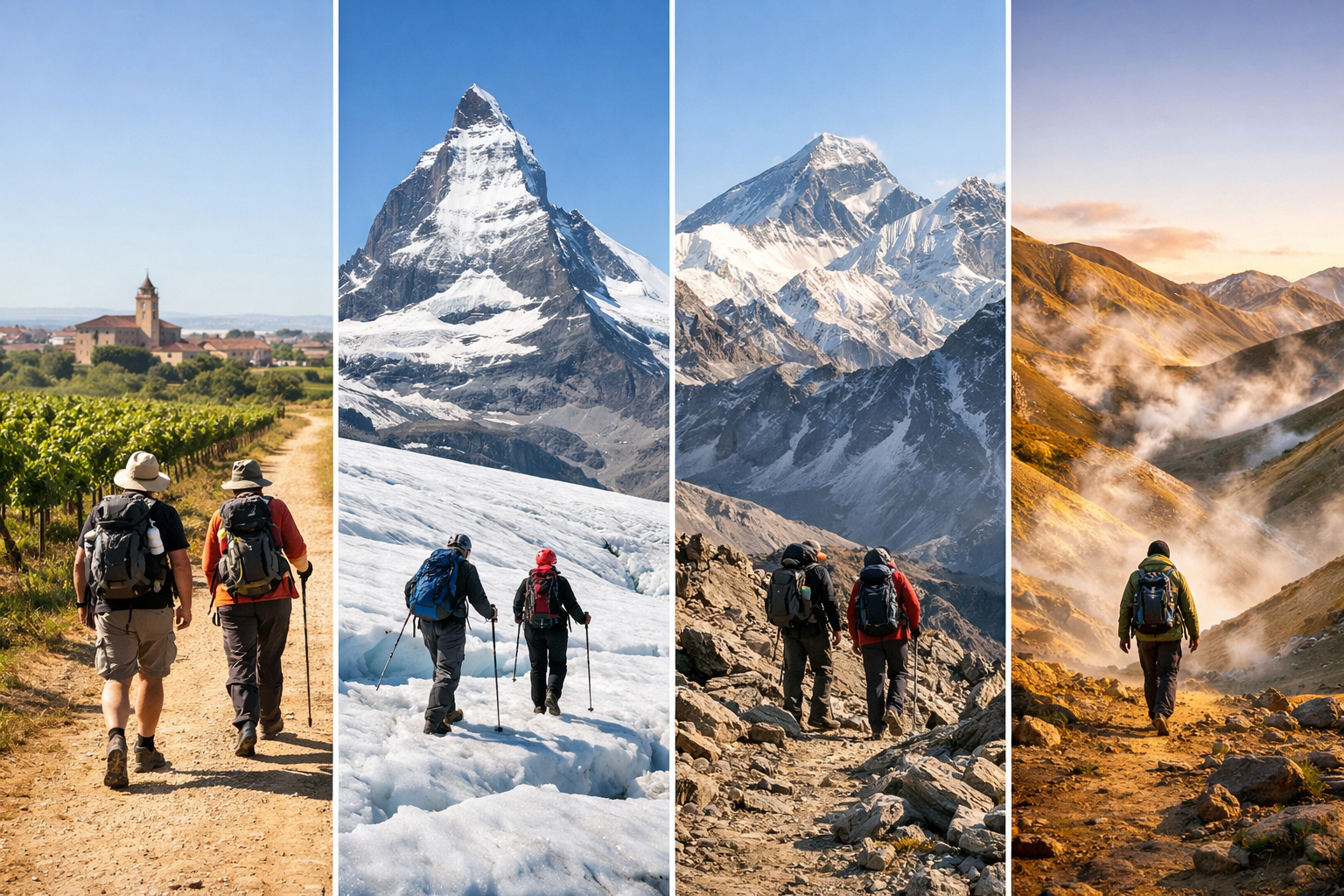
5. Camino de Santiago, Spain (Camino Francés Route) The 780-kilometer (485-mile) French Way from Saint-Jean-Pied-de-Port to Santiago de Compostela is the world's most walked long-distance pilgrimage route, with more than 440,000 pilgrims completing the full route in 2024. The trail requires no permit and can theoretically be walked year-round, though the optimal window is April through June and September through October to avoid the peak August crowds and summer heat across the Meseta plateau. Albergue (pilgrim hostel) beds cost €10–€18 per night; private rooms in paradores (government-run historic hotels) along the route run €80–€200. A Credencial del Peregrino (pilgrim passport) is required for albergue access and for receiving the Compostela certificate in Santiago—obtain one from the Pilgrim Office in Saint-Jean-Pied-de-Port or from Camino associations in your home country before departure.
6. Haute Route, France to Switzerland (Chamonix to Zermatt) The 180-kilometer (112-mile) high-level route from Chamonix to Zermatt traverses some of the most technically demanding terrain in the Alps, passing beneath 11 peaks above 4,000 meters including the Matterhorn, which dominates the approach to Zermatt on the final days. The route takes 12–15 days and covers around 11,000 meters of total elevation gain. No trail permit is required, but Swiss mountain hut reservations—essential for July and August—must be made individually through the SAC (Swiss Alpine Club) hut system. Half-board hut costs run CHF 65–€90 (approximately $70–$100 USD) per night. The Haute Route is categorized as a challenging alpine itinerary, not a casual trek—route-finding in poor visibility above snowfields requires map and compass competence or a licensed mountain guide.
7. Everest Base Camp Trek, Nepal The 130-kilometer (81-mile) round trip from Lukla airstrip to Everest Base Camp at 5,364 meters (17,598 feet) is the world's most recognizable high-altitude trek, and the most misunderstood in terms of difficulty. The altitude is the dominant challenge, not the terrain—most days involve well-maintained trails between tea houses. The required Sagarmatha National Park permit costs NPR 3,000 (~$22 USD), and the Khumbu Pasang Lhamu Rural Municipality conservation fee is NPR 2,000 (~$15 USD). A TIMS (Trekkers' Information Management System) card, previously mandatory, was suspended for independent trekkers in 2023; confirm current requirements with the Nepal Tourism Board before travel. Tea house accommodation runs $5–$20 per night at lower elevations but can reach $40–$60 near Gorak Shep. Acclimatization rest days in Namche Bazaar (3,440 m) and Dingboche (4,410 m) are physiologically essential—plan for a minimum of 12–14 days to Base Camp and back.
8. Laugavegur Trail, Iceland At just 55 kilometers (34 miles), Iceland's Laugavegur Trail between Landmannalaugar and Þórsmörk is the most visually surreal hiking experience in Europe—four days through obsidian lava fields, rhyolite mountains painted yellow, green, and burgundy, active geothermal areas, and glacial river crossings that require removing your boots. The Ferðafélag Íslands (Icelandic Touring Association) operates the hut system along the route; hut fees cost ISK 12,000–15,000 (~$85–$110 USD) per night and must be booked online well in advance—the trail is capped at 75 people per hut per night. The season runs late June through mid-September, with July and August the most reliable weather window. Some river crossings can be knee-deep and swift after rain; trekking poles and waterproof gaiters are mandatory kit.
How to Plan and Book Your Hiking Vacation: A Practical Framework
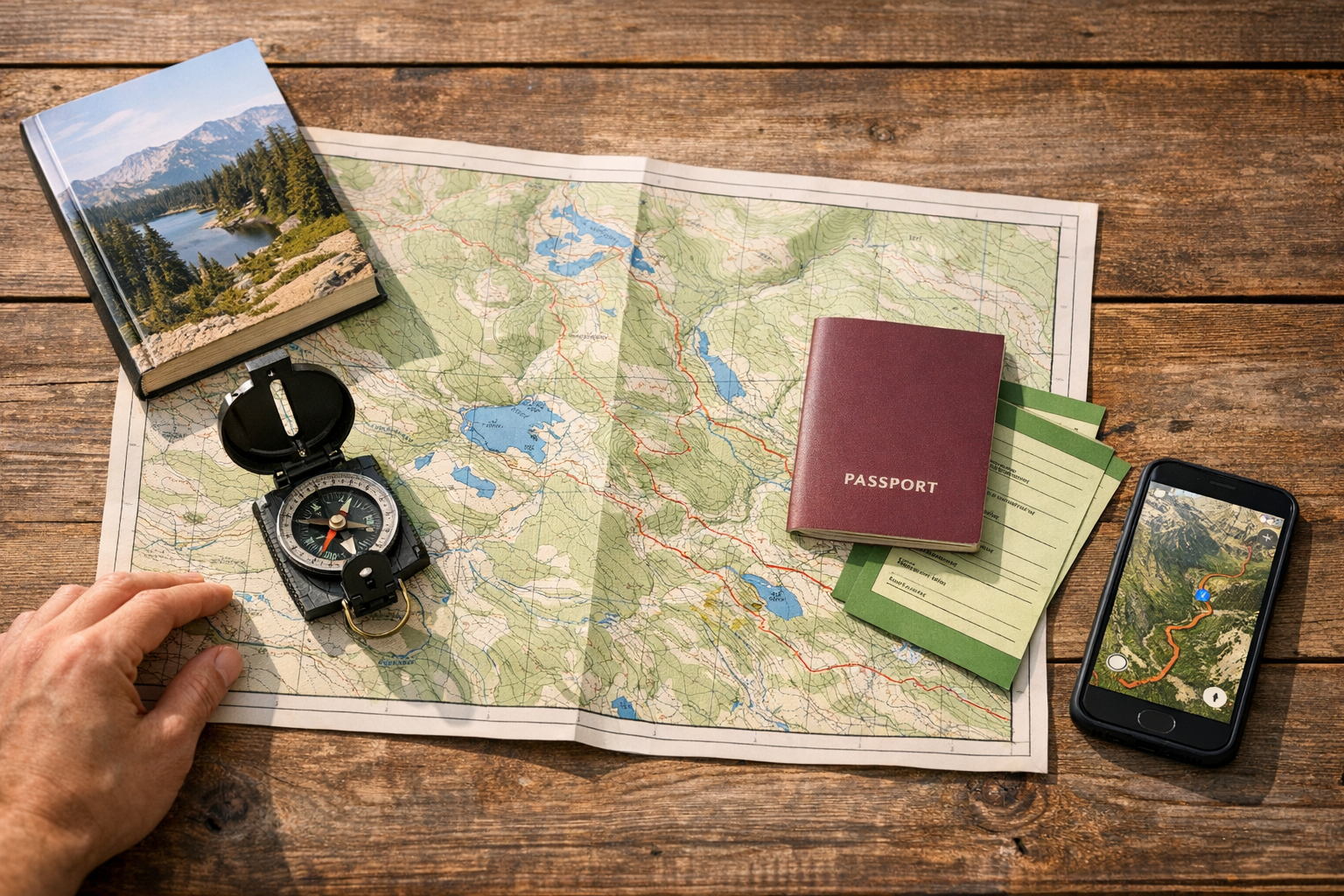
The single biggest mistake hikers make when planning a trekking vacation is underestimating lead time. For permit-limited trails like the Inca Trail or Milford Track, a six-to-twelve-month booking window is not hyperbole—it is the operational reality. Build your planning timeline backward from your target departure date and identify every permit, hut reservation, and transport booking that has a hard deadline.
Booking priority order for permit-limited trails: 1. Trail permit (often the hardest bottleneck) 2. Accommodation at trailhead towns (prices spike when permits release) 3. International flights 4. Ground transportation between airports and trailheads 5. Gear acquisition and pre-trip conditioning hikes
For trails without permit limits—the TMB, Camino Francés, Haute Route—your primary booking priority shifts to hut and refuge reservations for peak-season dates. The Rifugio Walter Bonatti on the TMB and the AMC huts in New Hampshire's White Mountains both operate effectively as mini-hotels with high demand; treat them accordingly.
Ground transportation is frequently the weak link. Trailheads like KM 82 for the Inca Trail, Lukla for Everest Base Camp, and Te Anau for the Milford Track all require multi-leg transfers that must be pre-booked. A missed bus connection in Cusco or a delayed flight into Queenstown can cascade into a forfeited permit. Use reliable, vetted ground transportation services and build buffer days into your itinerary at both ends.
Travel insurance is non-negotiable for any trail above 3,000 meters. Mountain rescue in Switzerland can cost €2,000–€10,000 or more without coverage. In Nepal, helicopter evacuation from high altitude routinely exceeds $5,000 USD. Ensure your policy explicitly covers high-altitude trekking and emergency evacuation—standard travel policies often exclude activities above 3,000 meters unless specifically endorsed.
Conditioning matters more than gear. The majority of hikers who struggle on trails like the Inca Trail or White Mountains section of the AT are underprepared physically, not under-equipped. A structured twelve-week training program that includes loaded pack hikes on elevation gain of 600–900 meters will transform your experience on any of the trails in this guide. Start earlier than you think you need to.
Plan this trip
Frequently Asked Questions
The Inca Trail in Peru (permits sell out 6–12 months ahead; daily cap of 200 trekkers), the Milford Track in New Zealand (booking opens June 1 annually; 90 independent walkers per day), and the AMC huts on the Appalachian Trail's White Mountains section (reservations open December for the following summer) all require significant advance planning. The Tour du Mont Blanc requires no trail permit but key refuges like Rifugio Walter Bonatti book out 3–6 months ahead for July and August.
The dry season from May through October is the standard recommendation, with June through August being peak. The shoulder months of April and October offer drier conditions with noticeably fewer crowds. The trail closes entirely in February for maintenance. Nighttime temperatures at high camp can drop to 0–5°C (32–41°F) even in the dry season, so a quality sleeping bag rated to at least -5°C is essential regardless of when you go.
The TMB has no trail permit fee. Self-guided hikers using mountain refuges can budget €80–€130 per day, covering dorm accommodation (€25–€45/night) or half-board (€55–€100/night) and food. A full self-guided trip with luggage transfer services typically costs €1,500–€2,500 total. Organized guided group tours run €2,000–€3,500 per person for 10–12 days all-inclusive. Non-Schengen passport holders (including UK, US, and Canadian citizens) also need a Swiss eTA (€65) from January 2025.
Absolutely. The AT's 3,524 km length through 14 states makes it ideal for section hiking. Popular standalone experiences include McAfee Knob in Virginia (8.8 miles round trip), Max Patch in North Carolina (2.4 miles round trip), the Smokies section (approximately 70 miles over 5–7 days), and the White Mountains of New Hampshire. Section hikers face minimal permit requirements—only Great Smoky Mountains NP (free permit via Recreation.gov) and Baxter State Park in Maine ($15/vehicle) charge fees.
The Milford Track is rated easy to moderate and is genuinely accessible to fit beginners who have done some multiday walking before. The highest point, Mackinnon Pass at 1,154 meters, involves a sustained climb but no technical terrain. The main challenge is weather—Fiordland averages rain on 182 days per year at the pass, and hikers must be fully prepared for wet conditions regardless of the forecast. The guided Ultimate Hikes option provides expert support and private lodge accommodation, making it the safest choice for less experienced trekkers.
You need a policy that explicitly covers high-altitude trekking (confirm the altitude ceiling—many standard policies exclude activities above 3,000 meters without endorsement) and emergency helicopter evacuation. For Nepal's Everest Base Camp trek (5,364 meters), evacuation costs can exceed $5,000 USD. For Switzerland on the TMB or Haute Route, mountain rescue can run €2,000–€10,000 without coverage. Specialist providers such as World Nomads, Battleface, and Global Rescue offer policies designed for adventure trekking. Always read the exclusions before purchasing.
The Milford Track in New Zealand is the most approachable first international trek for English-speaking hikers. The infrastructure is excellent, the huts are well-maintained, the distance (53.5 km over 4 days) is manageable, and the DOC booking system is straightforward. The Camino de Santiago (Camino Francés) is an excellent alternative for those who prefer a cultural walking experience with abundant support infrastructure, plentiful accommodation options, and no altitude concerns whatsoever.