

What Is Vrbo and How Does It Work in 2026?

Vrbo — pronounced "VER-bo" and short for Vacation Rentals by Owner — is the world's largest platform dedicated exclusively to whole-home vacation rentals. Owned by Expedia Group since its 2015 acquisition of the former HomeAway brand, the Austin, Texas-based platform now lists approximately 2 million properties across 190+ countries. That single word — exclusively — is the cornerstone of everything Vrbo does differently. Unlike competitors that mix private rooms, shared spaces, and hosted stays into the same search results, every single Vrbo booking gives you the entire property. No host sleeping down the hallway, no strangers sharing the kitchen at 7 a.m.
That design decision is not accidental. Vrbo's core audience is families, multi-generational groups, and parties of four or more who prioritize privacy, communal space, and the practicality of a full kitchen over the novelty of a spare bedroom. The average Vrbo booking accommodates four to six guests — more than double the typical Airbnb party size. The platform's inventory reflects this: beach houses with game rooms, mountain cabins with hot tubs, lake houses with boat docks, Tuscan farmhouses with private pools, and ski chalets with ski-in/ski-out access.
Hosts on Vrbo range from individual owners renting a single beach cottage to professional property management companies overseeing hundreds of units. Property management companies now account for an estimated 40–50% of active Vrbo inventory, which means a growing share of listings operate with the reliability and responsiveness of a hospitality business rather than a private homeowner. Listings display photos, guest capacity, bedroom and bathroom counts, available amenities, house rules, cancellation policy tiers, and live calendar availability. Premier Host properties — Vrbo's equivalent of a quality badge — have met verified thresholds for review scores (typically 4.3 stars or above), booking volume, low cancellation rates, and fast response times, giving travelers an additional layer of confidence when selecting a property.
The Vrbo Booking Process: Step by Step
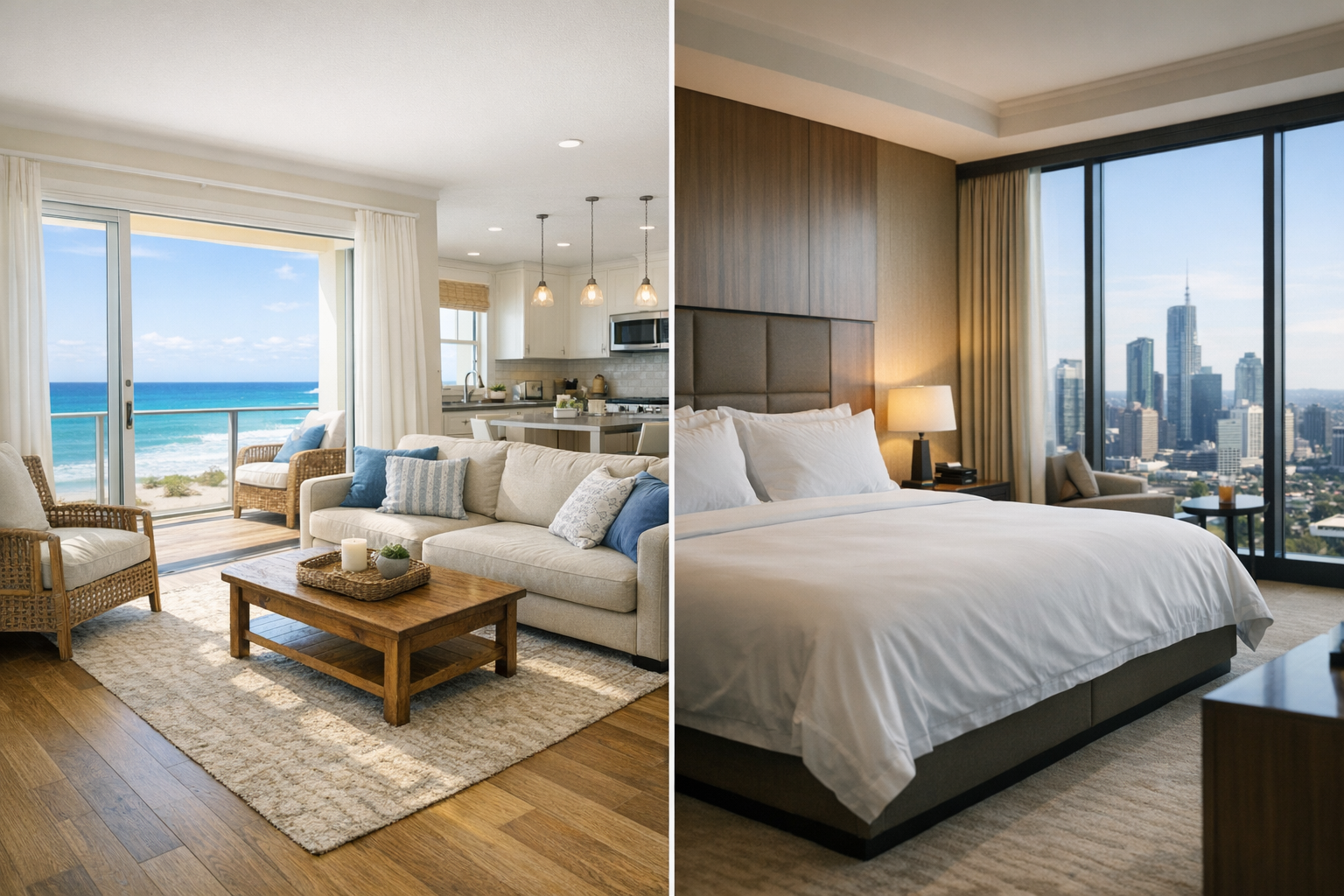
Booking a Vrbo property in 2026 is straightforward, but understanding each step prevents the most common guest frustrations — particularly around pricing surprises and cancellation expectations.
Step 1: Search and Filter Start with destination, arrival and departure dates, and guest count. Vrbo's filter set is genuinely useful: price range, number of bedrooms and bathrooms, specific amenities (private pool, hot tub, waterfront, pet-friendly, game room), property type, and cancellation policy flexibility. Critically, always switch to map view before finalizing your shortlist. A "beachfront" label on a listing can mean anything from steps-to-sand to a 10-minute drive from the water. The map makes that immediately clear.
Step 2: Evaluate Listings Carefully Never evaluate a Vrbo property on the nightly rate alone. Click through to the full pricing breakdown before you mentally commit. Read the cancellation policy closely — Vrbo uses five tiers (No Refund, Strict, Firm, Moderate, and Relaxed), and the difference between Strict and Relaxed can mean the difference between a full refund and a total loss if your plans change. Check minimum stay requirements: many peak-season beach and ski properties require three to seven nights minimum, and popular Outer Banks properties frequently require Saturday-to-Saturday weekly bookings in July and August. Pay attention to review recency — a listing with 200 reviews but no new ones in the past year is a meaningful red flag worth investigating.
Step 3: Understand the True Cost Every Vrbo booking compounds into a total that can be 40–60% above the advertised nightly rate once all fees are applied. A realistic example: a seven-night Gulf Coast beach house at $350 per night generates a $2,450 nightly subtotal, then adds a $250 cleaning fee, an 11% Vrbo service fee of approximately $300, and local lodging taxes of roughly $324 — bringing the true total to approximately $3,324. That's nearly $475 per night in actual cost. This math is not a reason to avoid Vrbo; it is a reason to compare total price, not nightly rate, across platforms and against hotel alternatives.
Step 4: Instant Book vs. Request to Book Approximately 60% or more of Vrbo listings now support Instant Book, which confirms your reservation immediately without waiting for host approval. The remaining listings require a Request to Book, where the host has up to 24 hours to accept or decline. You are not charged until a Request to Book is approved. Vrbo accepts major credit cards and PayPal, and all payments are processed through Vrbo — not sent directly to the host, which is an important consumer protection. For bookings made 30 or more days before check-in, Vrbo frequently offers a split-payment option: 50% due at booking, with the remaining 50% charged automatically 30 days before arrival.
Step 5: Pre-Arrival and Check-In Most hosts send check-in instructions three to seven days before your arrival date. The vast majority of Vrbo properties now use keypad or smart lock entry, eliminating the friction of key handoffs. Expect a digital house manual covering Wi-Fi credentials, appliance instructions, trash pickup days, parking details, and local dining recommendations. The quality of this document varies widely — Premier Host properties tend to deliver more thorough pre-arrival communication, which is one reason that badge carries real weight for travelers.
For travelers also exploring airport transfers or rental cars to reach their destination, comparing ground transportation options early is worthwhile — rates and availability fluctuate significantly in resort markets during peak season. Our guide to [car rental strategies for vacation destinations](/car-rentals-guide/) covers the timing and booking tactics that save the most money.
Vrbo Fees Explained: What You Actually Pay in 2025–2026

Fee transparency is one of the most legitimate criticisms leveled at the short-term rental industry broadly, and Vrbo is not immune. Understanding exactly what each line item covers — and who receives it — removes the most common booking frustration.
Guest Service Fee Vrbo charges guests a service fee of approximately 9–13% of the booking subtotal (nightly rate plus cleaning fee). This revenue goes entirely to Vrbo, not to the host. The percentage tends to decrease slightly on higher-value bookings. There is no membership or annual fee required for guests to access the platform.
Cleaning Fee Set by the individual host or property manager, cleaning fees range from around $50 for a small studio to $500 or more for a large beachfront home. This fee does not indicate that guests are exempt from basic tidying — nearly every Vrbo property requires guests to start the dishwasher, bag trash, and strip beds before checkout. The cleaning fee covers professional deep cleaning between stays, not a hotel-style daily service.
Damage Protection Hosts choose between two models: a refundable damage deposit (a hold placed on your credit card, typically released within 7–14 days after a clean checkout) or a non-refundable damage waiver fee of approximately $25–$75 that provides coverage for accidental damage up to a set limit, commonly $1,500–$3,000. The damage waiver has become the more common option because it simplifies the post-stay experience for both parties.
Lodging and Occupancy Taxes These are collected by Vrbo on behalf of local jurisdictions and vary significantly by location — from roughly 5% in some rural counties to 15% or more in resort markets like Maui or Park City. Vrbo automatically calculates and remits these taxes in most U.S. markets, which protects guests from unexpected tax bills.
Host Fees For context: hosts on the standard pay-per-booking model pay Vrbo a 5% commission on each reservation. This is lower than the 15–20% commission charged by many other platforms, which is one reason Vrbo retains a loyal community of professional property managers who list their best inventory here first.
Plan this trip
Vrbo vs. Airbnb: Which Platform Should You Use?
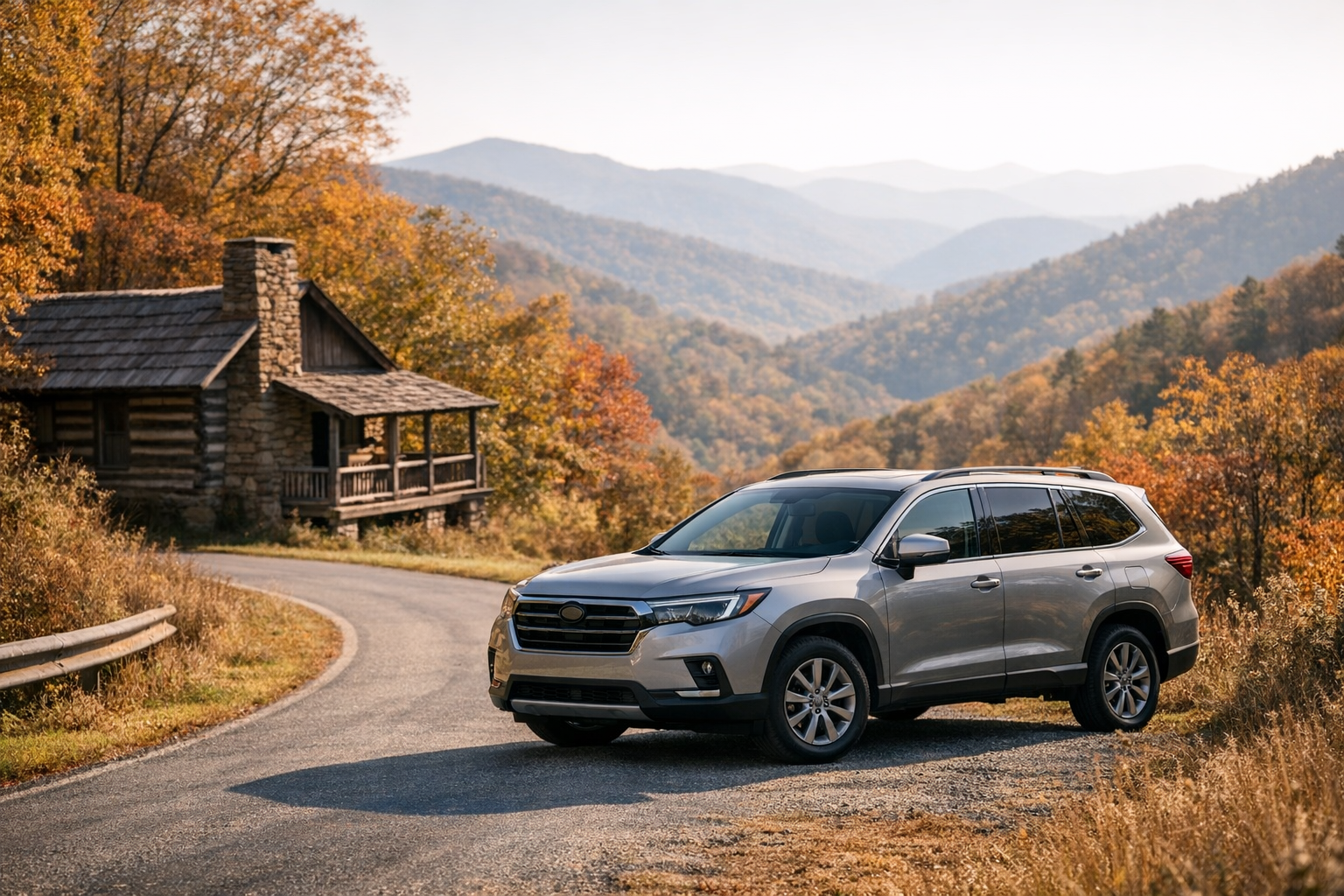
The Vrbo versus Airbnb debate is among the most common questions in vacation planning, and the honest answer is that both platforms have genuine strengths — the right choice depends entirely on your travel profile.
Where Vrbo Wins For families or groups of four or more people, Vrbo's whole-home-only model eliminates an entire category of booking risk. You will never arrive at a Vrbo property to find the host living in the basement or a landlord collecting mail in the lobby. Every booking is an entire private residence. This is Vrbo's structural advantage, and it matters most for beach, lake, mountain, and resort-destination travel where properties typically sleep six to fourteen guests. Vrbo's inventory in these markets — Gulf Coast Florida, the Smoky Mountains, the Outer Banks, Park City, Lake Tahoe, the Algarve, Tuscany — is deep and highly competitive. If your itinerary involves a full kitchen for family meals, a yard or pool for kids, and multiple bedrooms for adults who need actual sleep, Vrbo is the purpose-built tool for that trip.
Where Airbnb Wins Airbnb's inventory of approximately 7–8 million listings dwarfs Vrbo's roughly 2 million, and the difference is most pronounced in urban markets and international destinations. A solo traveler or a couple spending three nights in Lisbon, Tokyo, or Chicago will find more options — including private rooms, boutique guesthouses, and price points that undercut hotels meaningfully — on Airbnb. For stays of one to two nights in a city center, Airbnb's larger urban inventory and the absence of a multi-night minimum on many listings give it a practical advantage that Vrbo can't fully match.
Service Fee Comparison Vrbo's guest service fee runs approximately 9–13% of the booking subtotal. Airbnb's equivalent fee ranges from 6–15% and varies more widely based on property and booking value. Neither platform is consistently cheaper on fees — the cleaning fee (set by the host on both platforms) tends to be the bigger variable and the more meaningful cost differentiator between two otherwise similar properties.
Review Systems and Trust Both platforms use two-way review systems in which hosts and guests rate each other after a stay. Vrbo's Premier Host program and Airbnb's Superhost designation serve similar trust-signaling functions. Practically speaking, Premier Host properties on Vrbo receive higher search visibility and access to dedicated support, which benefits guests as well as hosts.
For travelers navigating a destination that sits at the intersection of both platforms' strengths — a large beach house rental combined with a few nights in a nearby city — it's worth searching both platforms and comparing total price, cancellation policy, and host response metrics for each specific property before committing.
Vrbo vs. Hotels: A Detailed, Honest Comparison

The vacation rental versus hotel decision is not about which option is categorically better — it is about which is better for a specific group size, destination type, and trip duration. The math changes substantially depending on those three variables.
The Space Argument A typical Vrbo three-bedroom vacation rental offers between 1,500 and 2,500 square feet of living space. A typical hotel room occupies 300–450 square feet. For a family of six or a group of eight, the difference is not a luxury preference — it is a functional necessity. Two hotel rooms at a Gulf Coast resort during peak summer typically run $500–$700 per night combined, generating a seven-night total of $3,500–$4,900 before accounting for any meals. A comparable three-bedroom Vrbo beach house at $450–$600 per night with fees and taxes might reach $4,200–$5,500 total — but with a full kitchen that realistically saves $100–$200 per day on meals for a family, the net cost often swings in Vrbo's favor by the end of the week.
The Cost Reality for Shorter Urban Stays For a couple spending three nights in a city, the math frequently flips. A clean, centrally located hotel room at $180–$220 per night totals $540–$660. A comparable Vrbo one-bedroom apartment at $150 per night adds a $100 cleaning fee, an 11% service fee, and local taxes — arriving at a total of $650–$850. The hotel wins on price for short stays, adds daily housekeeping, and provides the cancellation flexibility that Vrbo's stricter policies often cannot match.
Where Hotels Hold a Structural Edge Hotels offer amenities that vacation rentals cannot replicate: on-site restaurants, fitness centers, concierge services, pools maintained by professional staff, and business infrastructure. Major hotel loyalty programs — Marriott Bonvoy, Hilton Honors, World of Hyatt — generate points that have meaningful redemption value for frequent travelers. Hotels can be booked for a single night with same-day availability, require no checkout chores, and provide on-site problem resolution when something goes wrong. Post-COVID, many hotels have reduced daily housekeeping, but the fundamental service infrastructure remains.
One often-overlooked hotel cost: resort fees. Hotels in destinations like Las Vegas, Miami Beach, and Hawaii routinely add $25–$75 per night in mandatory resort fees that do not appear in the initial advertised rate — a pricing practice that mirrors the fee transparency complaints lodged against vacation rental platforms. Neither industry has a clean record on upfront pricing.
The Verdict For groups of four or more, stays of four nights or longer, and resort-destination travel with a kitchen, Vrbo typically delivers more value. For couples and solo travelers, urban trips, stays of one to three nights, and situations where cancellation flexibility is paramount, hotels frequently win on both cost and convenience. Many experienced travelers use both strategically within the same trip. Our [hotel booking guide](/hotel-booking-guide/) covers how to maximize loyalty programs and find the best rates when a hotel is the right call.
Plan this trip
Top Vrbo Destinations and Real Pricing by Region (2025–2026)

Understanding actual market rates — not just ballpark figures — is essential for building a realistic vacation budget. The following is drawn from current Vrbo market data organized by destination type.
U.S. Beach Destinations Florida's Gulf Coast — particularly the 30A corridor between Destin and Panama City Beach — consistently ranks among Vrbo's highest-volume U.S. markets. Peak summer rates for a three-bedroom beach house run $400–$900 per night, with beachfront properties commanding a 30–60% premium over comparable non-beachfront inventory. Off-peak shoulder seasons (April–May, September–October) offer 35–50% savings on the same properties.
The Outer Banks of North Carolina operate on their own scheduling logic: most premium properties are rented Saturday-to-Saturday during July and August, and weekly rates for a three-bedroom house range from $2,500 to $5,000. Large-group homes sleeping ten to fourteen guests regularly reach $6,000–$15,000 per week at peak. September and October on the Outer Banks represent one of the best-value windows in American beach rental markets — prices drop 40–60%, crowds thin, the ocean remains warm, and minimum stay requirements often relax to three or four nights.
Mountain and Ski Destinations The Tennessee and North Carolina Smoky Mountains represent Vrbo's single densest concentration of cabin inventory in the United States. The Gatlinburg and Pigeon Forge area offers one-bedroom cabins from $150–$350 per night and three-bedroom cabins with hot tubs from $250–$600 per night, with demand spread across all four seasons. Park City, Utah, commands ski-season rates of $400–$900 per night for a two-bedroom ski-in/ski-out condo and $600–$1,500 per night for a four-bedroom house from December through March.
Lake Destinations Lake Tahoe on the California-Nevada border operates as a dual-peak market — summer recreation from July through August and ski season from December through March generate comparable demand. Three-bedroom lakeside houses average $400–$900 per night in summer. South Lake Tahoe's enacted short-term rental permit restrictions have meaningfully constrained inventory on the California side, pushing prices upward and making early booking — ideally three to six months out for peak dates — essential.
International Highlights Tuscany's farmhouse and villa market peaks July through August at $500–$2,000 per night for properties sleeping six to eight guests; October through April offers 40–60% reductions with dramatically reduced tourist pressure. Portugal's Algarve has emerged as one of Europe's most competitive vacation rental markets, with three-bedroom pool villas running $300–$800 per night in peak summer. Mexico's Riviera Maya corridor around Puerto Morelos and Akumal offers strong Vrbo inventory outside the all-inclusive resort zones, with four-bedroom pool villas available from $400–$1,000 per night.
A Note on Regulatory Risk New York City's Local Law 18, which took effect in 2023, effectively eliminated whole-home short-term rentals by requiring host presence and limiting stays to two guests — meaning Vrbo has virtually no viable inventory in the five boroughs. Maui has similarly restricted new STR permits in residential zones following the 2023 Lahaina wildfires and the broader housing crisis, significantly contracting available inventory and pushing prices upward on the permits that remain legally active. Any traveler planning a Vrbo stay in a high-regulation market should verify a property's permit status before booking. For destination-specific travel planning — including which neighborhoods and property types fall inside or outside permit zones — our [destination travel planning resources](/destination-guides/) provide current regulatory context.
Pro Tips for Getting the Most from Vrbo in 2026
Booking the right property at the right price requires more than entering dates and clicking the first listing with good photos. These strategies separate experienced vacation rental travelers from first-timers who end up disappointed.
Book by Total Price, Never Nightly Rate Vrbo allows sorting by total price rather than nightly rate — use it. A property advertised at $250 per night with a $400 cleaning fee and a mandatory seven-night minimum costs more in fees alone than a competing property at $300 per night with a $150 cleaning fee. Always compare total trip cost, including all fees and taxes, before drawing conclusions about relative value.
Understand Cancellation Tiers Before You Book Vrbo's five cancellation policy tiers (Relaxed, Moderate, Firm, Strict, No Refund) are not standardized across listings — each host sets their own policy, and it cannot be changed after booking. If your travel dates carry meaningful uncertainty (work travel, young children, health factors), filtering listings to Relaxed or Moderate cancellation policies before searching is the single most effective way to protect your investment. Travel insurance purchased at booking provides additional coverage for unforeseen cancellations, but it does not override the property's cancellation policy.
Target Off-Peak Shoulder Seasons Strategically The best-value windows in most U.S. vacation rental markets are May (post-spring-break, pre-summer), September, and the first half of October. Properties that command $600 per night in July frequently sit at $300 per night in September with identical amenities and significantly reduced crowds. Ocean temperatures along the Gulf Coast and Atlantic seaboard remain warm through late September. Smoky Mountains fall foliage season (mid-October through early November) is legitimately stunning but carries its own demand spike — book foliage season cabins five to six months in advance.
Communicate with the Host Before Booking For any booking exceeding $2,000 in total cost, it is worth sending the host a brief message before booking — especially on Request to Book listings. Ask a specific, practical question: whether the Wi-Fi is sufficient for remote work, whether the private pool is heated, whether early check-in is possible on your arrival date. A fast, detailed, warm response signals the kind of host who will resolve problems during your stay. A slow, vague, or tone-deaf response tells you something equally important.
Use Vrbo's Split Payment Option Strategically For high-value bookings made well in advance — a peak-week beach house booked in January for July, for example — Vrbo's split payment option (50% at booking, 50% due 30 days before arrival) is worth using. It preserves cash flow and gives you a second checkpoint to verify the booking remains accurate before the second payment clears.
Verify Premier Host Status for High-Stakes Bookings For milestone trips — anniversary vacations, family reunions, wedding-week accommodations — filtering to Premier Host properties is worth the reduced pool of options. Premier Hosts have demonstrated booking volume, high guest satisfaction scores, low cancellation rates, and responsiveness that the badge requirements enforce. For a trip where the accommodation is central to the entire event, the quality consistency that Premier Host status signals is genuine insurance.
Plan this trip
Frequently Asked Questions
Yes. Vrbo is owned by Expedia Group, one of the world's largest publicly traded travel companies. All payments are processed through Vrbo's secure platform — you never pay a host directly — and Vrbo offers a Book with Confidence Guarantee that provides rebooking assistance and, in eligible cases, refunds if a property is materially misrepresented or unavailable at check-in. Using a major credit card for all Vrbo bookings adds an additional layer of chargeback protection.
The fundamental difference is property type: Vrbo lists exclusively whole-home rentals where you have the entire property to yourself, while Airbnb includes private rooms, shared spaces, and hosted stays alongside whole-home listings. Vrbo's inventory (~2 million listings) is smaller than Airbnb's (~7–8 million), but it is purpose-built for families and groups seeking full privacy. Vrbo consistently outperforms Airbnb in beach, lake, and mountain resort markets for multi-night group stays.
Vrbo charges guests a service fee of approximately 9–13% of the booking subtotal (nightly rate plus cleaning fee). This fee goes to Vrbo, not the host. The exact percentage varies by booking value — higher-value bookings typically fall toward the lower end of that range. There is no annual fee or membership cost for guests. Hosts on the standard pay-per-booking model pay Vrbo a separate 5% commission.
Direct negotiation through Vrbo's messaging system is possible, though it is less common than on some other platforms. For off-peak dates or longer stays than the host typically books, a polite inquiry about whether flexibility exists on the nightly rate or cleaning fee occasionally yields a discount — particularly with individual owner-hosts rather than professional property managers. All negotiated pricing must be processed through the Vrbo platform; any host who asks for payment outside of Vrbo should be treated as a serious red flag.
Vrbo's Book with Confidence Guarantee applies to all eligible bookings. If a property is significantly misrepresented (materially different from its listing description), inaccessible at the time of check-in, or uninhabitable, Vrbo's customer support will work to find you comparable replacement accommodation or issue a refund depending on the circumstances. Document any discrepancies with photos and contact Vrbo support immediately upon discovering the issue — not after the stay ends.
For peak-season beach and ski destinations, booking three to six months in advance secures the best inventory — especially for properties with four or more bedrooms. Outer Banks, 30A, and Smoky Mountains properties for July and August are frequently fully booked by February or March. For shoulder-season travel (May, September, October), four to eight weeks of lead time is often sufficient. Last-minute bookings within seven to fourteen days of arrival can occasionally yield significant discounts as hosts price aggressively to fill remaining open windows.
Many Vrbo properties are pet-friendly, and the platform's filter system allows you to search exclusively for properties that accept pets. Pet policies vary: some hosts charge a flat pet fee ($50–$150 per stay), others list pet-friendly properties at no additional charge, and some impose a weight limit or restrict certain breeds. Always confirm the specific pet policy in the listing and read the house rules before booking — undisclosed pets that cause damage can result in charges against your damage deposit.
No. Short-term rental regulations vary significantly by city, county, and in some cases by neighborhood or property type. New York City's Local Law 18 (effective 2023) effectively eliminated whole-home short-term rentals in the five boroughs. Maui has restricted new STR permits following the 2023 Lahaina wildfires. South Lake Tahoe requires active permits and has capped their number. Before booking in any major city or heavily regulated resort market, verify that the listing displays a valid permit number — which legitimate hosts in regulated markets are required to show.