Why Hot Air Balloon Rides Belong on Every Serious Traveler's Bucket List
There are few travel experiences that combine genuine silence, extraordinary altitude, and zero mechanical roar quite like a hot air balloon ride. You drift at the whim of thermal currents, hovering anywhere from 300 to 3,000 feet above the earth, with a panoramic view no helicopter tour or observation deck can replicate. The craft itself hasn't changed dramatically since the Montgolfier brothers lifted off from Annonay, France, on June 4, 1783—propane burners replaced straw-and-wool fires, and modern ripstop nylon replaced linen, but the fundamental physics remain identical.
What has changed is the global appetite for the experience. The hot air balloon tourism market was valued at approximately $190 million in 2023 and is projected to exceed $280 million by 2030, according to industry research aggregated by Mordor Intelligence. That growth is driven by a widening geography of world-class destinations and increasingly sophisticated operators who bundle flights with fine dining, wildlife encounters, and private luxury baskets.
This guide covers the places where a hot air balloon ride transcends novelty and becomes a genuinely transformative journey. Whether you're researching places hot air balloon operators can launch year-round, comparing places hot air experiences at different price points, or simply building the ultimate places hot guide for 2026 travel planning, the destinations below represent the absolute best the world offers. Prices, seasonal windows, safety considerations, and booking logistics are current as of late 2025 and projected through 2026.
1. Cappadocia, Turkey: The World's Most Iconic Balloon Destination
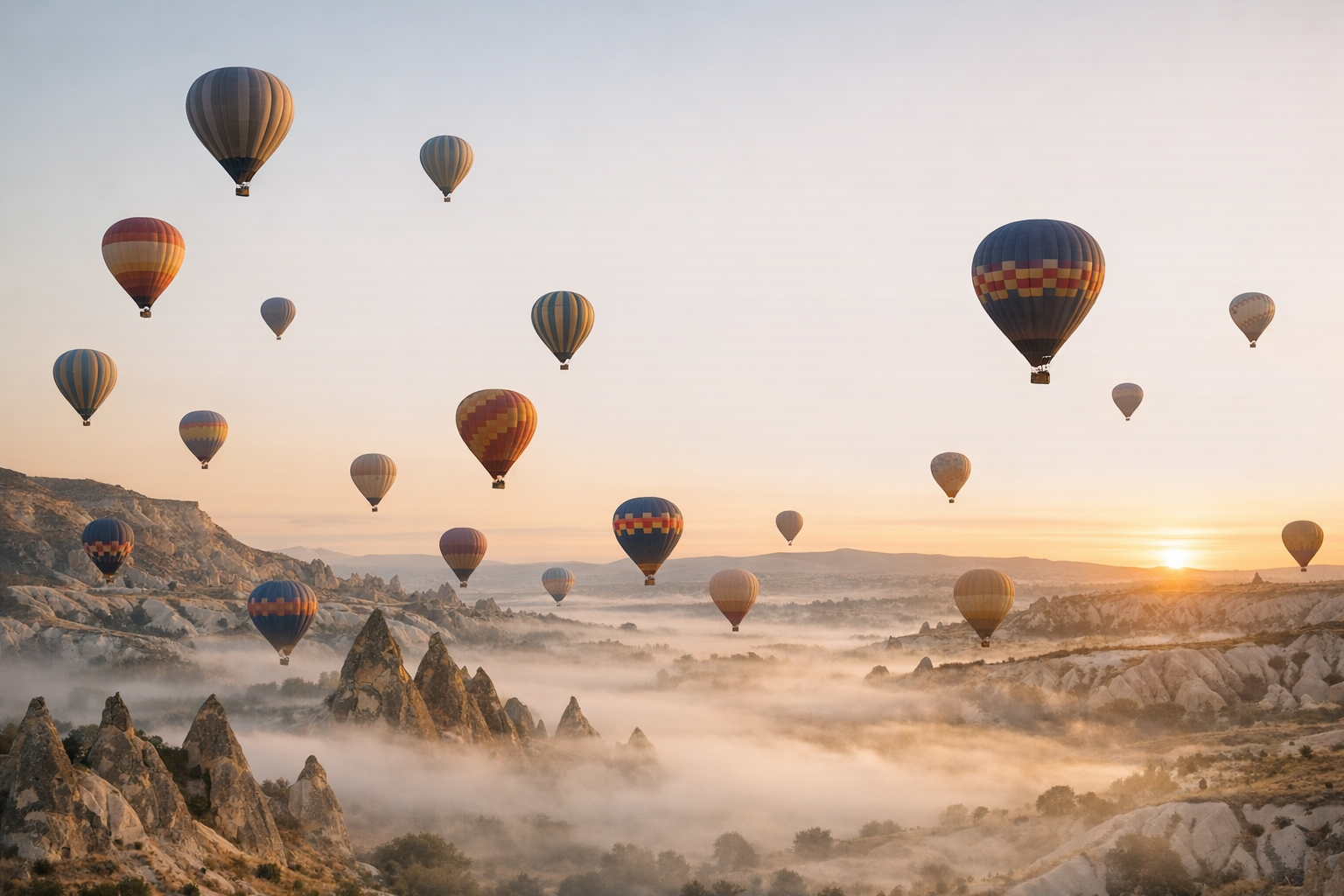
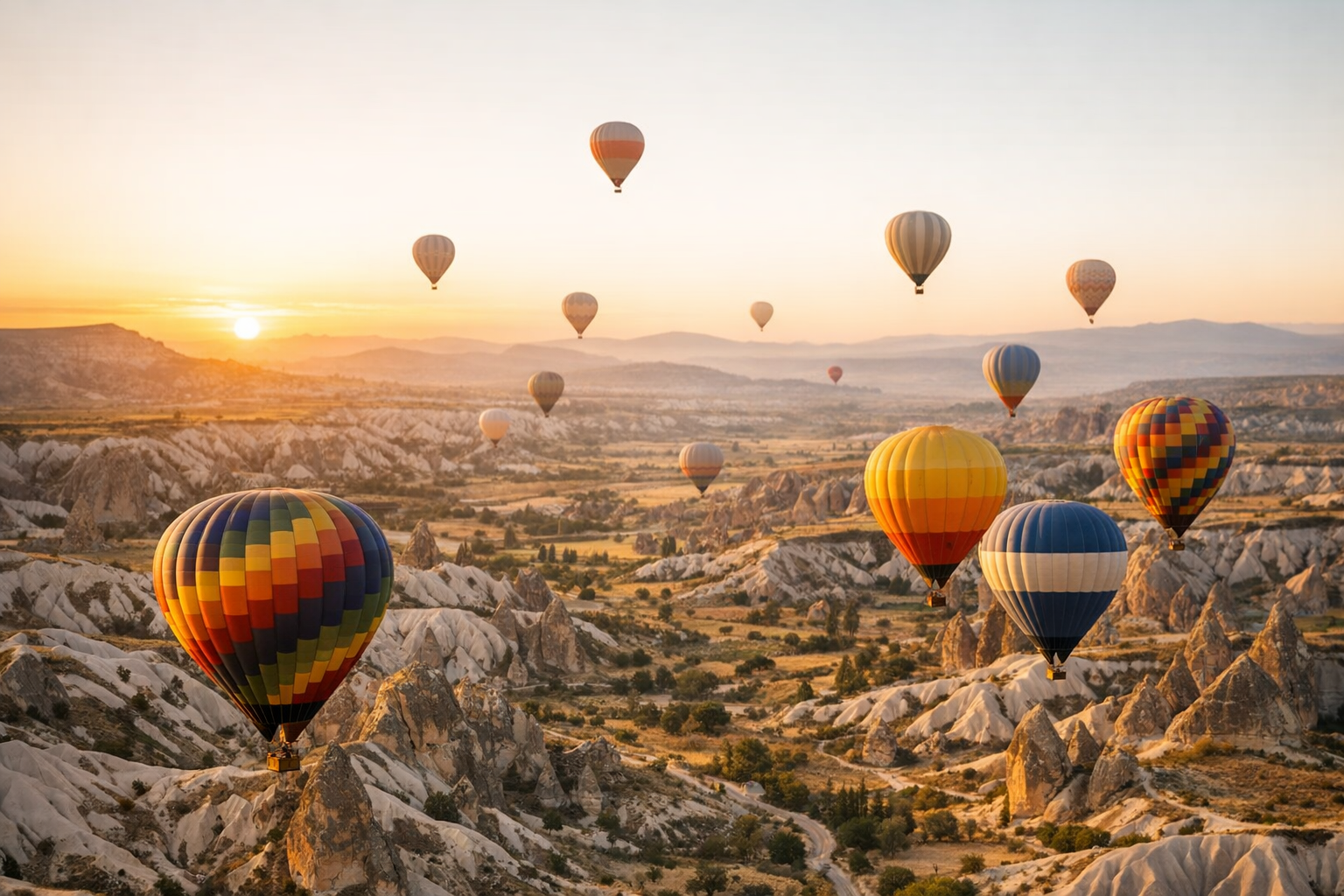
No destination on earth has become more synonymous with hot air ballooning than Cappadocia, and the reality fully lives up to the photographs. On a clear October morning above the Göreme valley, you may find yourself surrounded by more than 150 balloons simultaneously airborne—a phenomenon that occurs nowhere else on the planet. The landscape beneath is a UNESCO-recognized volcanic dreamscape: thousands of tuff-rock formations called fairy chimneys, cave churches carved by Byzantine monks, and underground cities that once sheltered tens of thousands of residents.
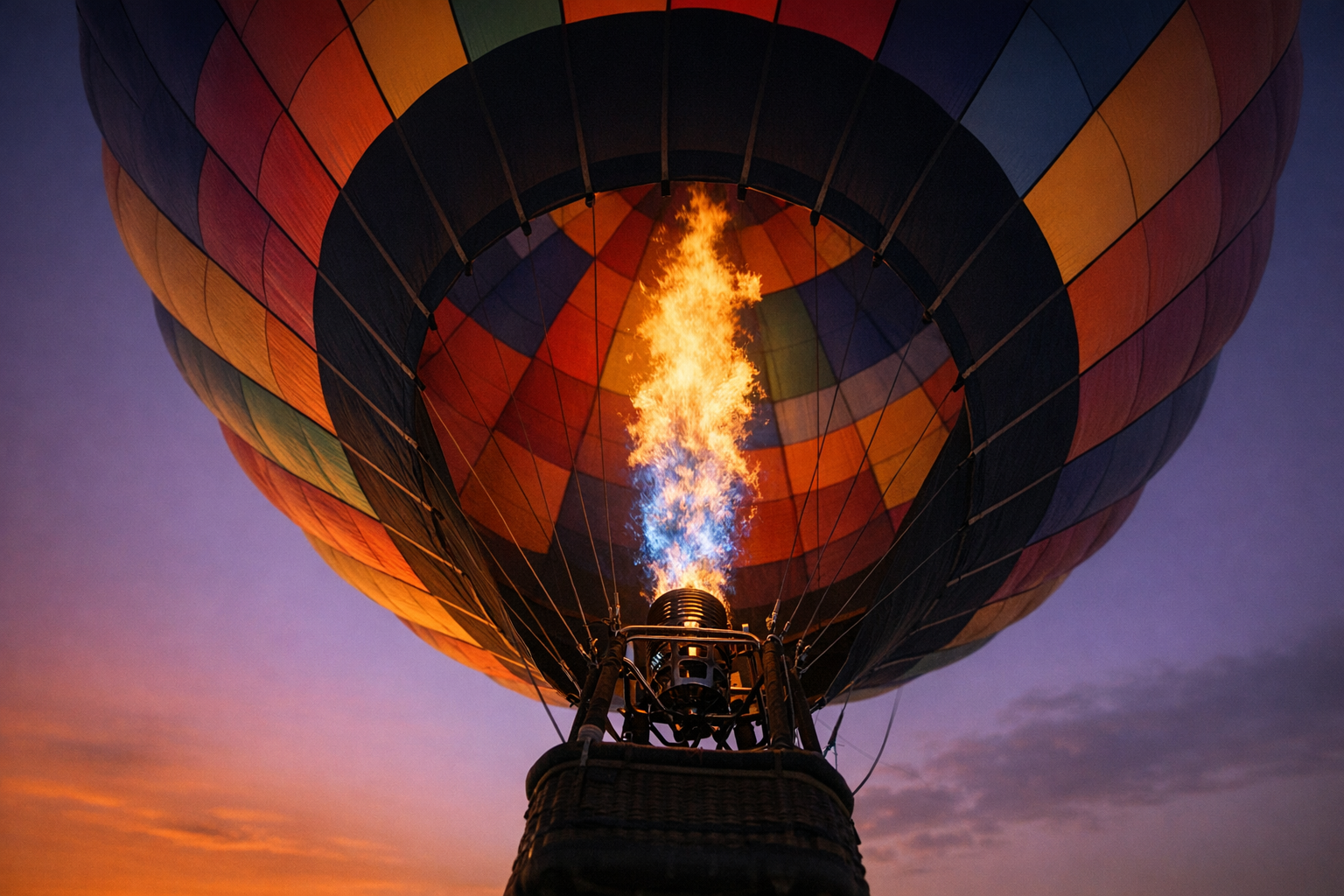
Flights depart roughly one hour before sunrise, meaning a 5:00–5:30 AM pickup from your hotel in Göreme or Ürgüp. The pre-dawn darkness makes the burner flames appear almost theatrical, and the transition from cold blue twilight to full golden sunrise happens while you're already airborne—few travel moments are more cinematically perfect.
What You'll Pay in 2026 Standard 60-minute comfort flights run $180–$250 per person with operators such as Atmosfer Balloons and Butterfly Balloons. Luxury 90-minute boutique flights from Kapadokya Balloons (established 1991, the oldest licensed operator in the region) and Royal Balloon range from $280 to $500, with premium private baskets reaching $450–$500. Prices have risen approximately 15% since 2023 due to Turkish inflation, though favorable exchange rates for dollar and euro holders partially offset that increase. Virtually all packages include hotel pickup, a champagne or juice toast post-flight, and a flight certificate.
When to Go April through June and September through November represent the two sweet spots. September and October deliver the most stable flying weather and the clearest skies, but demand is intense—book four to six months in advance. Avoid July and August: temperatures reach 30–38°C and afternoon wind patterns increase cancellation risk significantly. January cancellation rates can exceed 50% of all booked flights.
A practical note: Turkish authorities implemented a flight quota system in 2024 capping daily launches at approximately 150 balloons to reduce overcrowding and improve safety oversight. This makes advance booking more critical than ever. All legitimate operators must hold SHGM (Turkey's civil aviation authority) certification; always verify this before paying. Never book through street touts.
Getting There and Staying Nevşehir Kapadokya Airport (NAV) receives direct Turkish Airlines flights from Istanbul for as little as $40 one-way. Kayseri Airport (ASR) is 90 minutes away and often serves cheaper international connections. Cave hotels in Göreme start at $40–$80 per night for budget options; the legendary Museum Hotel in Ürgüp charges $400–$800 for its carved-rock suites. Most nationalities require a Turkish e-Visa ($52 USD, available at evisa.gov.tr) before arrival.
For travelers planning a longer regional itinerary, pairing Cappadocia with a luxury transfer across western Turkey or the Aegean coast is straightforward. Our guide to premium ground transportation options outlines how to combine airport connections with multi-destination road itineraries across the region.
2. Serengeti & Maasai Mara: Wildlife Balloon Safaris in East Africa
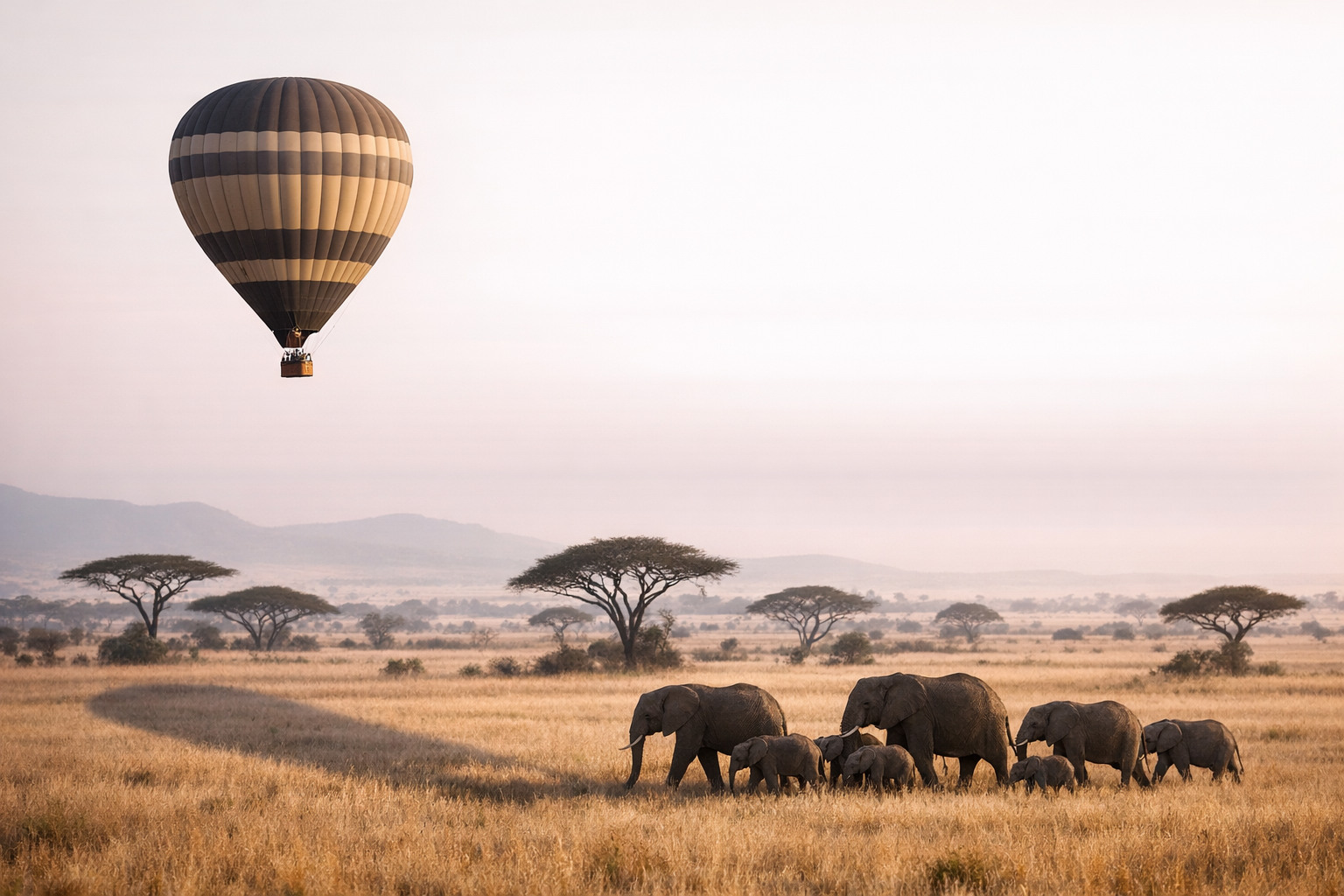
Floating at 500 feet above a pride of lions at dawn, or tracking a column of wildebeest stretching to the horizon during the Great Migration—this is what a balloon safari over Tanzania's Serengeti or Kenya's Maasai Mara actually feels like. It is categorically different from every other balloon experience on this list because the spectacle is alive and moving beneath you.
Serengeti Balloon Safaris is the dominant and most reputable operator in Tanzania, having flown passengers over the park since 1985. Their one-hour flights cost $699–$799 per person and include what may be the most extraordinary breakfast on earth: a full champagne bush breakfast served on white-linen tables set up in the open savannah after landing, surrounded by acacia trees and the sounds of the waking bush. Tanzania's national park fees for non-resident adults currently run $70 per day and may be included in your lodge rate or charged separately.
In Kenya's Maasai Mara, Governors' Camp Balloon Safaris charges approximately $620 per person, while Balloon Safaris Ltd operating from Keekorok runs $540–$600. Both include champagne breakfasts. Conservancy fees in the Mara typically add $80–$100 per person per day on top of accommodation.
Timing Is Everything The Great Migration wildebeest river crossings in the Maasai Mara occur July through September, making this the single best period for dramatic aerial wildlife photography. The Serengeti's calving season in the southern Ndutu area runs January through March and is equally spectacular—witnessing hundreds of thousands of wildebeest calves from 300 feet aloft ranks among Africa's most moving wildlife moments. Avoid April and May: the long rains make flights nearly impossible and roads impassable.
Flights launch at 6:00–6:30 AM. You must be staying at a lodge within or adjacent to the park; there is no day-trip balloon access in either destination. Fly into Kilimanjaro (JRO) or Arusha for the Serengeti, then charter to Seronera airstrip ($200–$400 per person). For the Mara, fly into Nairobi (NBO) and connect via SafariLink or AirKenya to Ol Kiombo or Keekorok airstrip (approximately $150–$250 each way).
Luxury tented camps in the Serengeti run $500–$1,500 per night all-inclusive; mid-range options start around $200. In the Mara, Governors' Camp charges $800–$1,200 per night. Kenya increased conservancy fees across several Mara conservancies in 2024, and Tanzania revised foreign visitor park fees upward the same year—factor this into your budget.
For travelers assembling a multi-country East Africa itinerary, connecting balloon experiences with private game drives and coast extensions requires careful airport transfer logistics. Our international airport transfer service page covers how to coordinate seamless connections between Nairobi, Arusha, and the bush airstrips.
Plan this trip
Hotels in Things to Do
Top-rated hotels with free cancellation.
Search Hotels →Hotels in Things to Do
Top-rated hotels with free cancellation.
Search Hotels →Vacation Rentals
Entire homes and condos — more space, more privacy.
Browse Rentals →Compare Car Rentals
Compare suppliers — Hertz, Enterprise, Sixt & more.
Find Cars →3. Napa Valley, California: Wine Country from 1,000 Feet
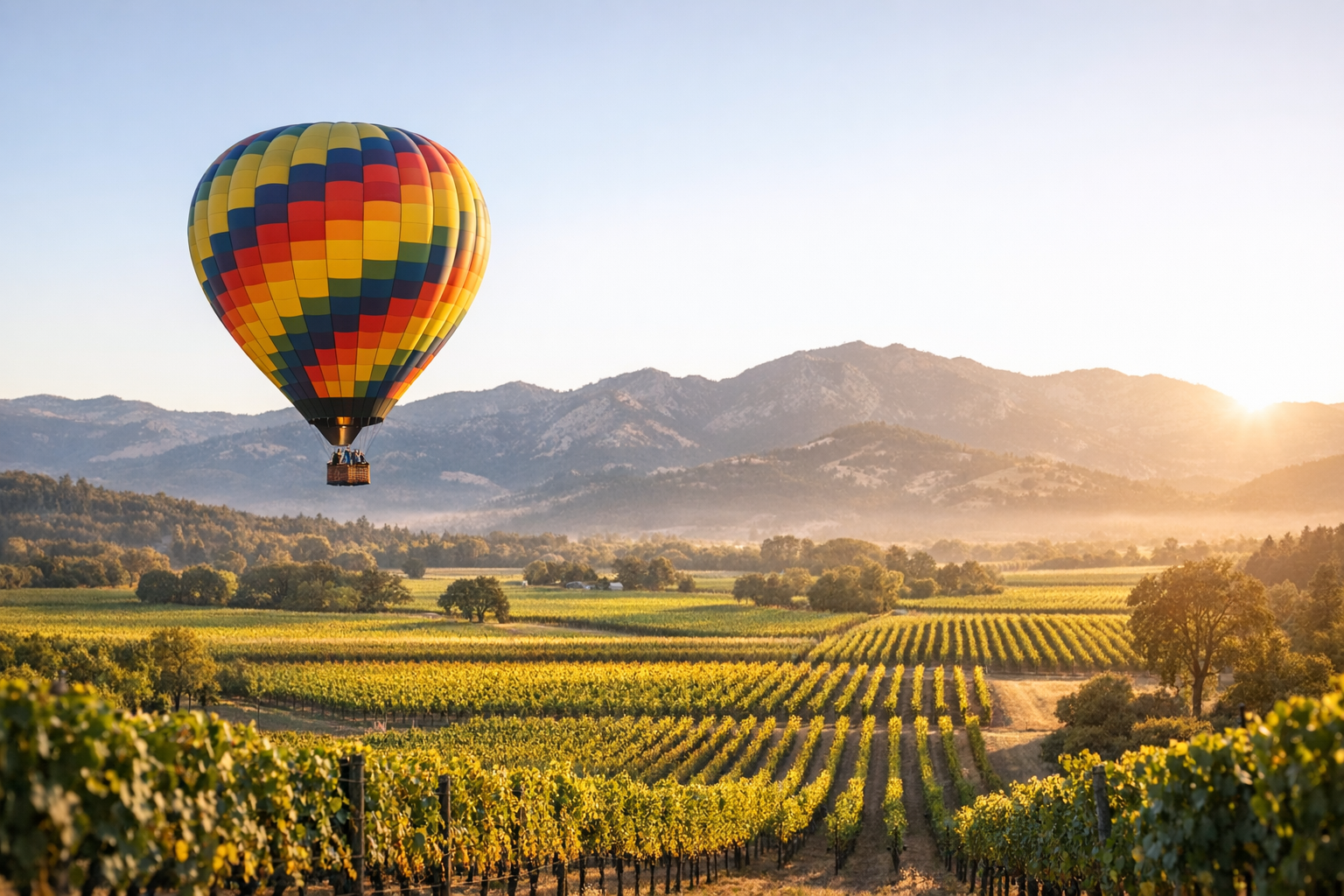
Napa Valley's balloon rides will never match Cappadocia for sheer spectacle, but they deliver something the Turkish landscape cannot: a gentle, civilized morning that ends with a sparkling wine brunch at one of California's finest estates. It is the hot air balloon experience designed for people who appreciate both the view and what comes after.
Approximately eight to twelve licensed operators serve the valley. Napa Valley Balloons is the most established, charging $299 per person for a one-hour flight followed by a champagne brunch at Domaine Chandon in Yountville—a sparkling wine house that itself warrants the drive from San Francisco. Balloons Above the Valley, operating since 1979, charges $265 per person. Adventures Aloft and Calistoga Balloons run smaller groups from $229–$245, making them worthwhile for travelers who prefer a more intimate experience.
Private basket charters for couples or small groups run $1,200–$2,500 and are genuinely one of the more memorable anniversary or proposal formats available in Northern California.
Planning Your Napa Balloon Season Napa operates year-round, which distinguishes it from most international balloon destinations. The harvest months of September and October are peak season—vineyards glow amber and gold from 800 feet, and the valley smells of fermenting Cabernet Sauvignon even at altitude. Book four to eight weeks ahead during harvest. May through October offers the most reliable flying weather, with clear mornings and temperatures of 15–25°C (60–77°F). Winter flights are possible but fog and wind cancellations run 15–20% of booked trips—lower than Cappadocia's 30% rate, but not negligible.
All flights launch at or shortly after sunrise (6:00–7:00 AM depending on season). The total experience including hotel pickup, flight, and post-flight brunch runs approximately four to five hours. California wildfire smoke remains a seasonal cancellation risk from August through October; reputable operators monitor air quality daily and will reschedule or refund if smoke visibility falls below safety thresholds.
Logistics Napa Valley sits 75 km north of San Francisco International (SFO), roughly a 90-minute drive without traffic. Oakland Airport (OAK) is similarly accessible. There is no practical public transit option to the valley's balloon launch sites near Yountville, Calistoga, and St. Helena; rent a car or budget $80–$120 for an Uber from San Francisco. Accommodation ranges from $120 per night in Napa city to $800–$2,500 per night at Meadowood or Auberge du Soleil. The valley has fully recovered from the 2020 wildfire season, and vineyards are currently in excellent health.
If you're building a California wine country weekend around a balloon ride, coordinating ground transportation between San Francisco, the Napa wineries, and your accommodation is worth planning carefully. Our wine country transportation guide covers private car service options throughout the Napa-Sonoma corridor.
4. Loire Valley, France: Renaissance Châteaux from Above
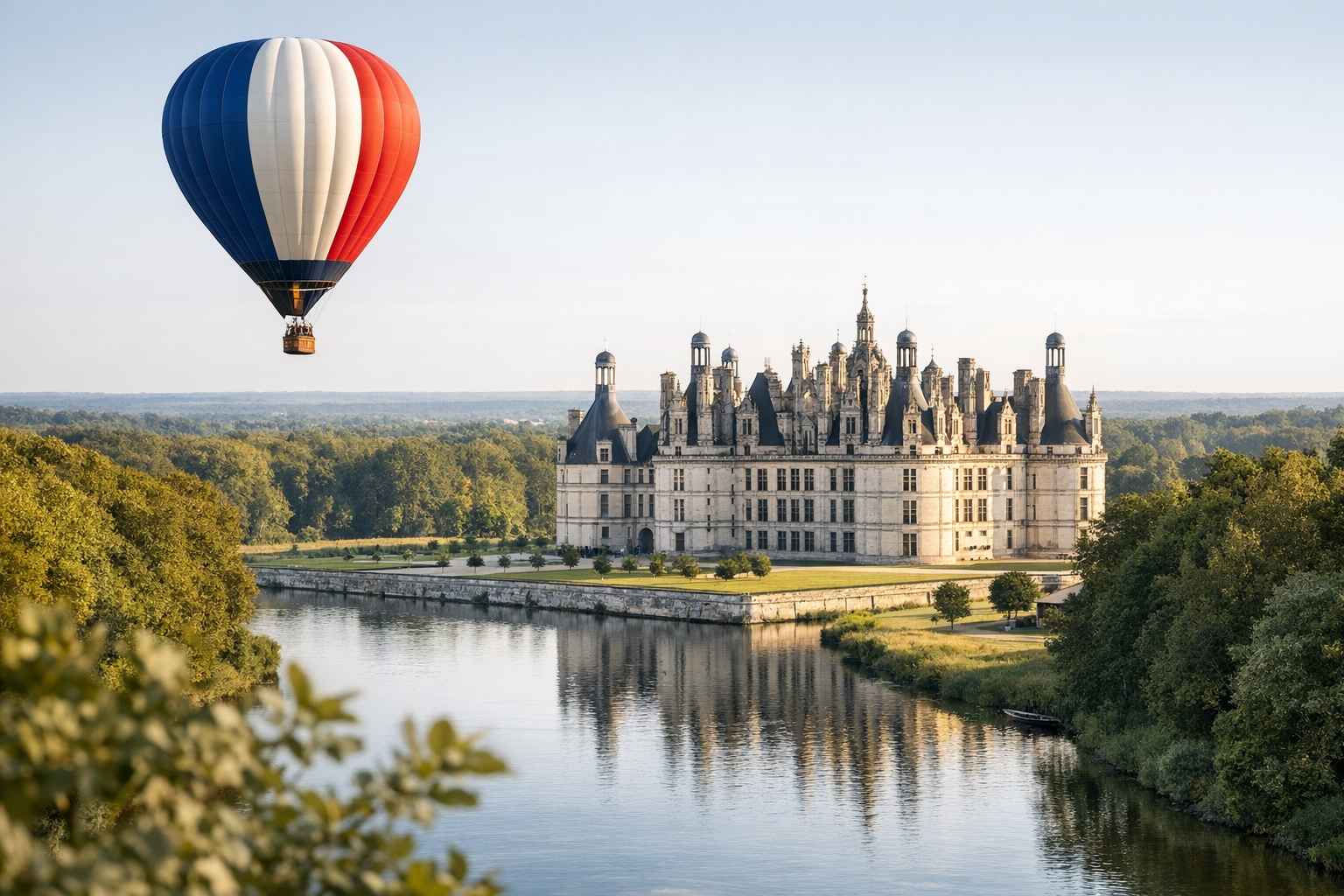
France's Loire Valley is the most romantically charged balloon destination in Europe. A UNESCO World Heritage Site stretching between Tours and Saumur, it encompasses over 300 châteaux, including Chambord, Chenonceau, and Amboise—medieval and Renaissance masterworks that look, from 600 feet above, as though someone arranged them specifically for aerial photography.
Flights cost €200–€280 per person ($215–$300) for a standard one-hour experience. France Montgolfières operates across multiple Loire departure points and charges €229 per person. Air Escargot, based in Burgundy with Loire operations, runs €240–€280. Private baskets for two start around €800. Most operators include a champagne toast; some add a cheese and charcuterie spread, making the post-landing ritual feel genuinely French. Children under 12 fly at 50% discount with the majority of operators.
One logistical advantage Loire Valley holds over most competitors is dual daily launch windows: morning departures at 7:00–9:00 AM catch the soft early light, while late afternoon/evening flights at 5:00–7:00 PM deliver golden-hour illumination across châteaux facades that professional photographers specifically seek out. Evening flights over Chambord—the largest château in the Loire, with its 440 rooms and distinctive double-helix staircase attributed to Leonardo da Vinci—are among the most photographically rewarding experiences in European travel.
Seasons and Scheduling The primary balloon season runs May through September. June and September are ideal: fewer tourists than July and August, pleasant temperatures of 18–25°C (65–77°F), and the vineyard landscape at its most photogenic. The Chambord estate and Château de Chenonceau are mobbed with ground visitors in July and August—seeing them from above during peak season is actually a way to experience their grandeur while avoiding the crowds below.
A practical 2025–2026 update: the European Union's ETIAS (European Travel Information and Authorization System) pre-clearance for non-EU visitors is now operational. Americans, British, Australian, and Canadian travelers must register before arrival for approximately €7 at etias.eu.int. This is not a visa but a mandatory pre-authorization, and it covers the entire Schengen Zone for 90-day tourism stays.
Getting There Paris to Tours by TGV takes approximately one hour and costs €25–€80 booked via SNCF. From Charles de Gaulle Airport to Tours by car on the A10 motorway is roughly 2.5 hours. A rental car from Tours or Blois is strongly recommended for château-hopping flexibility; public transport between smaller Loire communes is infrequent. Budget accommodation in Tours city runs €60–€100 per night; mid-range B&Bs and gîtes range from €100–€180; château hotels such as Domaine des Hauts de Loire or Château de Marçay charge €250–€600.
Plan this trip
Hotels in Things to Do
Top-rated hotels with free cancellation.
Search Hotels →Hotels in Things to Do
Top-rated hotels with free cancellation.
Search Hotels →Vacation Rentals
Entire homes and condos — more space, more privacy.
Browse Rentals →Compare Car Rentals
Compare suppliers — Hertz, Enterprise, Sixt & more.
Find Cars →5. Wadi Rum, Jordan: Ballooning Over the Valley of the Moon
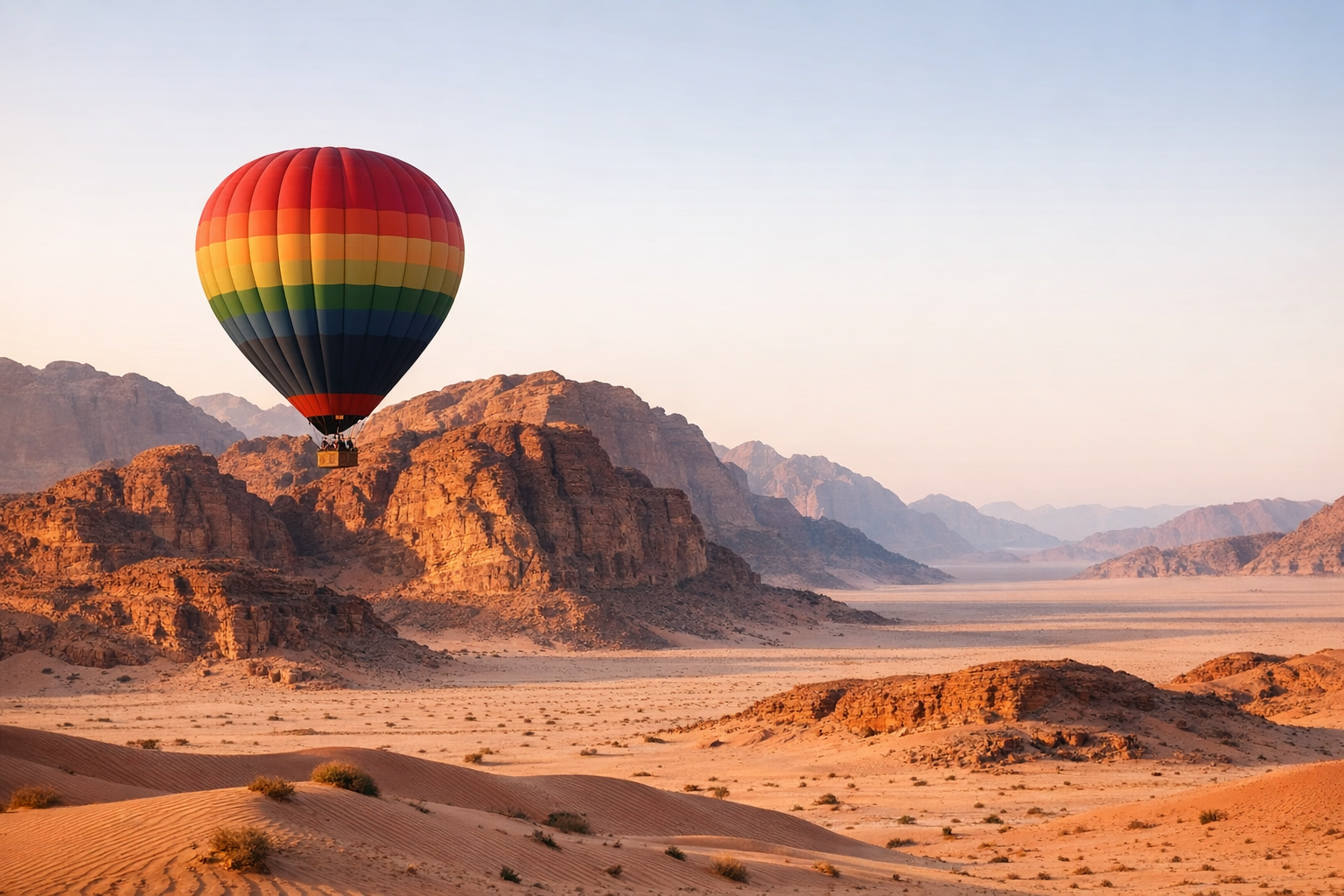
Wadi Rum doesn't need cinematic marketing—it already starred in The Martian, Dune (2021 and 2024), and the original Lawrence of Arabia. The UNESCO-protected desert of rose-red sandstone mountains, ancient Nabataean inscriptions, and dunes sculpted by millennia of wind is genuinely Mars-like in its alien grandeur. A balloon flight over it at sunrise is one of the quietest, most meditative travel experiences in the Middle East.
Wadi Rum Balloon is the primary operator, charging $180–$220 per person for sunrise flights of approximately 45–60 minutes. Private charter baskets run $800–$1,200 for groups. Camp and hotel pickup within the protected area is typically included; champagne toasts vary by package. Compared to Cappadocia and the African safari destinations, Wadi Rum represents strong value for the landscape quality on offer.
Best Seasons March through May and September through November deliver optimal conditions. March and April combine wildflowers, mild temperatures of 18–25°C, and excellent visibility. October and November offer clear post-summer skies with fewer tourists. Avoid June through August if possible: temperatures regularly reach 35–42°C, and some operators suspend operations entirely during peak summer heat or move launch times to extreme early morning to avoid the worst heat.
Winter visits (December through February) are feasible and often beautifully clear, but desert nights can drop below -5°C—come prepared for cold camping if you're staying in traditional Bedouin tents, which are by far the most atmospheric accommodation option in the Rum protected area.
Jordan remains one of the most traveler-friendly countries in the Middle East. The Jordan Pass ($70–$80 depending on duration) covers the Wadi Rum entry fee and Petra admission, making it essential for most itineraries. Most Western nationalities receive visa-on-arrival or can obtain e-visas online. Fly into Aqaba (AQJ) for the most direct access—it's approximately one hour's drive from Wadi Rum. Amman (AMM) is 4–4.5 hours by car or bus.
A Note on Bagan, Myanmar: A Dream Destination Under a Travel Advisory
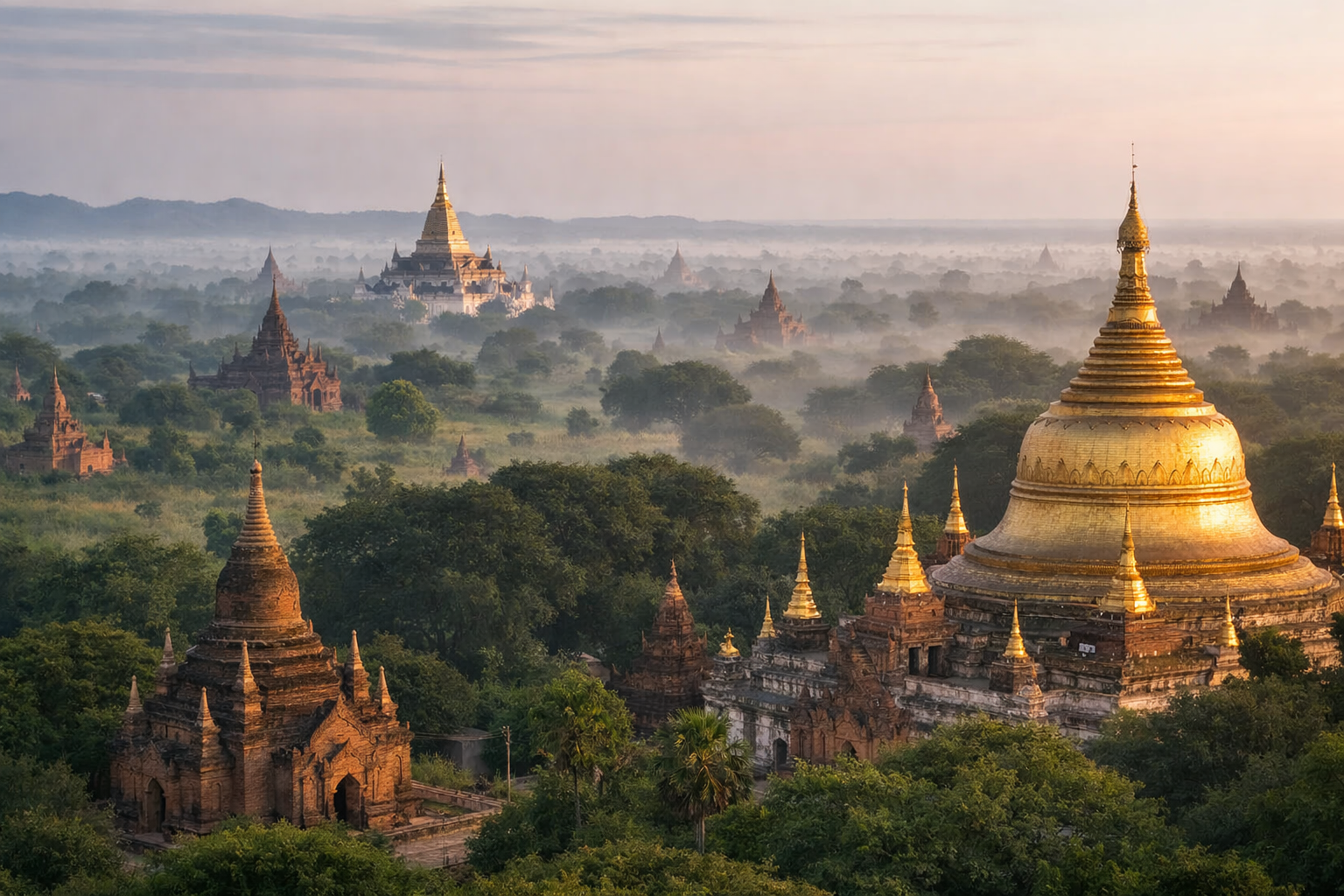
No honest best-of list for hot air balloon rides can omit Bagan without explanation. The plain of over 2,000 ancient Buddhist temples spread across 40 square kilometers in central Myanmar was, before 2021, the finest hot air balloon destination in Southeast Asia. Operators including Balloons Over Bagan flew November-through-February seasons with flights at $380–$450 per person, offering an experience of temple-studded landscape at sunrise that rivaled Cappadocia for sheer visual impact.
The February 2021 military coup fundamentally changed this. As of late 2025, the United States State Department maintains a Level 4 Do Not Travel advisory for Myanmar—the highest possible warning level. The UK's Foreign, Commonwealth & Development Office advises against all travel. Australia's Smartraveller rates it Level 4 as well. Civil conflict, arbitrary detention of foreign nationals, and collapsed infrastructure for emergency medical and consular services make Myanmar genuinely dangerous for international tourists.
Some balloon operators have reportedly resumed limited flights for travelers who visit despite these advisories, but safety oversight is questionable, international insurance policies are void in Level 4 zones, and consular assistance is extremely limited. The recommendation here is straightforward: monitor official government travel advisories for your country, and plan to visit Bagan only when conditions demonstrably improve. The temples have survived 800 years; they will still be there.
Plan this trip
Hotels in Things to Do
Top-rated hotels with free cancellation.
Search Hotels →Hotels in Things to Do
Top-rated hotels with free cancellation.
Search Hotels →Vacation Rentals
Entire homes and condos — more space, more privacy.
Browse Rentals →Compare Car Rentals
Compare suppliers — Hertz, Enterprise, Sixt & more.
Find Cars →How to Book a Hot Air Balloon Ride: Safety, Insurance & Practical Tips
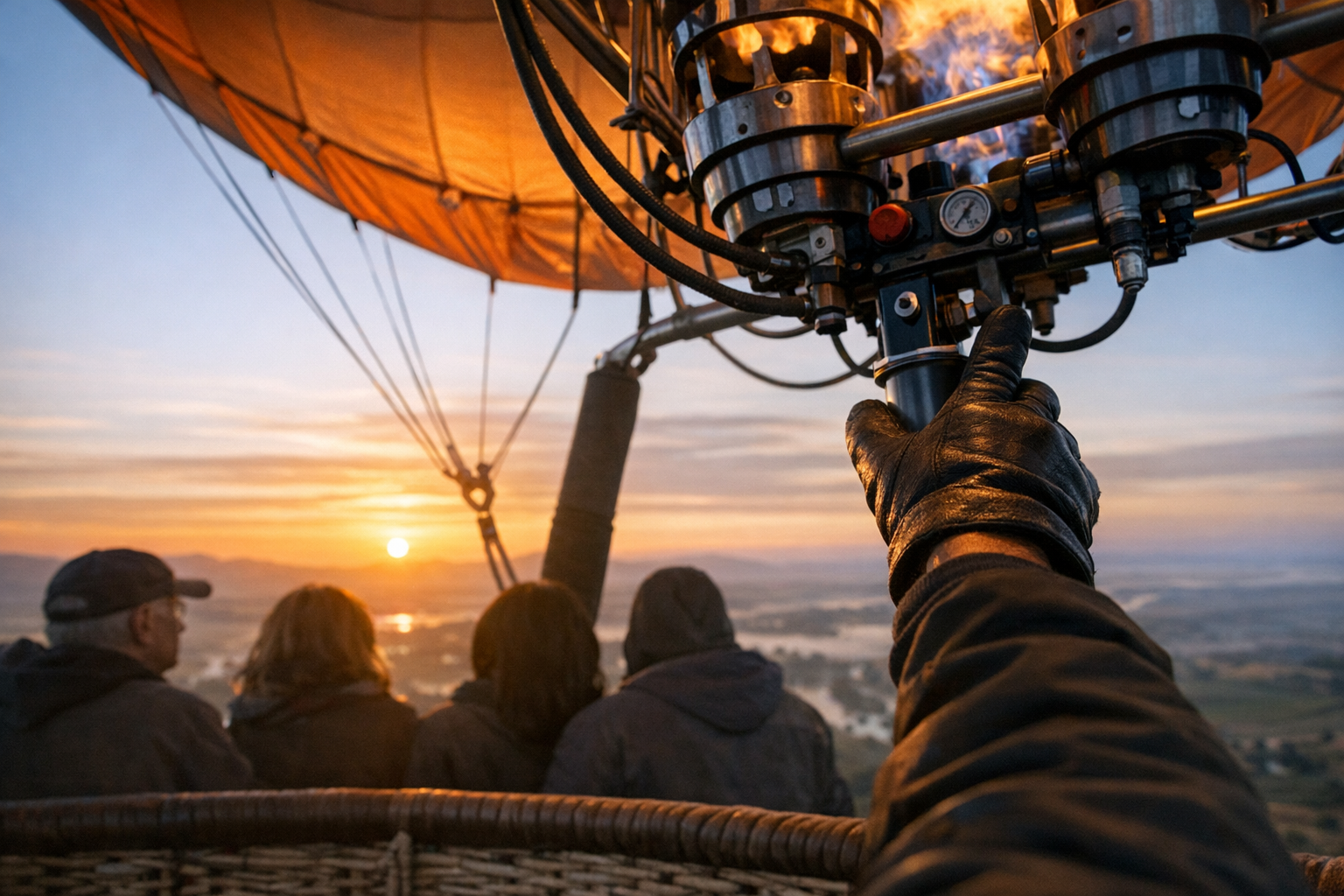
Booking a balloon flight involves more due diligence than booking most other travel experiences, because the risk profile—while statistically very low with reputable operators—is genuine. Here's what every traveler needs to know before paying a deposit.
Verify Regulatory Certification Every country with balloon tourism has a civil aviation authority that licenses operators. In Turkey, look for SHGM certification. In the United States, the FAA requires commercial balloon operators to hold an Air Carrier Certificate. In Kenya and Tanzania, operators should be registered with their respective Civil Aviation Authorities. In France, the DGAC (Direction Générale de l'Aviation Civile) oversees licensing. Always ask operators for their certification number and verify it independently if possible.
Understand Cancellation Policies Balloon flights cancel at significant rates: roughly 30% in Cappadocia, 15–20% in Napa Valley, and higher during East Africa's rainy seasons. Reputable operators will reschedule or offer a full refund for weather cancellations. Read the fine print carefully on third-party booking platforms—some charge non-refundable booking fees that operators themselves would not charge on direct booking. Booking directly with the operator is almost always preferable.
Travel Insurance Standard travel insurance policies cover balloon flights with licensed operators in most countries. Read your policy's adventure sports exclusions carefully—most major policies (Allianz, World Nomads, AXA) cover commercial balloon flights explicitly. If you're traveling to regions with any government travel advisory (any level above Level 1), check whether your policy remains valid. In Level 4 advisory zones like Myanmar, most policies are void.
Physical Requirements All balloon operators impose weight limits (typically 100–120 kg per person) and require passengers to climb in and out of the basket unaided. Basket heights range from 3.5 to 4.5 feet; most passengers need to step up and over. Pregnant travelers and those with recent joint surgeries or severe cardiac conditions should consult their physician and disclose their situation to the operator.
What to Wear and Bring Closed-toe shoes are mandatory with all operators—no sandals or flip-flops. Layering is essential: temperatures at altitude run 5–8°C cooler than on the ground, even in warm destinations. Bring a fully charged camera or smartphone; virtually every operator prohibits monopod/tripod use in baskets for safety reasons. Sunscreen is critical—UV exposure at altitude is more intense than ground level.
For travelers combining balloon experiences with broader international journeys, coordinating flights, ground transfers, and accommodation across multiple countries is where travel planning platforms add genuine value. Our international travel planning resources walk through how to build multi-destination itineraries that connect balloon experiences with the ground transport and accommodation logistics they require.
Frequently Asked Questions
Cappadocia, Turkey is widely considered the world's premier hot air balloon destination, with over 150 balloons launching daily over the UNESCO-recognized volcanic landscape of fairy chimneys and cave churches. September and October offer the most stable flying conditions. Prices range from $180 for standard flights to $500 for luxury boutique experiences.
Costs vary significantly by destination. Napa Valley and Wadi Rum offer flights from $180–$299 per person. Cappadocia ranges from $180–$500 depending on operator and basket type. Africa's Serengeti balloon safaris are the most expensive at $699–$799 per person, though these include a full champagne bush breakfast. Loire Valley flights run €200–€280 ($215–$300).
Commercial hot air ballooning with licensed operators is statistically one of the safer forms of aviation tourism. Reputable operators in all the destinations covered here operate under national civil aviation authority oversight. Key safety steps: always verify the operator's certification (SHGM in Turkey, FAA in the US, DGAC in France), book directly rather than through street touts, and ensure your travel insurance explicitly covers commercial balloon flights.
Book three to six months in advance for April–June and September–November peak seasons. Turkish authorities implemented a daily flight cap of approximately 150 balloons in 2024, making early booking more critical than ever. The September–October window delivers the most reliable flying weather but fills fastest. Expect roughly 30% of flights to be rescheduled or canceled due to wind; reputable operators will reschedule or refund.
Yes. Both the Serengeti (Tanzania) and Maasai Mara (Kenya) offer balloon safari flights over wildlife. Serengeti Balloon Safaris charges $699–$799 per person; Kenya's Governors' Camp Balloon Safaris charges approximately $620. The Great Migration river crossings in the Maasai Mara occur July through September, making this the peak season. Flights include a champagne bush breakfast served in the open savannah after landing.
Wear closed-toe shoes (sandals and flip-flops are prohibited by all operators), and dress in layers—temperatures at balloon altitude run 5–8°C cooler than on the ground regardless of destination. Apply sunscreen before boarding, as UV exposure intensifies at altitude. Leave monopods and tripods at the hotel; most operators prohibit them in baskets for safety reasons. A light jacket is advisable even in warm-weather destinations like Napa and Wadi Rum.
No. As of late 2025 and through 2026, Myanmar carries Level 4 Do Not Travel advisories from the United States, United Kingdom, and Australia following the 2021 military coup and ongoing civil conflict. Most travel insurance policies are void in Level 4 advisory zones. While Bagan was historically one of the world's finest balloon destinations, travelers should monitor official government advisories and wait until conditions demonstrably improve before planning a visit.
Visa requirements vary: Turkey requires an e-Visa ($52 USD at evisa.gov.tr) for most Western nationalities. France and the Loire Valley fall within the Schengen Zone—EU citizens travel freely, while non-EU visitors including Americans and British travelers need to register under the ETIAS pre-authorization system (approximately €7) now operational in 2025. Jordan offers visa-on-arrival or e-visa for most Western passports. Kenya and Tanzania require e-visas obtained before travel. Always check current requirements via your government's official foreign affairs website.
Plan this trip
Hotels in Things to Do
Top-rated hotels with free cancellation.
Search Hotels →Hotels in Things to Do
Top-rated hotels with free cancellation.
Search Hotels →Vacation Rentals
Entire homes and condos — more space, more privacy.
Browse Rentals →Compare Car Rentals
Compare suppliers — Hertz, Enterprise, Sixt & more.
Find Cars →